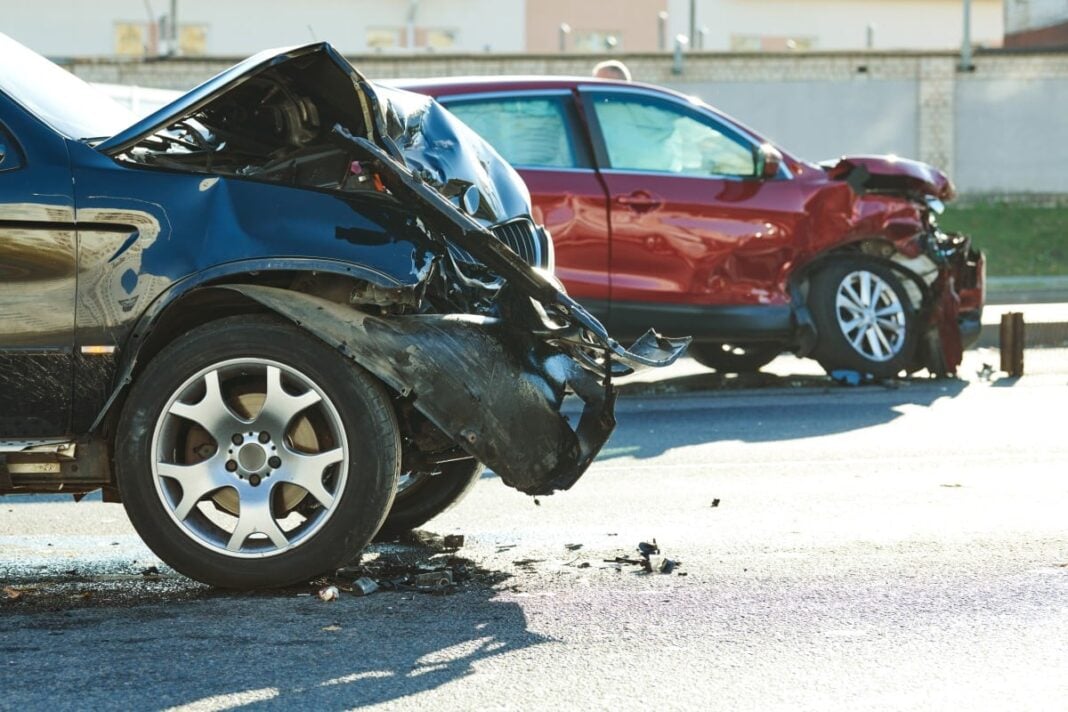

Stay calm. While it can be unsettling, police don’t respond to every car accident. In many parts of the country, officers may not be dispatched if the crash appears to involve only property damage, there are no obvious injuries, or emergency resources are needed elsewhere.
Even without a police report, you can still take important steps to protect your health and your car accident claim.
What Should I Do First?
Your first priority is everyone’s safety. If anyone is injured or you suspect a serious injury, call 911 immediately and request medical assistance. If the vehicles can be moved safely, pull them out of traffic to help prevent another collision. If doing so isn’t safe, turn on your hazard lights and wait for help to arrive.
Remember, not every injury is immediately obvious. Adrenaline can mask pain, so don’t assume everyone is unharmed just because they feel okay at the scene. Also, someone might have serious internal injuries and not know it.
Exchange Information With the Other Driver
If police aren’t coming, it’s even more important to gather accurate information yourself.
Be sure to exchange:
- Names and contact information
- Driver’s license numbers
- Insurance company names and policy numbers
- Vehicle makes, models, and license plate numbers
Keep the conversation polite and stick to the facts. Avoid arguing about who caused the accident or apologizing, as those statements could be misunderstood later.
Document the Accident Scene
Without a police officer documenting the crash, your photos and notes become even more valuable.
Use your phone to take pictures of:
- All vehicles involved
- Vehicle damage from multiple angles
- The overall accident scene
- Skid marks, debris, or damaged property
- Traffic signs, signals, and road conditions
- Weather and lighting conditions
- Any visible injuries
If there were witnesses, ask for their names and contact information before they leave. An independent witness can sometimes help clarify what happened if there’s a dispute later.
Get Medical Attention if You Develop Symptoms
Some injuries don’t appear until hours or even days after a car accident. Whiplash, concussions, back injuries, and other soft tissue injuries often develop gradually.
If you begin experiencing:
- Pain
- Headaches
- Dizziness
- Numbness
- Nausea
Seek medical care right away.
Prompt treatment helps protect both your health and your personal injury claim by creating a clear medical record of your injuries.
Report the Accident if Required
You might be required to report your auto accident, even if the police don’t respond to the scene. Every state has its own laws about when the police must be notified of a car accident. In many states, reporting is required if someone is injured or killed, or if the accident causes property damage that meets a certain threshold.
If you’re unsure whether you’re required to report the accident, check your state’s reporting requirements online.
Do I Still Have Legal Options, Even Without a Police Report?
Yes, many people worry that not having a police report means they can’t file a car accident lawsuit. That’s usually not the case.
Attorney J.J. Dominguez of The Dominguez Firm elaborates. “Photos, witness statements, medical records, vehicle damage, and other evidence can all help establish what happened. If you’ve suffered injuries, speaking with an experienced car accident attorney immediately can help you understand and protect your rights.”
If police don’t respond to your car accident, don’t panic. Focus on staying safe, documenting the scene, exchanging information, and seeking medical attention if needed. The actions you take in the minutes and days after a crash can make a significant difference in protecting both your health and your ability to pursue compensation after an accident.