
A single recordable injury can cost an employer tens of thousands of dollars before the lost-productivity ripple even begins, and most of those incidents trace back to a decision a frontline supervisor made, missed, or waved through, rather than to anything the safety director or the C-suite did or failed to do. The shift lead, the crew foreman, the line supervisor standing five feet from the hazard.
That's an uncomfortable place to point the finger. These are the same people who run production, hit deadlines, and keep the operation moving, and they're the ones your written safety program depends on to happen out on the floor. When the program fails, it usually fails there first.
The Program on Paper Isn't the Program on the Floor
Most companies have a written safety program that reads well. Policies are documented, training records are on file, JSAs are signed. Then a worker gets hurt doing something the policy clearly prohibits, and the investigation turns up a supervisor who saw the shortcut happening and let it slide because the job had to ship.
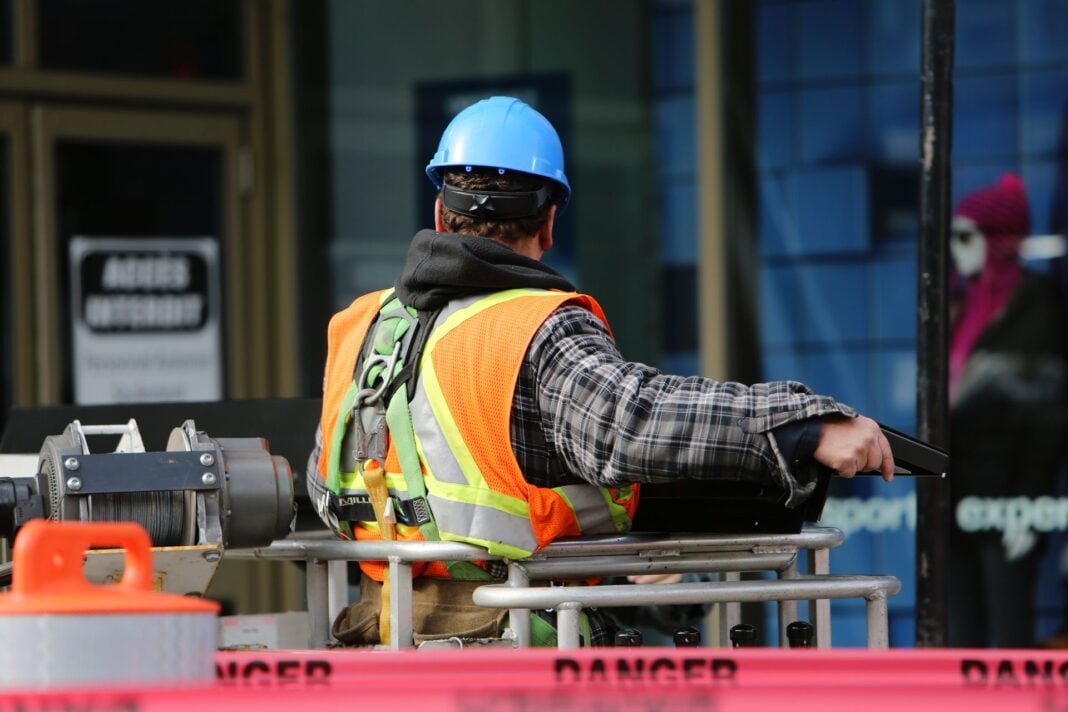
The weak link sits here. Frontline supervisors control the small, daily decisions a safety manual can only describe in general terms: whether a lockout gets verified, whether a guard goes back on before the next run, whether the new hire actually gets walked through the hazard before being told to start. Miss those, and the written program is theater.
The federal standard is blunt about where the duty lives. Under OSHA rules, employees exercising supervisory functions must, within their authority, furnish workplaces free from recognized hazards likely to cause death or serious harm. That obligation doesn't stop at the safety department's door.
Why More Training Alone Won't Fix It
The intuitive response is to schedule more training. Send the supervisors through another course, print new certificates, log the hours. It feels like action, and it rarely moves the needle.
Training matters, but training is an input. Behavior on the floor is the output, and the two are only loosely connected without the pieces in between.
Fix the Role Before You Fix the People
A better starting point is the supervisor's job itself. Most frontline leaders are handed conflicting mandates: hit the number, keep the crew happy, and also own safety. When those goals collide, safety loses, because the other two get measured every day and safety only gets measured after something goes wrong.
A few structural moves change the math. Put safety on the same scorecard as production, so a supervisor's weekly numbers include leading indicators like near-miss reports closed, pre-task briefings held, and corrective actions completed on time. Give supervisors real authority to stop work without having to justify it up three levels afterward. And staff the crew so that walking the floor, coaching a worker, or pausing a task isn't stealing from the production clock.
Train Supervisors for the Job They Actually Do
Once the role is set up to succeed, training can carry its weight. The point is to build the specific competencies a supervisor uses every shift: recognizing hazards on their own equipment, running a credible pre-task briefing, coaching a worker without turning it into a fight, and knowing exactly when to escalate.
General-industry programs like the OSHA 30-Hour course are built for this level of responsibility, going deeper than the awareness-only OSHA 10 and covering the hazard recognition, standards knowledge, and program elements supervisors are expected to apply. Pair that foundation with job-specific instruction on the equipment and processes your crews actually run, plus refresher coaching that happens in weeks and months, not years.
Some sectors have this hard-wired already. CPWR research on construction leadership shows that a strong jobsite safety climate depends on frontline leaders who model the behavior rather than merely enforce it. That lesson holds outside construction too. Every crew watches the person closest to them and mirrors what that person does.
What Changes When You Get This Right
A supervisor who is trained, backed, and measured on the right things stops being the weak link and becomes the strongest one. Hazards get flagged before they hurt someone. Corrective actions close. New hires get the ten-minute conversation that keeps them out of the ER during their first 90 days, which is when they are most likely to be injured.
None of this is glamorous. It's calendar discipline, honest scorecards, and giving the person on the floor authority to match the responsibility you've already assigned them. Do that, and the written safety program finally starts matching the one your workers live inside every shift.