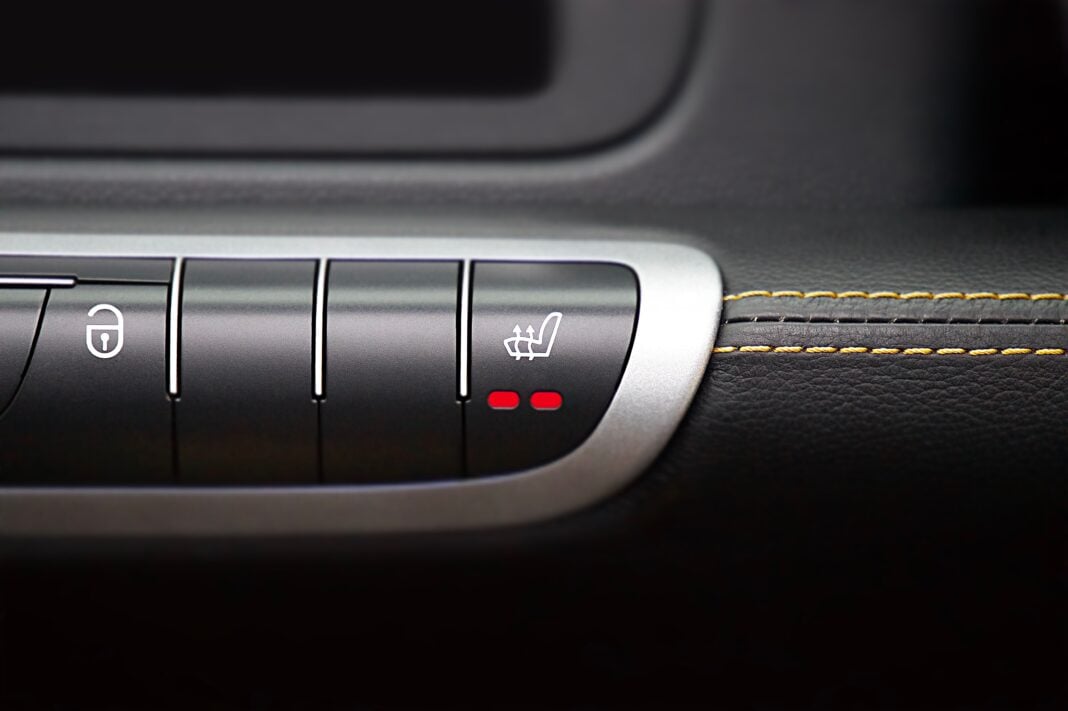

Long-distance driving places rigorous demands on the human body. Spending continuous hours behind the wheel of a commercial truck requires immense focus, proper posture, and constant physical endurance. While cab climate control systems have long provided general cabin heating, standard ambient air often fails to address the localized stiffness and muscle tension that accumulate in a driver’s back and thighs.
Advanced heated truck seat technology has emerged as a essential upgrade in commercial vehicle design, transforming the daily cabin experience by delivering targeted thermal relief, promoting physical well-being, and optimizing driver performance. Long-haul drivers operating in sub-zero winter temperatures rely on climate control heated truck seats to maintain core warmth and reduce lower back stiffness during long shifts.
Therapeutic Physical Benefits During Extended Shifts
The physical toll of long-haul transportation often manifests as lower back pain, tight shoulders, and restricted leg circulation. Continuous exposure to low-frequency road vibration exacerbates muscle fatigue over time. Heated seat technology functions much like dynamic thermotherapy, applying constant, gentle warmth directly to tight muscle groups and joint structures.
Applying direct heat dilates blood vessels, expanding local vascular pathways and stimulating blood flow through the lower back and legs. Enhanced circulation helps deliver oxygen-rich blood to overworked tissues while flushing out accumulated metabolic waste products like lactic acid. As a result, drivers experience less stiffness in their hips and lumbar spine, enabling smoother movement during loading activities and reducing long-term musculoskeletal strain. For operators managing chronic joint discomfort or mild sciatica, seat heating offers continuous, non-invasive therapeutic relief throughout every mile.
Enhancing Alertness and Focus on the Road
Driver alertness remains the core pillar of road safety. Maintaining high concentration levels becomes challenging when physical discomfort or harsh cabin temperatures set in. Cold steering environments force muscles to contract involuntarily, leading to premature physical exhaustion and reduced reaction speed.
Integrating direct heat into the driver’s seat creates an environment conducive to sustained focus. By keeping the core body temperature stable, heated seats prevent the drowsiness associated with running heavy cabin heaters on full blast. Blast heaters can dry out cabin air and create a stuffy atmosphere that induces lethargy. Direct contact heat warms the driver efficiently while allowing the surrounding cabin air to remain fresh and cool, striking an ideal operational balance that preserves mental sharpness.
Integrating Thermal Control with Advanced Ergonomics
Heated seat functionality reaches its full potential when paired with modern ergonomic seating architecture. Today’s commercial seating systems merge thermal elements with multi-chamber air lumbar supports, adjustable side bolsters, memory foam padding, and air-suspension bases designed to absorb road shock.
When proper lumbar alignment is paired with gentle surface heat, the lower back retains its natural curvature without tensing up. The heated surface relaxes deep muscle tissues, allowing them to conform more naturally to the contoured foam padding of the seat. Furthermore, many premium seating systems now combine heating elements with integrated active ventilation. Dual-mode climate-controlled seats allow drivers to alternate between heat therapy in crisp morning conditions and cooling airflow during hot afternoon routes, providing true year-round microclimate customization.
Operational Efficiency and Fleet Productivity
Beyond individual driver wellness, investing in advanced heated seating technology delivers tangible operational advantages for fleet managers and owner-operators. In cold weather conditions, idling a heavy diesel engine solely to heat an entire cab consumes significant amounts of fuel. Heated seat elements consume small amounts of electrical energy while warming the driver directly, reducing the need for excessive cabin heating during short rest breaks or warm-up periods.
From a human resources perspective, driver comfort directly correlates with job satisfaction, productivity, and driver retention rates. Chronic back pain and driving fatigue are primary contributors to missed work days and early career departures among commercial operators. Providing equipment that actively protects driver health minimizes fatigue-induced errors, supports overall job satisfaction, and helps fleets retain experienced talent.
Conclusion
Advanced heated truck seat technology represents a meaningful leap forward in commercial vehicle ergonomics and driver care. By delivering targeted thermotherapy directly to vital muscle groups, these systems relieve physical stiffness, improve blood circulation, and maintain driver concentration over long distances. As commercial transportation continues to emphasize safety, ergonomics, and driver retention, climate-controlled seating stands out as an essential feature that turns demanding long-haul routes into healthier, more comfortable, and highly productive journeys.