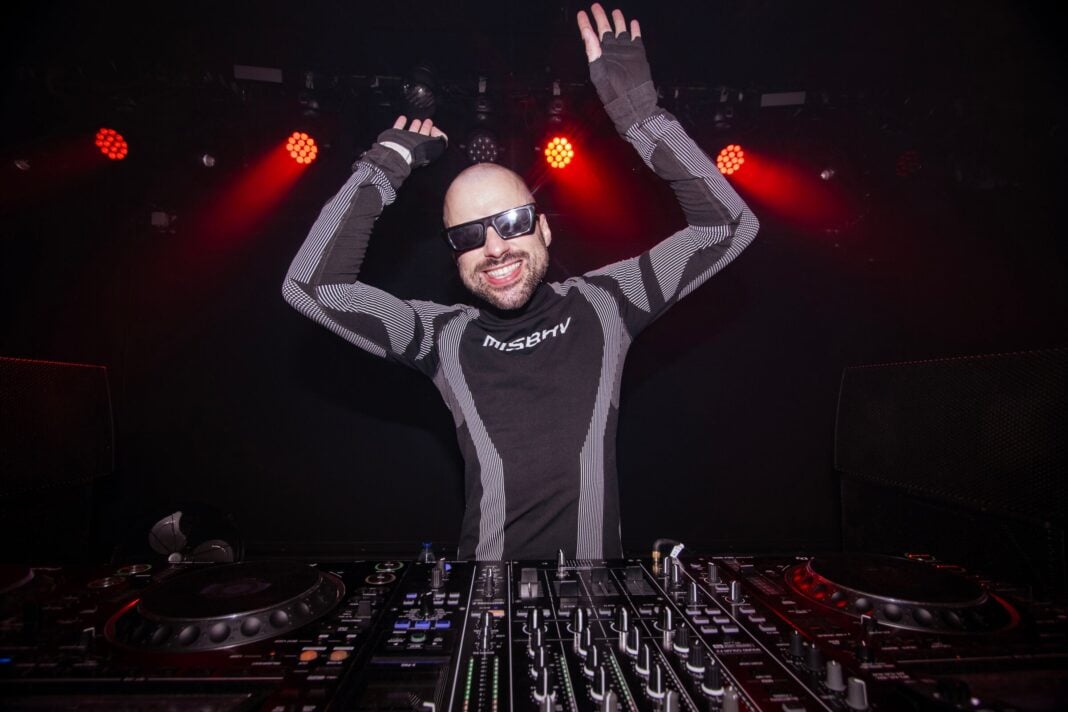

A German clothing entrepreneur signed for a second-hand fishing boat in May 2019. He had no intention of sailing it, and no intention of keeping it.
The buyer was Benjamin Hartmann. The boat was for Mission Lifeline, the Dresden charity that had watched its previous vessel get impounded the year before and had run into a problem no amount of fundraising solves: European authorities were unlikely to let the charity, or the captain who would sail for it, register a rescue ship in their own names. A man who sold t-shirts could register one. So he did.
Twenty-one metres, room for roughly 150 people, medical equipment and satellite communications fitted during a conversion that Hartmann and the charity paid for between them. They called it Eleonore. Axel Steier of Mission Lifeline summarised the climate it was bought into: the authorities, he said, do everything to disturb them, to prevent ships from setting sail.
104 people, and nowhere to put them
Eleonore sailed for the Libyan coast at the end of August 2019 with ten crew, under Claus-Peter Reisch, then 58. The Alarm Phone initiative passed across a position. What the crew found was a rubber dinghy already going down, and they took 104 people off it. Reisch used four words for the timing: buchstäblich in letzter Sekunde. Literally at the last second.
Getting them out of the water turned out to be the easy half. Italy refused the ship a port. Malta refused the ship a port. Eleonore sat offshore for days, overloaded, taking supplies by sea. When thunderstorms came through in early September, Reisch declared an emergency and ran for Pozzallo in Sicily against the direct instruction of Italy’s interior minister, Matteo Salvini. The 104 walked ashore. Italian police impounded the ship.
Hartmann was not aboard for any of it, and he has been unusually willing to say why. Speaking to the German LGBTQ+ title männer*, in remarks translated from the original German:
“I don’t want to expose myself to images that are difficult to process. During rescue missions, it’s possible not everyone in distress can be saved, and you must watch people and children drown.”
Most founders would have taken the photograph on the deck.
The label, and the summer it cost him
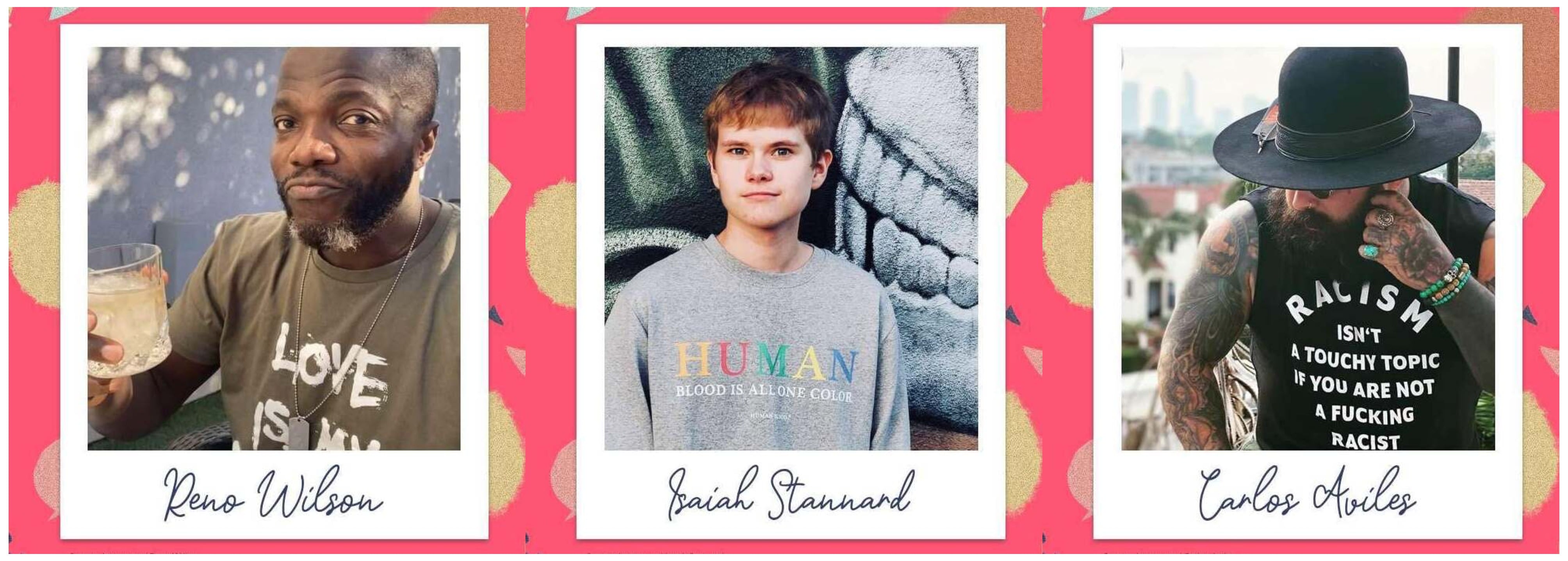
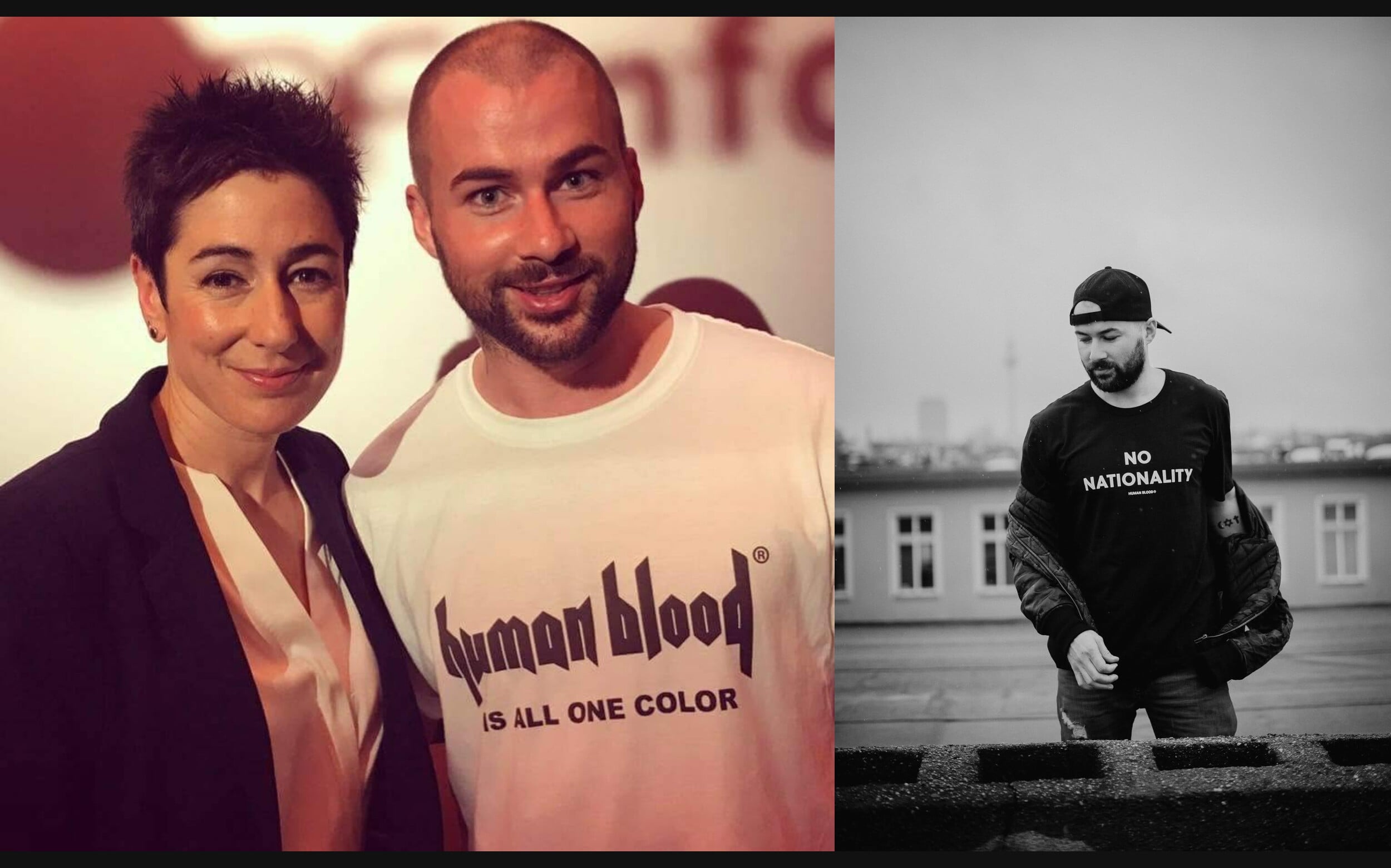
Hartmann founded HUMAN BLOOD in 2014 on a single sentence: human blood is all one colour. It sold clothes with an anti-racism message on them, and it sold enough of them that people whose endorsement carries weight in Germany wore them in public, among them the actor Jan-Josef Liefers, the broadcaster Dunja Hayali and the musician Clueso. It travelled further than that. Reno Wilson, Isaiah Stannard and Carlos Aviles, three of the cast of the NBC series Good Girls, each posted themselves wearing it. One product line existed purely to route its proceeds to sea rescue. The label has since stopped trading.
On 9 July 2019, six weeks after signing for the boat, Hartmann ended a commercial collaboration with the German gift company Sheepworld. Its founder, Tobias Hiltl, had been posting attacks on refugees to Facebook, and had called the Sea-Watch 3 captain Carola Rackete a Schlepperin und Menschenhändlerin: a smuggler and a human trafficker. Sheepworld AG issued a statement distancing itself from its own founder, on the grounds that he had spoken as a private individual. Hartmann did not wait to find out whether that would hold.
“Das passt gar nicht zu uns, das geht gar nicht.”
This does not fit us at all. That does not work. He killed the partnership and announced that every euro it had earned would go to sea rescue. His label called the split expensive and said its values mattered more, which is the sort of line most companies get to deliver without ever having the first half tested.
The other job
Between the clothing and the software there is a third career that explains more about the fourth than it looks like it should. Hartmann plays clubs as BEN ANN, in circuit house, and as TOCABEN, in afro and tech house and melodic and progressive techno. He is openly gay, and the rooms he has spent years working are the rooms his users are going out in.
That matters because the app he is now building is full of decisions that only make sense to somebody who has watched a night go wrong from the booth.
What he is building now
Hartmann’s current company is RAWR, a dating and meetup app for gay and queer men, operated out of Amsterdam by BM International Holding B.V. His argument for it is blunt. An app that knows where you are, who you are talking to and what you look like undressed is holding more on you than most banks do, and the category has spent the better part of two decades treating that as an asset to be monetised rather than a liability to be held carefully.
The name is a demonstration of the point. It was RAW, until a different dating app of that name left users’ location data and personal information, including their sexual preferences, exposed on an unsecured server. TechCrunch reported it in May 2025. Hartmann added an R rather than spend the next five years explaining that it was not him.
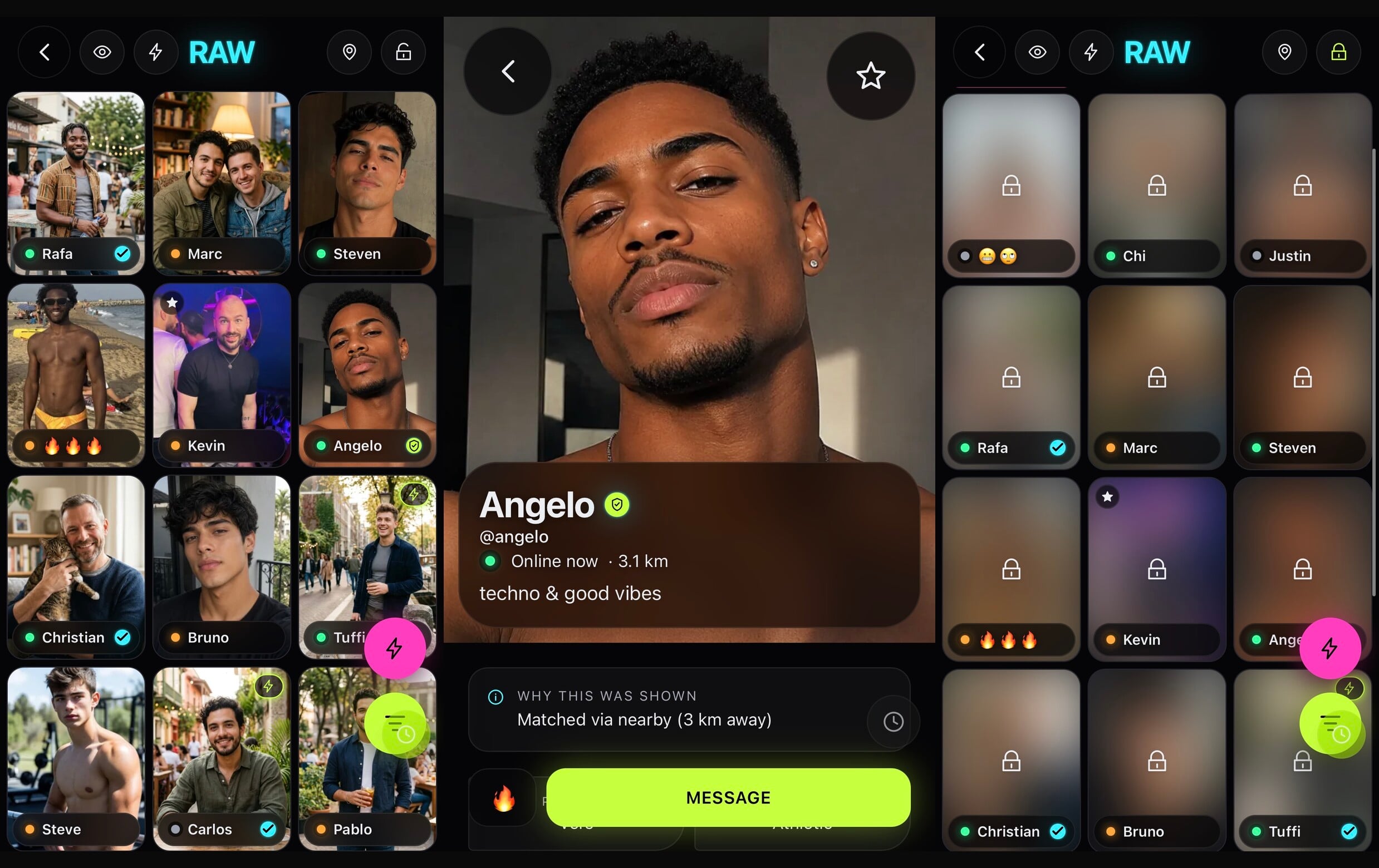
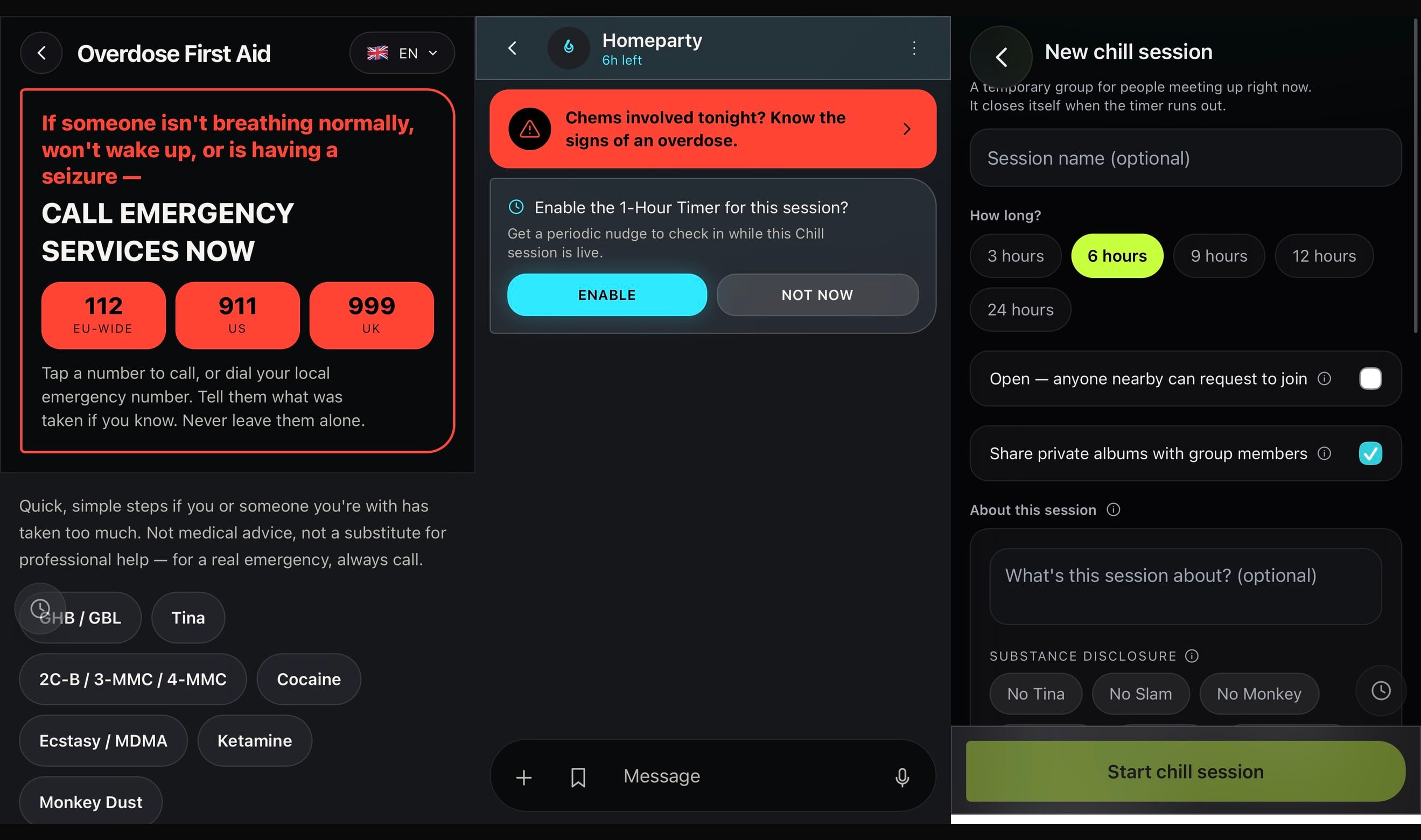
What the argument turns into is a list of small decisions. Age is checked at signup by a live selfie run through the verification provider Didit, whose age-verification system Germany’s FSM expert commission certified on 29 June 2026 under the country’s youth-media-protection treaty; the selfie is never shown on a profile. Servers sit in Germany under GDPR, with the EU Digital Services Act designed in rather than retrofitted. Users can switch on end-to-end encryption, revoke access to a private album after they have already shared it, and put a timer on a group meetup so that it closes itself rather than lingering as a permanent record of who was in the room.
Two features are worth pulling out, because no growth team would have argued for either. Users can declare a substance status, and the app carries an overdose first-aid screen with emergency numbers on it. Neither will show up in a retention chart. Both exist for a night somebody needs them, which is the sort of thing you build after standing behind a pair of decks watching one.
Alongside the app sits the RAWR Community Fund, which takes 5 to 10 per cent of net revenue from paid subscriptions and spends it on housing deposits, rent, furniture, laptops, transport and kitchen basics for queer people in crisis. It pays landlords and shops rather than handing anyone cash, and it rules out spending a euro of it on marketing, salaries or offices. Hartmann intends to move the fund into an independent Dutch foundation with tax-deductible status once a year of published accounts sits behind it.
It is a percentage of a revenue that does not exist yet, which is the obvious objection and one he has heard. His answer is the same one he gave in 2019: values you apply only when they suit you are marketing. He funds the company himself, and says he turned down small friends-and-family money to keep the later rounds clean, a decision that has cost him months and which he defends anyway.
There is a reading of all this in which a founder assembles a personal brand out of good causes. The dates make it difficult. Across one summer in 2019 Hartmann bought a boat he could not sail, walked away from a paying commercial partner, and gave away everything that partner had earned him, while running a clothing company that needed the money. None of it launched a product. None of it was announced as a campaign.
Seven years on he is writing software for a community the large platforms have sold engagement metrics to and called it a service. He gives his own job title as founder, DJ, human. On the record he has, that is a reasonable thing to bet on.
Benjamin Hartmann is the founder of RAWR, a dating and meetup app for gay and queer men operated by BM International Holding B.V., Amsterdam. He founded the anti-racism clothing label HUMAN BLOOD in 2014 and, in 2019, purchased the vessel that became the Mission Lifeline rescue ship Eleonore. He performs as BEN ANN and TOCABEN. Photograph of Benjamin Hartmann by Nacho Juárez, Barcelona.
This article was prepared from information supplied by Benjamin Hartmann.
rawr.dating · rawr.dating/fund · benann.com · tocaben.com · @rawr_dating