
The framework of commercial production is undergoing a distinct structural shift in 2026. Across the industry, the role of the producer is transitioning away from traditional standalone project management toward a more integrated, strategic and creative partnership.
In its most standard industry definition, a film producer is the chief executive of a production, responsible for shepherding a project through its entire lifecycle; from initial development and creative refinement to budgeting, crew management, on-set oversight and final delivery. They serve as the foundational bridge between business and art, balancing the financial realities of a project with its creative execution.
With platform proliferation, compressed timelines and an explosion of multi-platform deliverables, producers are no longer just managing budgets; they are acting as systems designers who must solve complex narrative and structural problems on tight deadlines. This changing landscape is seeing a new crop of industry leaders who understand how to align physical production workflows directly with a brand’s creative strategy to protect the core human elements of storytelling.
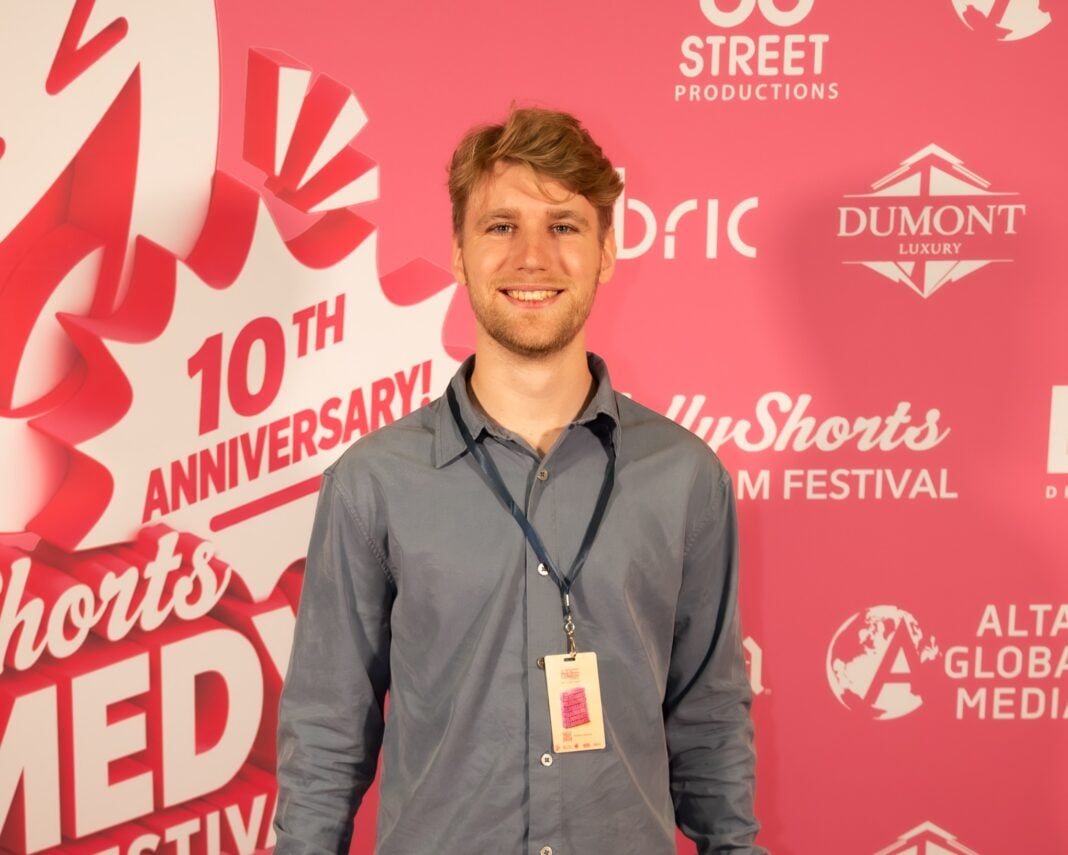
For Ukrainian-born producer, production manager, and line producer Andrii Svistunov, navigating this exact tension between rigid efficiency and creative freedom has become the baseline of his career. Holding degrees from both the University of Southern California’s School of Cinematic Arts and the American Film Institute (AFI) Conservatory, Svistunov operates directly within this intersection. Working across corporate ad campaigns and independent narrative films, his role centers on maintaining the artistic intent of a project while managing large-scale physical production.
The Fast-Paced Landscape of Ukrainian Commercials
Svistunov’s approach to production logistics was formed in the fast-moving freelance market of Ukraine, where short turnaround times required immediate operational decisions.
“My producing career in Ukraine took off rapidly because of a freelance ecosystem that allowed me to bid on commercial projects and receive a green light within 24 hours,” Svistunov says. “I adopted a very aggressive approach to winning contracts that proved to be very successful; I had an array of package deals that worked for 90% of the projects which I submitted on minute notice.”
This fast-paced operational approach allowed him to rapidly build a footprint across diverse sectors, coordinating productions for major political, civic, and commercial entities before shifting his focus abroad.
“This way I got a chance to produce projects for the largest consumer coal retailer in the country ‘Weekend’, the European Party of Ukraine, the Ukrainian Lifeguard Association, and many more,” Svistunov notes. “The portfolio I assembled during those fruitful years opened many doors in LA and allowed me to transition to American productions, seamlessly.”
Managing Scope: The Yorvipath and Grand Canyon University Campaigns
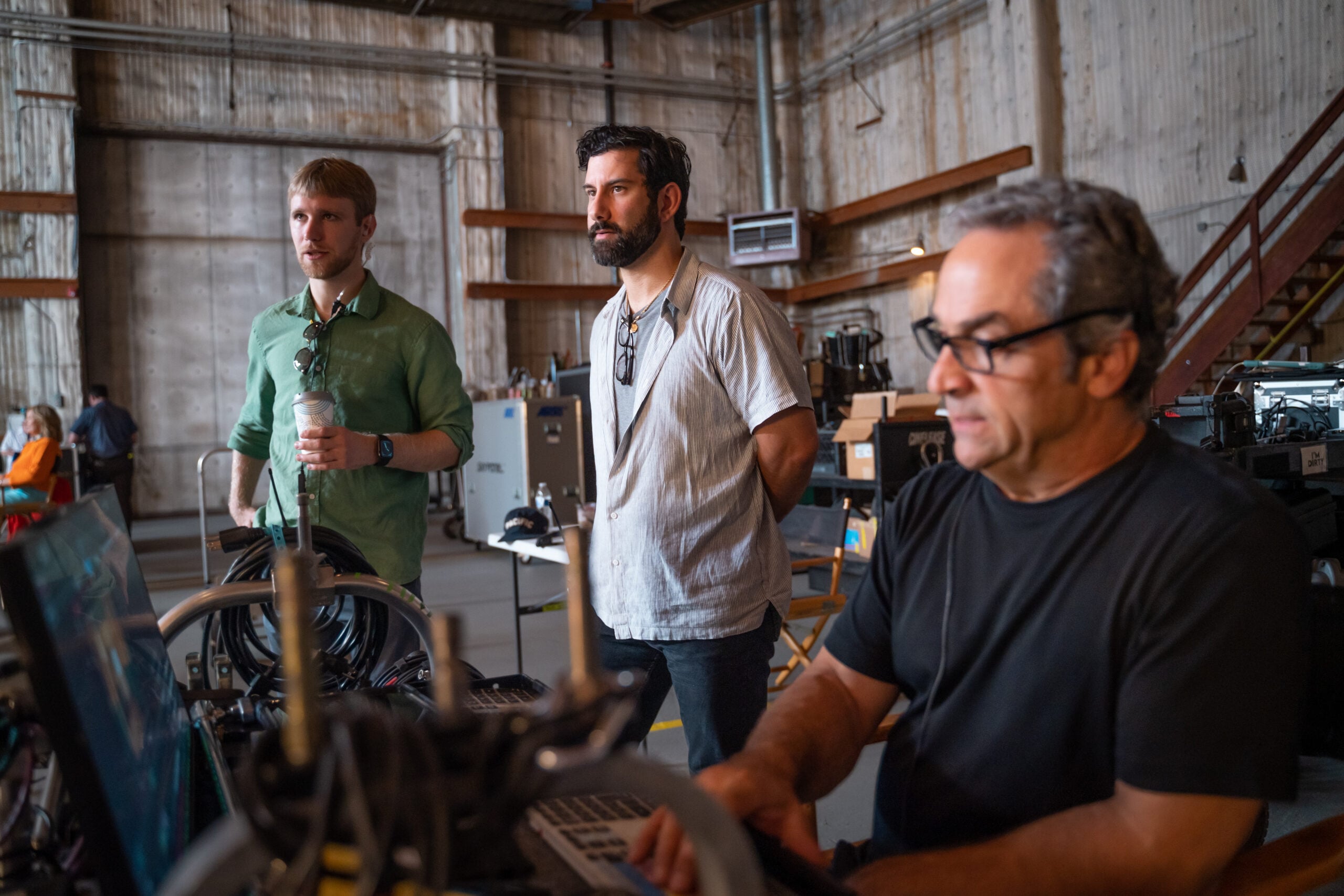
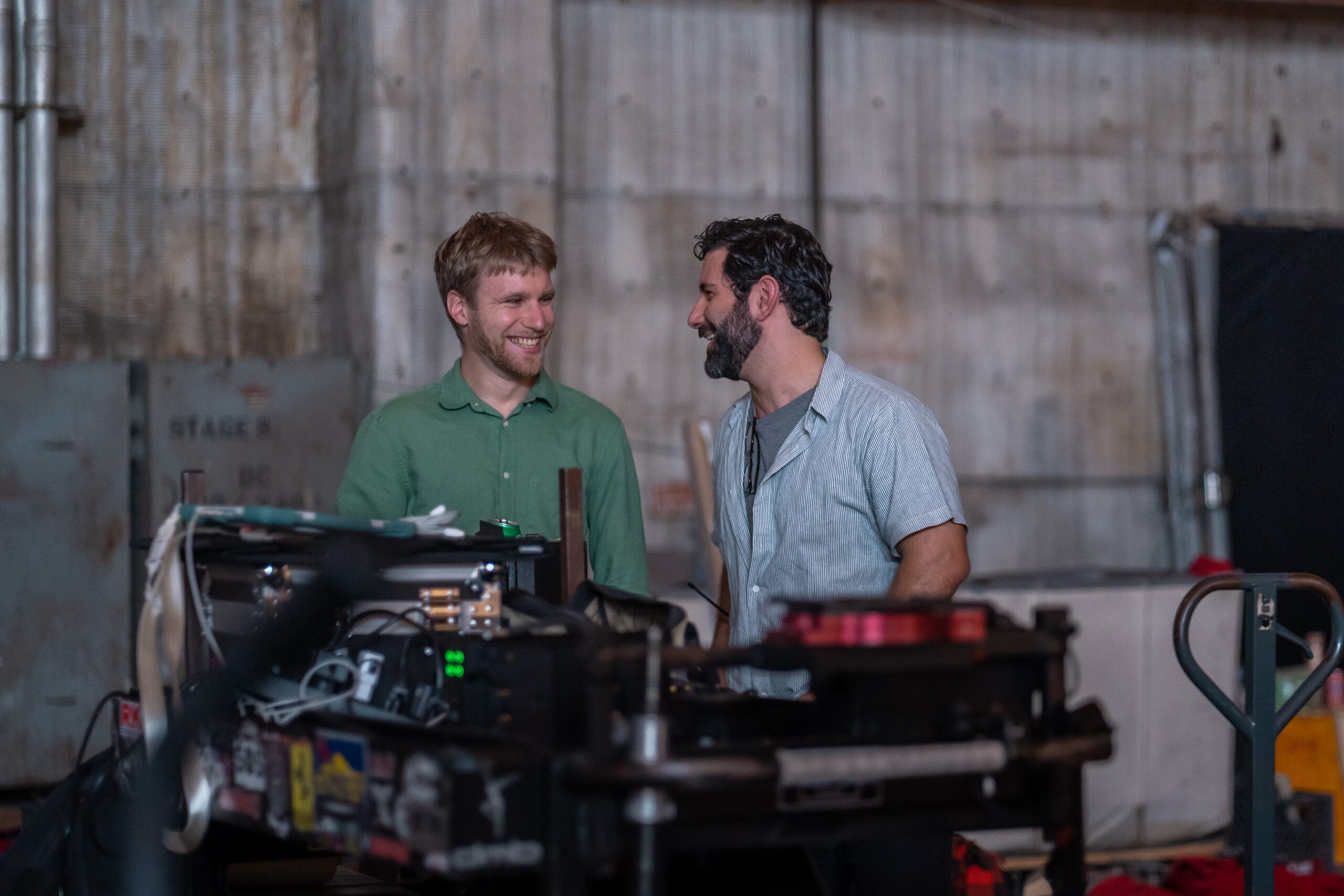
The operational demands of large-scale ad campaigns require extensive infrastructure and quick problem-solving. For the Yorvipath (Ascendis Pharma) campaign, production took place at the historic Lot at Formosa in West Hollywood. The project involved constructing large, stylized sets—including a replica grocery store aisle, a pre-school hallway, and an outdoor cafeteria—all captured utilizing complex camera motion control systems.
“Our philosophy for that project was centered around creative control; handpicked colors, layouts, and camera movements,” said Svistunov. “I partnered with the historic Lot at Formosa, where the best artists of Hollywood created masterpieces for over a century, to have our shoot at one of their stages. This production was a well-oiled machine where the art team built a gigantic, stylized grocery store aisle, a pre-school hallway, and an outdoor cafeteria. We captured it using the state-of-the-art camera motion control systems.”
Svistunov views the producer’s primary responsibility on set as logistical foresight; anticipating bottlenecks so the creative team can work without technical delays.
“As a producer, working on productions of this scale, I have to trust my team and, most importantly, make sure there’s nothing in the way of their creativity,” he explains. “I have to think ahead and predict how to make my team feel empowered and supported. I am beyond proud to say that this approach paid off, and we continued our partnership with the brand.”
This emphasis on adaptability was evident during a campaign for Grand Canyon University, a project that went on to accumulate over 150 million digital and broadcast impressions.
“What makes a shoot like GCU successful is both meticulous planning and adaptability,” Svistunov states. “The shot list was long and the shooting schedule was very dense, so I had to ensure that each department knows exactly what elements are at play in every scene. Also, one scene was added during the shoot and it required set decoration that was not available in Phoenix, so I had to arrange its delivery from Los Angeles on a moment’s notice for the following day.”
Location Scouting and Logistical Hurdles
Commercial work often relies on finding specific environments to anchor a brand’s identity. For a Scout Motors commercial titled “A Short History of America,” the creative brief required a landscape that felt rugged and historical.
“The most rewarding project of my career was making a film for Scout Motors, a legacy brand in operation since the 1960s, called ‘A Short History of America,’” said Svistunov. “As you know, this brand carries a lot of sentimental value to many Americans, including the crew members I hired for the shoot. It is the most rewarding feeling to have your team fully aligned on the creative vision and statement of the spot. The shared feelings of pride to work for such a prominent company translated perfectly into the live-action section of the commercial that we made.”
To capture the emotional weight of a father and daughter traveling in their vehicle, the geography of the shoot became paramount.
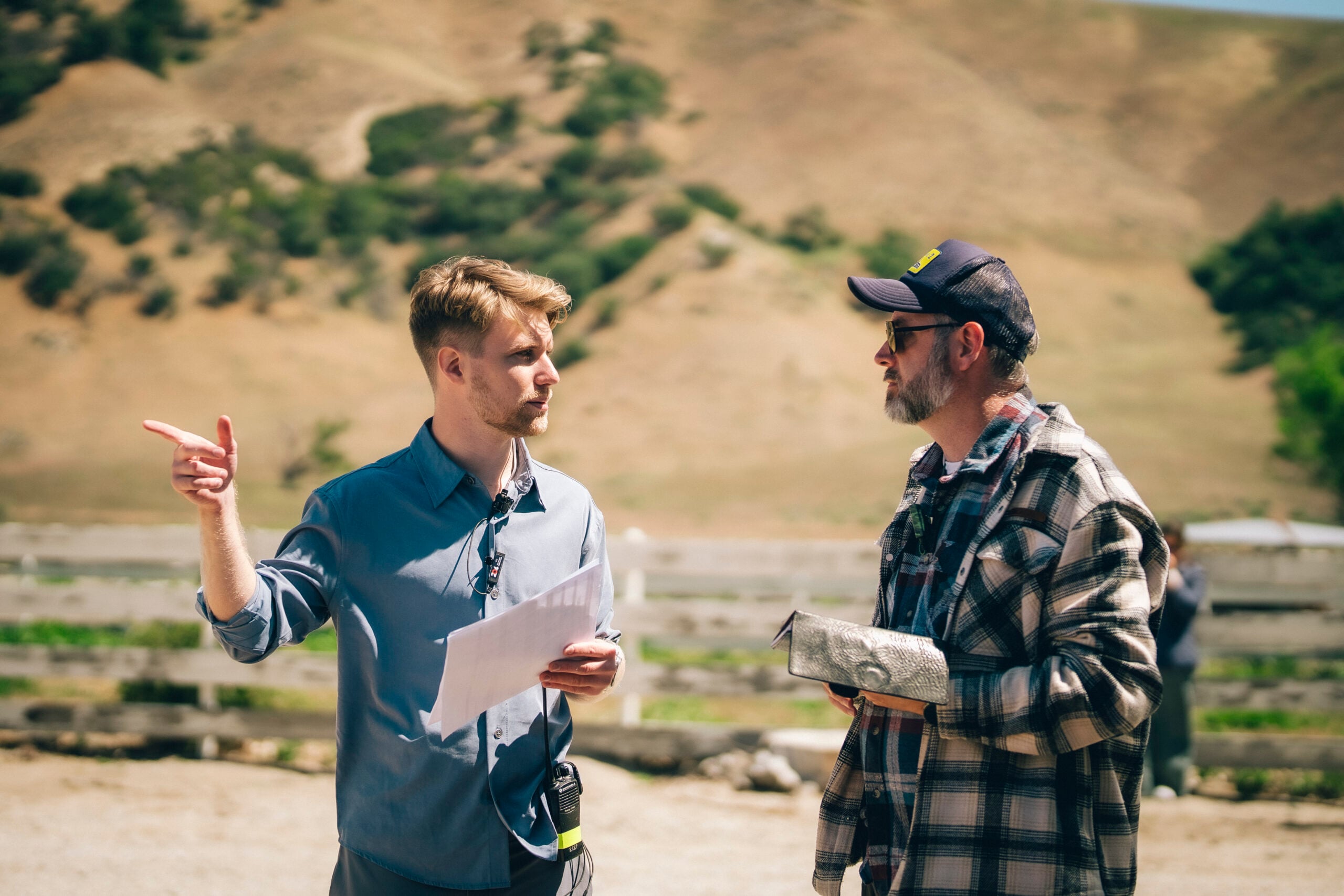
“Everyone on the creative team knew that the location would be the most important element of the shoot; it had to feel like a new adventure to be conquered for the dad and daughter traveling in their Scout Traveler,” he said. “Together with an incredible location scout Jeff Clark, we went from Joshua Tree to Bakersfield looking for the perfect spot, until we found Tejon Ranch. It is the largest privately owned land in California with pristine nature and rich history. Of course, shooting in a location so far from the nearest city presents its own production challenges, but it was all worth it.”
Logistical planning was similarly tested during a Washington Trust Bank campaign featuring Major League Baseball player Cal Raleigh. The concept integrated sports elements and practical stunts into a banking advertisement.
“This campaign is a great example of how top-tier marketing and flawless execution can get people excited about advertised products,” Svistunov notes. “Nobody thinks about baseball when talking about banking experience, but this campaign does just that. The most memorable part of this project for me was supervising the wardrobe for Cal Raleigh. We wanted it to be the best of the best, so I partnered with vendors from 4 states to work on 3 unique sets of branded uniforms.”
Managing the campaign meant dealing with unexpected nationwide weather patterns that threatened the production timeline. “That was right during heavy storms across the country, so overnight shipments took longer than a week; and this is also something a producer must predict,” Svistunov says. “The art department gave their absolute best in preparing the practical stunts that add to the comedy of the spot. Last but not least, this spot features a superb cast.”
Bridges in Production Disciplines
Within the film industry, the creative responsibilities of a producer are frequently separated from the financial and logistical oversight managed by line producers and production managers. Svistunov’s training allows him to operate across both fields, serving as a functional link between a director’s vision and the realities of a budget.
Alongside his commercial portfolio, which includes navigating compliance for FDA-approved pharmaceutical treatments, Svistunov continues to work in independent narrative film. His short films have screened at regional festivals including the AFI Film Festival and HollyShorts, and he is currently developing a narrative feature, Black Oranges, supported by a development grant from the Foundation for Democracy and Liberal Values.
Ultimately, balancing the scale of modern advertising with artistic integrity requires a producer to actively build an environment where the on-set talent can thrive through structural planning. As Svistunov explains his approach to managing massive operational demands:
“A shoot like this goes smooth only when the producer and their team put extra effort in pre-production to have a bulletproof plan,” he said.
Photos courtesy of Juan Ramirez, Max Konotopets and Jedidiah Woods.