
Over 80% of coating failures on concrete floors are caused by poor surface preparation. When coatings peel, bubble or delaminate, the problem is rarely the product but the surface beneath it.
For most prep jobs, concrete installation and maintenance experts at Intermountain Concrete Specialties say contractors use one of two power tools: a concrete grinder or a scarifier. Both are designed to prepare concrete for coatings, but they work very differently. Choosing the wrong machine can ruin tooling, waste hours on the job, or, worse, cause complete coating adhesion failure.
This guide breaks down the differences between the two machines, including how they work, their pros and cons and the situations where each tool performs best.
What is the mechanical difference between how a concrete grinder and a scarifier operate?
When comparing a concrete grinder versus a scarifier, the mechanical difference comes down to how each machine removes material from the surface.
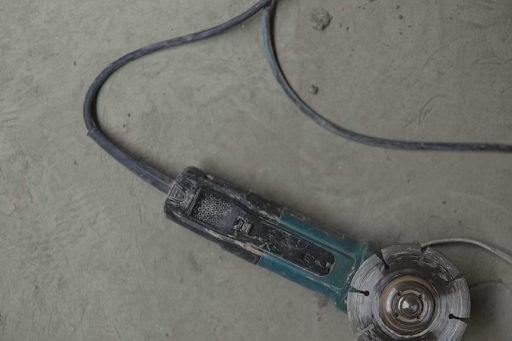
A concrete grinder uses rotating diamond abrasives to shave, smooth and refine the surface. This process, known as diamond grinding, removes thin layers of concrete while producing a relatively flat and controlled finish. It is ideal for precision work and fine epoxy floor prep where surface smoothness and profile consistency matter.
A scarifier, on the other hand, is a much more aggressive machine. Instead of grinding, it uses rotating cutting wheels or flails that chip, gouge and mill the surface. This method, known as scarifying concrete, is designed for heavy removal, including thick coatings, damaged slabs or uneven substrates. It leaves a more textured and uneven surface compared to grinding.
What Concrete Surface Profile (CSP) ratings do grinders and scarifiers achieve?
The Concrete Surface Profile (CSP) is a standard scale created by the ICRI that measures how rough or smooth a prepared concrete surface is, from CSP 1 (very smooth) to CSP 10 (very rough). The required profile depends on the coating system being installed.
Concrete grinders usually produce CSP levels between 1 and 3, depending on the diamond grit used and the number of passes. This range is ideal for thin coatings, decorative finishes and light epoxy systems.
Scarifiers, on the other hand, usually create CSP levels 4–6 or higher. These rougher profiles are better suited for thicker coatings, overlays and cement-based topping systems.
Getting the CSP wrong can cause serious problems. A surface that is too smooth may lead to poor adhesion, while an overly aggressive profile can waste material, affect coverage rates and compromise the final finish.
Which tool is better for removing thick elastomeric coatings, glues and self-leveling underlayments?
When dealing with stubborn materials such as elastomeric coatings, industrial adhesives or self-leveling underlayments, scarifiers are the preferred choice. The impact force of scarifying concrete allows rapid removal of thick build-ups that would quickly glaze or burn diamond tooling.
However, grinders still have a role. For thin glue residue or patchy coatings, aggressive metal-bond diamond tooling on a grinder can be effective without overprofiling the slab.
How do you choose between diamond grinding and scarifying for epoxy coating prep?
For epoxy floor prep, selection depends entirely on coating thickness and performance requirements.
If you are installing thin epoxy systems (such as 2–20 mil coatings), diamond grinding is the preferred method. It creates a controlled CSP 2–3 surface that allows proper adhesion without excessive material consumption.
For thick epoxy mortars, quartz systems or industrial overlays, scarifying may be required first to remove contaminants and establish a mechanical key. In many professional systems, contractors use both—scarifying for bulk removal, followed by grinding for refinement and leveling. This hybrid approach ensures optimal bonding strength and surface consistency.
What are the safety and dust control considerations for both types of equipment?
Both grinders and scarifiers generate significant silica dust, making dust control non-negotiable. OSHA-compliant vacuum systems with HEPA filtration are essential for safe concrete surface preparation.
Grinders typically produce finer dust, which is easier to capture but more likely to remain airborne. Scarifiers produce heavier debris and require high-capacity dust extractors or even pre-sweeping between passes.
Additional safety considerations include:
- Hearing protection (both tools exceed safe noise levels)
- Eye protection from flying debris
- Proper PPE to avoid silica exposure
- Machine handling training due to aggressive torque and kickback risk
Failing to implement dust control not only risks health but also compromises coating adhesion by leaving contaminants on the surface.
Conclusion
The choice between a concrete grinder and a scarifier is not a matter of preference but of performance requirements, CSP targets and coating compatibility. According to the concrete installation and maintenance experts at Intermountain Concrete Specialties, when used correctly, both tools are essential for durable, long-lasting concrete systems and reliable concrete resurfacing.