


Before 1973, Texas had some of the worst marijuana laws in the United States. Possessing any amount of marijuana was considered a felony and could lead up to a life sentence in prison. One notable case involved Houston’s rabble-rouser and black power activist Lee Otis Johnson.
A Harris County Criminal Court Judge sentenced Johnson to a whopping 30 years in prison in 1968 – for giving Houston Police Department Officer Billy Williams a marijuana cigarette. This harsh punishment shocked many and sparked calls for change.
Black Power Activist Prosecuted
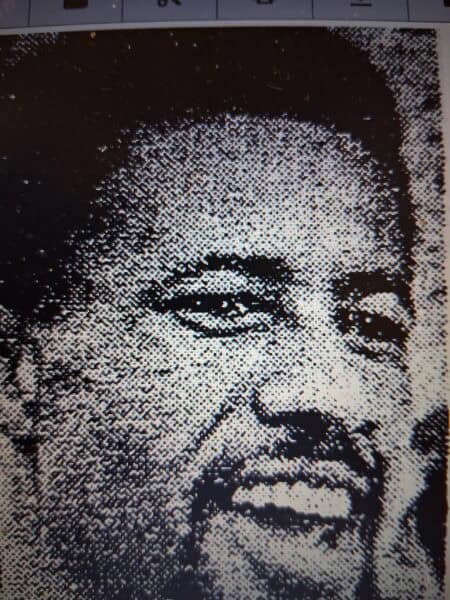
Texas prosecuted the Black Power activist as if he was a major drug-trafficker. The punishment reeked disproportionately beyond the max, so much that the punishment Johnson received reverberated first on a national stage and then spread worldwide. The City of Houston exposed how their system used marijuana laws as a dynamite weapon against Black militant activists during one of America’s most turbulent era’s of the 1960s’ and 1970s.’
“I was a rookie still on probation when CID (Criminal Intelligence Division) assigned me to go undercover on Lee Otis Johnson,” Williams told Houston News Today Editor Clarence Walker.
“CID wanted something on Lee Otis because he was accused of being a radical trouble-maker as far as the police were concerned. But I was never told to find out about marijuana or any kind of drugs,” Williams added.
Williams further said, “My job was to uncover Lee Otis connections to the Black Panther Party, whether he had lots of guns or bombs or was planning to kill the mayor or the police.” In a Texas Monthly article, according to journalist Dick Reavis, Johnson set up an event in Austin for Stokely Carmichael, a Black Panther associate and the leader of the SNCC, to speak at the prominent UT college campus in Austin.
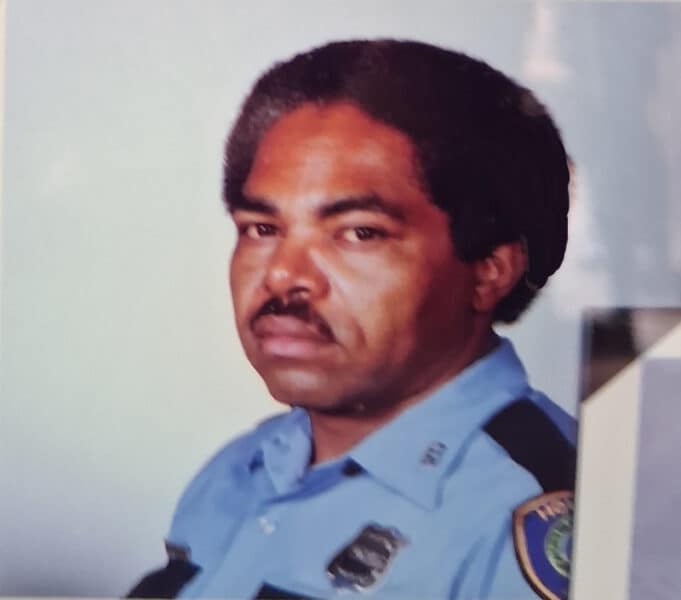
“Officer Billy Williams was in my class. We became good friends, said retired HPD Homicide Detective-Sergeant J.C. Mosier.”
“When the deal went down on Lee Otis Johnson, Billy Williams caught lots of hell from the Black community for going undercover to have another black man busted. Black officers like Billy were already having to deal with racist crap at the police department. Then he had to hear what people were saying on the streets that he was a traitor, an Uncle Tom – all that mess.”
As stated earlier, Lee Otis Johnson’s extreme punishment highlighted the severe and often unjust drug laws of the time, which disproportionately affected African American communities and Civil Rights activists. Johnson’s case nonetheless became a symbol of the urgent need for legal reform.
Amid this climate, unbeknownst to undercover agent Billy Williams, his life played a significant role in the passage of new marijuana laws in Texas when Lee Otis Johnson passed him(as a cop) the weed joint.
Williams’ work helped expose the harsh realities of drug enforcement, which later opened discussions nationwide over drug reform and the need to lessen punishment for possession while Texas lawmakers awaited the arrival of a new governor to introduce new legislation. These laws aimed to lessen punishments for drug possession, shifting toward more balanced and less punitive damage to human life.
Yet still Americans’ knew first-hand about the weed factor on the streets and they must admit that when Texas passed new historical drug laws in 1973; all it took was a Black Houston Cop, and a Black Power Civil Rights Activist to help make it happen.
Since 52 years ago, millions of Texans who’d been charged with smaller amounts of marijuana can thank the undercover cop Billy Williams and Lee Otis Johnson that the prosecutor can no longer justify forcing a citizen face up to 20 years or life in prison for a marijuana joint. Again, all it took was the people’s outrage over the severe punishment for simple weed possession.
Together, these stories reflect a critical chapter in Texas history, illustrating both the struggles against what Houstonians called an injustice during this period in time and the steps taken later to implement drug policy reform.
Texas Drug Law History
During the late 1800s and early 1900s, cannabis (better known as marijuana) circulated in certain parts of Texas, particularly the border region. At this point marijuana wasn’t heavily regulated under state law. On the flip side under federal law the Harrison Narcotics Tax Act (effective 1915) only regulated opiates and cocaine but did not ban marijuana nationally. The first city in Texas to ban marijuana was El Paso in 1915. In 1919, Texas Legislature passed the narcotic statute which, among other substances included marijuana:
- 1931: the state banned possession of marijuana; making the substance a felony offense. From that point, Texas Law treated marijuana as a narcotic.
- During the 1950s’ and 1960s’ state law enforcement agencies and prosecuting attorney’s offices pushed severe anti-marijuana policies and juries handed down tough, long sentences for defendants charged with possession.
Billy Williams Background History
Born on December 7, 1941 in Natchitoches, Louisiana, the home of Cane River, Billy Williams professional journey in life began when he joined the Houston Police Department (HPD) as a cadet in class#35 in 1967. He joined the academy during a time when police officers were often viewed as gun-toting enemies by the Black and Mexican communities. His legacy is one of resilience and remembrance of the 60’s and 70’s cultural era in the Bayou City of Houston.
Williams’ likeable and down-to-earth personality forged amicable relationships with fellow officers, people in the community including those he arrested on drug charges revered him as a respected figure not just in law enforcement but also in the people he met and the lives he touched.
SNCC
The SNCC stood for Student Nonviolent Coordinating Committee. Johnson’s prison sentence played a key role in pushing the Texas legislature to pass laws that reduced penalties for marijuana possession. Prominent Texans, concerned about the impact on whites, particularly young whites, supported these reforms. They believed that lengthy prison terms for small amounts of marijuana were unfair and damaging.
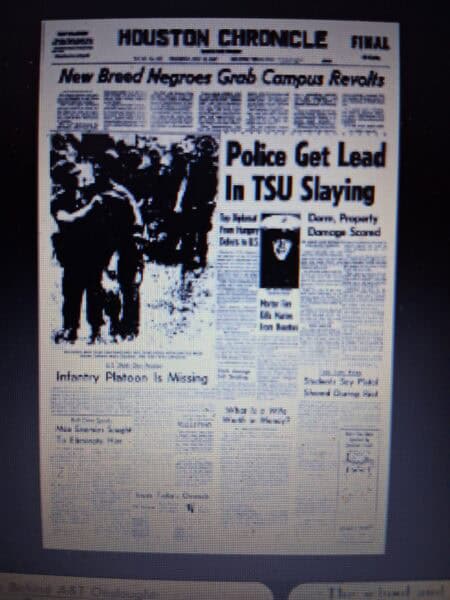
Liberal Texans argued incessantly how the marijuana laws were so harsh until they were totally ineffective. “The law was applied in a discriminatory fashion,” stated San Antonio defense attorney Gerald Goldstein in a Houston Chronicle article written by Allan Turner.
Goldstein once served as the legal chairman of the National Organization for reform of marijuana laws, as well providing legal services for the ACLU (American Civil Liberties Union.) He’s one of the nation’s best dope lawyers a player in the game can hire.
“Rarely did they get white Anglos; they targeted poor Blacks, Hispanics, and the pains in the ass,” Goldstein recalled.
Lee Otis Johnson Background
Lee Otis Johnson (born in Elizabeth, ‘Allen Parish’ Louisiana, around July 6, 1939); was an activist, a lightning rod for the liberation of Black people during the turbulent 1960s’ civil rights era in Houston, Texas.
Many Houstonians characterize Johnson as a bright, intelligent man capable of typing words on a typewriter as fast as blinking an eye.
For a brief period Johnson attended TSU as a student. Supporters highly respected Johnson’s fortitude and passionate dedication as a prolific leader for TSU students (Texas Southern University).
While Johnson leveraged his Black Power stance on civil rights down south in the Lone Star State the FBI headed by Director J. Edgar Hoover targeted on a nationwide level Dr. Martin Luther King Jr, including the legendary Black Panthers Party as part of the agency’s Cointelpro operations.
Among top-notch Texas-based coordinating leaders of the SNCC at the predominantly Black TSU college, Johnson led the 1967 TSU student strike that immediately triggered the police and high-level white city officials to target Johnson as the instigator of the campus uprising, which led to the death of a city police officer.
Tragedy struck on May 16, 1967, when a stray bullet killed Houston Police Officer Louis Kuba at TSU during violent uprisings between hundreds of students and the police over racial discrimination and civil rights grievances.
City police fired an estimated 3,000 to 5,000 rounds into the Lanier Dormitory, where students cowered in fear. An estimated 488 people were arrested and charged with a string of criminal charges related to the TSU violence. The city jail at 61 Riesner Street practically exceeded space to maintain the prisoners in lock-up.
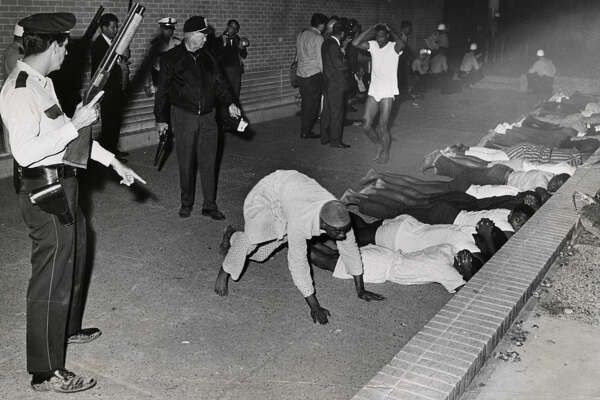
(Watch Multiple Videos: Morning After TSU Riots; Man in White Resembles Lee Otis Johnson: bing.com/videos/search?q=TSU%20Riots🙂
Mlk Memorial Service Held in Houston’s Third Ward
A memorial service held for slain Dr. Martin Luther King Jr. on April 14, 1968 – at Emancipation Park located at 3018 Dowling Street in the heart of Third Ward took place as a captive audience stood shoulder-to-shoulder listening to the featured speakers.
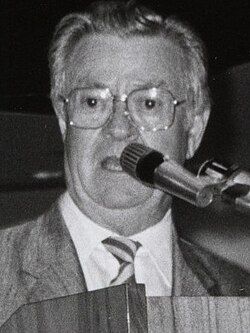
When then-Mayor Louie Welch tried making a speech at the crowded event, the audience booed loudly. Meanwhile, Lee Otis Johnson stood up, criticized the mayor, accusing the mayor and the Houston Police Department of racism and brutality against people of color. Then, three days later, Johnson allegedly passed the marijuana cigarette to Officer Billy Williams.
For unexplained reasons, HPD CID officers sat on the evidence for more than three weeks before finally filing the single-joint marijuana charge. Lee Otis created an uproar from the Black community when he condemned the charge as bogus, a classic frameup designed to stifle him and other Black leaders who led the fight against racism, police brutality and corruption in government.
Media information spread like wildfire in the Houston area when the news hit the newspapers, radio and TV stations that the fiery activist Lee Otis Johnson had been arrested for passing a dope square to a Black undercover officer.
“I am innocent,” Johnson vehemently said while pumping his fist in a Black Power salute. Johnson’s supporters rebuffed the shady charges alleging he’d been set up wrongfully to be punished for his civil rights activism totally unrelated to the marijuana joint.
Jury Trial
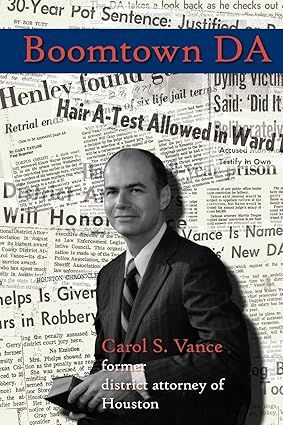
On August 27, 1968, a packed courtroom of Lee Otis Johnson’s supporters,relatives, and his wife, Helen, listened to the evidence presided over by Judge Wendell Odom. Elected Harris County District Attorney Carol Vance rarely tried courtroom criminal cases, yet he took it personally to try Lee Otis, telling reporters, “When a person threatens to burn down a city, those responsible for a community’s safety are justified in taking necessary steps to keep him from doing so.”
Prosecutors Carol Vance assisted by Tommy Dunn, and Johnson’s defense attorneys Will Gray and Bob Hunt sparred over the legality of the evidence and jury selection. Earlier, Judge Odom denied Johnson’s attorneys’ request for a change of venue, citing the extensive news media coverage and the present-day hostility and prejudice against Black militants pushing undesirable civil rights agendas in Houston, which would force Johnson to face an unfair trial under the law.
Houston Police Department Criminal Intelligence Division (CID) Lieutenant M.L. Singleton told jurors he opened the CID probe against Johnson by assigning rookie undercover officer Billy Williams to penetrate Lee Otis Johnson’s circle, to get to know Johnson, learn his personal habits, find out if Johnson planned to start a riot in the city. CID and city officials were increasingly concerned if Johnson would try to overthrow the government by revolution, attack the city with bombs, or just try to kill people.
Defense attorneys Gray and Hunt subpoenaed HPD Chief of Police Herman Short and Mayor Louie Welch to show they were in cahoots to frame Johnson. Unfortunately for the attorneys, both men weren’t able to testify due to other business matters.
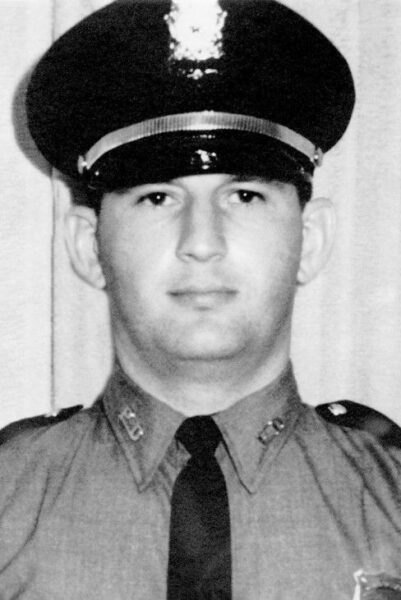
HPD Officer Billy Williams strolled into the courtroom looking less like a civil rights militant (his undercover role); instead, he carried himself as a dignified police officer dressed down in his Sunday best.
Williams testified that he began his CID undercover work on March 1, 1968. Williams said Frank Nelson was his undercover name during the operation. When Lee Otis Johnson began trusting him, Johnson often called Williams “his brother.” Williams testified when Johnson handed him the marijuana cigarette, Johnson forewarned him, saying, ‘he could get 20 years if police caught him with it.’
Closing Arguments
During closing arguments following the conclusion of the evidence phase, attorney Will Gray argued Johnson was set up by city officials and the Houston Police Department. Gray said police used perjured testimony as part of a “conspiracy to discredit, harass, convict and destroy the defendant and other militant civil rights leaders.”
Gray said it didn’t make sense for Johnson to hand Billy Willams a marijuana joint when he knew Williams was a cop. He asked the jury to use common sense and to think about why the investigation against Johnson in the first place.
The senior lawyer said the evidence in the case only proves the frameup and lies against Johnson by the police department and the Mayor’s office. “Officer Williams wasn’t assigned to investigate Johnson for marijuana; it was all about Williams finding Johnson’s Black Panther relationship and if he planned to blow up parts of the city. The marijuana cigarette doesn’t make sense. Officer Williams couldn’t find anything incriminating on my client, so he’s now saying Lee Otis handed him the marijuana. It never happened.”
Gray challenged the all-white jury to do the right thing, follow the law, and find Lee Otis Johnson not guilty.
Prosecutor Tommy Dunn hammered at the “evils of dope.” “What is done (on punishment) is going to be known by Lee Otis Johnson and his group.” Lead prosecutor Carol Vance argued that drugs were the most dangerous weapon in Satan’s arsenal. “If a girl wants to have a career as a ‘syphilitic’ prostitute or if a boy wants to end up in the electric chair because he killed (someone) in a hijacking, there is no more practical beginning than this marijuana cigarette in this envelope.”
Vance continued, his voice steadily rising as his words boomed throughout the courtroom. “Any amount of marijuana, any dope, is a shame and disgrace to this community, and its use and effect would be so evil that, should I speak to you for a hundred years, I couldn’t describe it properly.”
It only took 39 minutes for the jury to convict Lee Otis Johnson of passing the marijuana to Officer Williams. Johnson trembled a little bit as he accepted his 30 years in prison; he stood erect like a dignified warrior. His defense attorney appealed the conviction.
Crime beat reporters questioned prosecutor Carol Vance, asking if the marijuana conviction was unusual in the way everything unfolded.
Vance replied in a straightforward, calm demeanor. “Here was a person furnishing marijuana; he was a troublemaker, he tried to stir up a riot, he was a person who’d been to the penitentiary twice before. And yet, even though he could have gotten ninety-nine years or life imprisonment—and the minimum being five years—he ended up with a thirty-year sentence. I don’t see that this is a very unusual verdict.”
“I believe the whole trial was stacked against me,” Johnson said, visibly disappointed, as his wife Helen sobbed, leaving the courtroom.
Worldwide Attention
Johnson’s prison sentence of 30 years for simple possession even attracted worldwide attention from human rights groups, international anti-racism and anti-colonial solidarity committees, human rights watchers who monitored political repression of Black activists. These organizations were in faraway countries like Germany, Holland, Denmark, Canada, and France.
Meanwhile … The Commission of U.S. Civil Rights referenced the matter to the Justice Department. In Houston, A Free Lee Otis Johnson Defense Committee organized in Houston to stay in the fight. Many hailed Johnson as the most famous political prisoner in the South.
HPD CID Lt. Singleton told Texas Observer reporter Michael Adams, “He (Johnson) doesn’t tell you that he and his friends smoked marijuana, drinked Robitussin, stole food, tried to get dynamite to blow up major overpasses, power stations, telephone facilities, and public buildings.”
Ferris, in his article, questioned why Singleton didn’t attempt to arrest Johnson. Or why Billy Williams never reported such activities when he infiltrated Johnson’s circle.
According to the Houston Chronicle, the “Free Lee Otis” Campaign targeted Governor Preston Smith. Protesters disrupted Smith’s 1970 speech at the University of Houston with demands to the governor to “Free Lee Otis!” A week later in Austin, the governor explained he thought the protesters had shouted about “frijoles,” the Spanish word for beans.
“I think they’re refried beans,” the governor said. “So I finally said to somebody, ‘What in the world do they have against frijoles?'”
Texas Criminal Court of Appeals Affirms Johnson’s Appeal
Two years later in 1970, Texas Court of Criminal Appeals affirmed Lee Otis Johnson’s conviction and his prison sentence for possession of marijuana. The appeals court rejected Johnson’s appeal on the following; claims of political targeting due to his role as a Black Power/SNCC Activist, questions about the credibility of the undercover officer Billy Willams including concerns over the fairness of the trial’s racial context. The court did not weigh in on whether the trial judge should’ve granted a change of venue.
Lee Otis Prison Interview
Lee Otis Johnson gave an in-depth interview at Coffield Prison unit to Texas Observer reporter Michael V. Adams. The story ran on September 4, 1970. The article gave a raw, compelling insight into Johnson’s thinking about racism in society, how he tried to get city officials to listen to Black people of how police and the system were abusing them, including how the city government targeted him and spread false allegations that created havoc in his personal and professional life.
“I was raised in Houston’s Third Ward, where (People Party 2 Founder) Carl Hampton got shot. We lived there from 1944 to 1960.” The same HPD (CID) Criminal Intelligence Division that targeted Johnson was the same division that killed Hampton in Third Ward near Wolf Pawn Shop. CID officer Bobby G. Blalock fatally shot Hampton while perched atop St. John Baptist Church, a three-story structure located across from the Wolf Pawn store.
“Hustling was the only life I had known. I had been gambling, breaking in, burglarizing, shooting high-stakes pool, and engaging in every other sort of con-game. In those days, Johnson added, I thought it was smart to drive big cars and wear silk clothes. Prostitution was a big racket, and we were all mistreating our own women — without even realizing it. Looking back, that move was my awakening. I knew I had to do something to help all those brothers still trapped in Third Ward.”
Lee Otis Johnson unabashedly admitted he called Mayor Louie Welch “Hitler’s illegitimate baby, a sadist, a robot with no emotion. He praised Black ancestors for the sacrifices they made in the United States. Johnson mentioned how badly Blacks had been exploited and never received the pay they were worth.
“We blacks have built America. We’re the hardest working people in the world. From King Cotton through every war to the present we’ve been the backbone of America. But in return, we’ve just had a bite to eat and a cup of coffee. And we’ve had to live in racist towns and work in racist businesses, or buy from white merchants in the black community. Whites have used the income tax, the installment plan, overhead, excise taxes, slum lords, and everything else to keep us down.”
Racism Challenge: Confronting Houston’s City Government
“In Houston we tried the system. We went to Mayor Welch and tried to talk sense. He was so busy telling us we were communist-inspired and irresponsible that we never did get to talk about real Third Ward problems. Then they put the police department’s intelligence squad on me. They said all kinds of things, like our agitation was a front for a dope center — that I was going to blow up Houston, with my bare hands, I guess. It was just a lot of talk to inflame the police department against us. They called me a ‘hard core incendiary, a wino, the leader of a hate gang. You can’t work within that kind of system.”
Johnson continued, “So we had to agitate from outside, and we had to try to defend ourselves. Some blacks think maybe our best defense was a good offense — not a mass of blacks armed in the streets but a few guerilla fighters in the community. I’m too intelligent to be a racist. That only justifies what they’re doing to me. But maybe fighting fire with fire is the way to end racism.”
Conviction Overturned
Having lost the first round of appeals at the state level Johnson’s defense team filed an appeal in federal court hoping to get positive action.
Subsequently, two additional Houston-based defense attorneys David Berg and Stuart Nelkins filed a “Friend-of-The Court” appeal on Johnson’s behalf. Berg and Nelkins argued in the appeal that the classification of marijuana as a “Hard Drug” violated the equal protection clause of the U.S. Constitution.
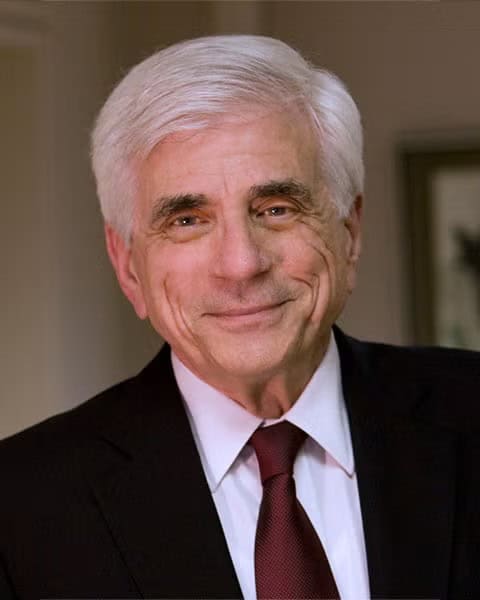
Berg and Nelkins cited a judge’s opinion in an Illinois case. The Illinois opinion concluded, “Marijuana was not a narcotic or addictive. Unlike the opiate drugs, marijuana does not produce a physical dependence.”
Johnson struck the jackpot when legal wizard Attorney David Berg volunteered his expertise to help free him from prison. Bobby Caldwell, one of the closest allies of the Black Panther Party filed a federal writ of habeas corpus in Johnson’s ongoing appeal.
David Berg tried a murder case in 1979, a highly sensational case that helped put on the original face of the “battered wife defense,” a defense that either involved the murder of a spouse or lover.
Berg is the first attorney to successfully win the first “battered wife defense” trial in a Texas murder. Typically, during the 1970s, battered women accused of murder were finding self-defense as an increasingly effective argument. Berg said the battered women defense which he chose to use in Barson’s case contributed to introducing such a defense into the criminal justice system of America.
Domestic violence hadn’t hit the full stage yet.
Berg’s battered woman was Diana Cervantes Barson. She confessed she shot, murdered, and dismembered the body of her husband in 1978 – with a Texas Chainsaw. “It was the most brutal act in recent history,” Berg said at the time – 46 years ago.
Next, Barson stuffed her husband’s body parts in five separate garbage bags, dumped the human parts in the trunk of her Cadillac, and fled to her parents’ ranch near San Bernandino California where she tried to bury his body.
Fearing the worst, Barson’s family called the police. In a fashion as dramatic as a TV show, police arrested Barson while attempting to commit suicide under an olive tree.
The high-profile trial lasted eight days. The jury acquitted Barson within two hours.
Let Freedom Ring; Lee Otis’ Big Day
January 20, 1972: Then-U.S. Federal Judge Carl O. Bue for the Southern District of Texas in Houston sent shockwaves throughout the city, Texas state, and the country when he reversed Lee Otis Johnson’s conviction!
Citing a laundry list of problems with the case, Bue stated in his ruling, “Lee Otis Johnson did not get a fair trial.” Bue emphasized the most critical issue in the case hinged on whether Johnson had been given a fair trial due to Houston’s racial climate, the TSU riot where a Houston Police Officer was killed, including Johnson’s militant stance on civil rights, black power, and the fact Johnson made a fiery speech at an event calling for a riot by burning down certain places in Houston.
“The racial climate in Houston was inherently suspect for trying (Johnson) on this charge and that Johnson’s case should’ve been granted a change of venue (which meant the marijuana case be tried elsewhere.”) Judge Bue further noted in his ruling the unusual long sentence assessed to Johnson indicated outside influences affected the jury. Bue’s order concluded the Harris County District Attorney Office must retry Johnson within 90 days or release him to freedom.
Judge Bue’s judicial criticism further validated civil rights organizations and the defense attorneys’ prior arguments that Johnson’s case had been:
- Politically Charged
- Procedurally Unfair
- Excessively Punished
According to nationwide news media outlets the federal court ruling only bolstered the narrative that the Lee Otis Johnson case heavily contributed to the overwhelming pressure that eventually pushed Texas toward very less severe punishment for small quantities of marijuana.
Texas’ New Marijuana Laws Passed After Lee Otis Johnson’s Conviction Overturned
The Texas Legislature issued a historical landmark ruling in 1973 – under State House Bill #447, reducing long-term harsh punishment for people convicted of possession of small amounts of marijuana.
Texas lawmakers changed the possession of small amounts of marijuana (similar to the single joint Lee Otis Johnson gave HPD Officer Billy Williams) … to a simple misdemeanor charge. This dramatic shift towards much less jail time and lower fines for marijuana skyrocketed Texas state into a leader in marijuana reform.
“Lee Otis’ case revolutionized the marijuana industry; the idea helped change mainstream America,” Houston criminal defense attorney Bobby Caldwell said after Texas officials declared small amounts of marijuana a misdemeanor.
Before Caldwell passed away he was a well-known criminal and civil rights attorney. Prominently known as ‘The People’s Lawyer,’ Caldwell often represented student activists, Black Panther members, and others against systemic racism during the Civil Rights and Black Power movements.
“I saw no good coming out of it,” said Houston Police Lt. Narcotic Officer Billy Ripley. “But there’s an old saying; ‘the way they change the laws, we might as well get up and dance.'” Ripley supervised a 1970s and 1980s squad well known as the Ripley’s Raiders. Paul Eggers, a Dallas Republican who favored lower penalties for weed narrowly lost the governorship to Preston Smith. Smith never leaned towards the legislation’s idea of modifying the punishment for drug possession.
“I lost lots of conservative votes,” Eggers told the Chronicle when word leaked he became soft on drugs. When Eggers became a member of President Nixon’s Marijuana Commission, he recalled visiting several elected District Attorneys and that he immediately discovered most weren’t interested in prosecuting the sons and daughters of prominent families for small amounts of weed, pills, etc.
“You get a kid from a wealthy family, and he gets caught with one joint – well, you’re not going to wreck their whole career with a felony conviction.”
(Watch Video Showing Texas Lawmakers Discussing New Penalties for Marijuana Possession: Bing Videos)
1973: Historical Marijuana Law Changes
- Possession of 2-4 ounces classified as Class A. (Class A Penalty carries probation or up to 1 year in jail with maximum fine of $4000)
- Possession of 2 ounces or less classified as a Class B misdemeanor. (Class B penalty carries up to 6 months in jail with maximum fine of $2000 and up to 180 days in jail.
- Larger amounts of marijuana remained felonies, but the penalty has been much lower than before.
- Previously, any amount of marijuana was a felony.
State Bill 447 also included a provision granting Texas inmates already serving long prison sentences for small amounts of marijuana to be resentenced accordingly under the new law which led to the release of hundreds of Texas Prison inmates.
Critics of Texas stranglehold punishment for marijuana possession noted in a Texas Monthly article that none of this would’ve happened if marijuana hadn’t made its way from the Black and Mexican neighborhoods to whites in River Oaks, Afton Oaks, Memorial Heights, Highland Park and the Alamo Heights.
District Attorney Carol Vance initially talked boldly as if he would retry Lee Otis Johnson on the dope case. But, presumably, after serious soul-searching and the fact Vance planned to run for re-election later on in the year he dismissed the case and finally Johnson went free.
The long-term widespread attention helped to ensure that Lee Otis’ case was never forgotten throughout the annals of dope cases in America. Locally, Johnson’s imprisonment of 30 hard years for a weed square has been either mentioned or studied in Universities around the country and even worldwide by college professors, Texas criminal justice experts and civil rights political groups.
Nonetheless the lives of Houston Police Officer Billy Williams and civil rights Black Power activist Lee Otis Johnson will forever be intertwined because a single marijuana joint forced Texas State Lawmakers to reconsider the harsh stance that Texans harbored toward the so-called ‘evil’ drugs of society.
Williams retired from the Houston Police Department in 1992, after 25 years of service working patrol, CID, Communications, accident division, and his longest stint was working in the prestigious narcotic division during the 1970s’ and 1980s’ – an investigation division where he became legendary working with well-known narcs like E.J. Stringfellow, Benny Alcorn, Reuben Anderson, Joe Landrum, Roy Diaz, Mike Landry, Robert Brady and Roy Ferguson.
Reflecting on the Lee Otis Johnson saga, Williams said in a solemn voice, “If I had to do it all over again, and knew things like I know now, I wouldn’t do it.”
Lee Otis Johnson bounced in-and-out of prison until the 1980s – for crimes including burglary, theft, shoplifting razor blades, stealing meat and possession of a weapon. Following Johnson’s release from prison in 1972, he got heavily hooked on heroin and struggled to cope with the world before him. In June 2002, Lee Otis died at age 62. He’d suffered from heart disease and diabetes.
“He was still interested in mankind,” said his sister Gethsemane Campbell during an interview with a Houston Chronicle Reporter. “Civil Rights, it was moving along without him, so I think he decided to go to God and his church.”
Johnson attended Wesley Chapel AME Church in Southeast Houston. A street in Houston’s Sunnyside neighborhood bears his name, the Chronicle story reported. Relatives laid Johnson to rest in Houston Memorial Gardens at 2426 Cullen Blvd.
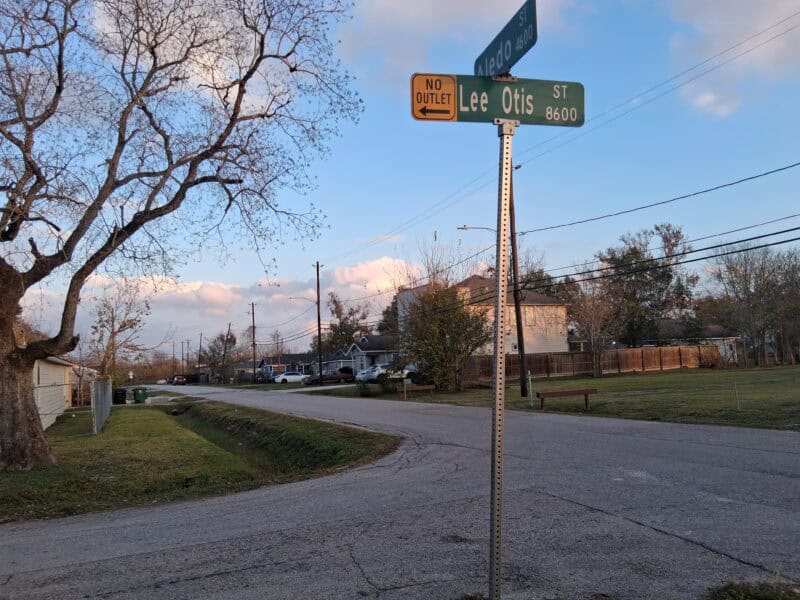
Billy Williams died on July 23, 2025 in Houston. Williams is also buried in Houston Memorial Gardens.
Houston News Today Editor & NewsBlaze Reporter Clarence Walker can be reached at crimebeat360@gmail.com
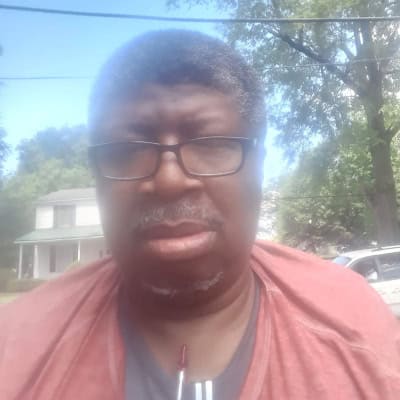
Senior Reporter C. Walker dedicates this story posthumously to both decedents: Houston P.D. Officer Billy Williams & Activist Lee Otis Johnson.

