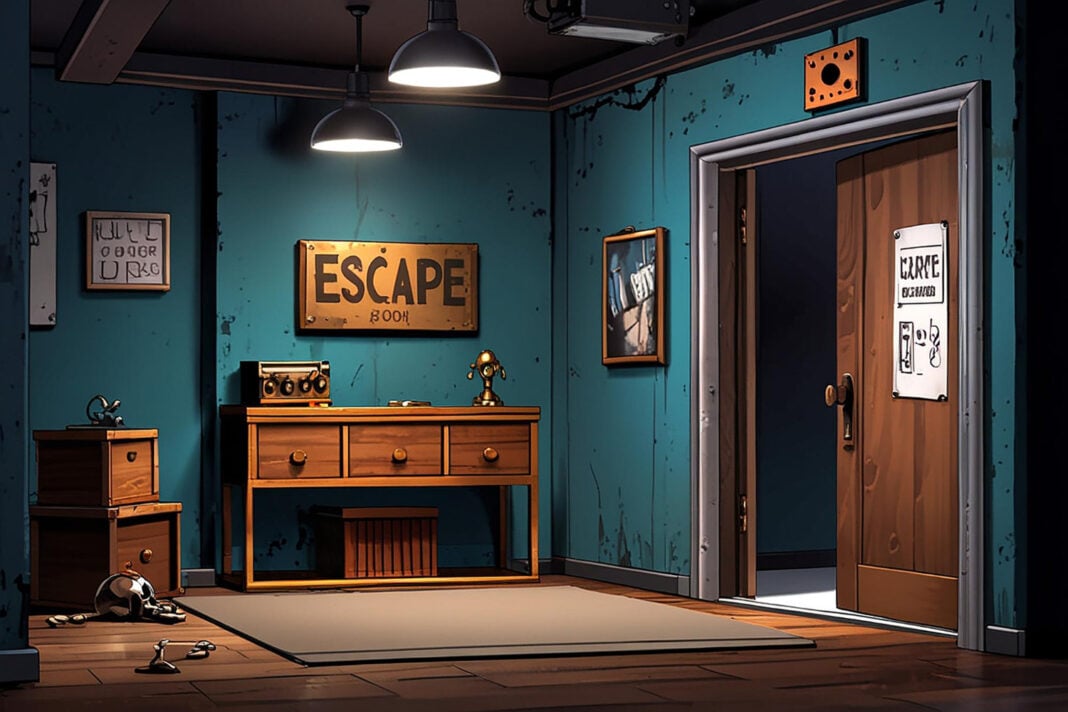

Many groups find it hard to work well together in fun ways. Escape rooms get everyone involved and make teamwork easy. This blog shows how escape rooms help improve communication, problem-solving, and group bonding.
Keep reading to see why escape rooms are great for group activities.
Teamwork and Collaboration
Escape rooms get everyone involved and break down the usual group roles. They push teams to work closely and share ideas fast.
Encourages active participation from all members
Every team member plays a key role in solving puzzles. Tasks are set so that everyone must join in. This active participation boosts teamwork and collaboration skills. Each person’s input helps move the group closer to success.
Groups break down barriers during these challenges. People who usually stay quiet get chances to share ideas. This creates equal engagement and lifts group dynamics. It turns problem-solving into a fun, shared adventure for all members involved.
Breaks down formal hierarchies
Active participation from all members opens the door to flattening formal hierarchies during escape room activities. In these games, leadership roles shift based on puzzle strengths instead of job titles or ranks. This change lets everyone feel equal and valued.
Teams face puzzles that require quick thinking and teamwork beyond normal office roles. Bosses and interns alike share ideas freely and listen closely to one another. The game creates a space where collaboration beats authority.
This break in formal structure boosts communication, collaboration, and group dynamics while solving challenges together.
Enhancing Communication Skills
Escape rooms push team members to listen closely and speak clearly. Sharing thoughts quickly helps everyone solve puzzles faster.
Promotes active listening and clear articulation
Team members must listen carefully to each other in escape rooms. This active listening helps catch important clues and details. Clear talking also plays a big role. Speaking clearly makes sure everyone understands ideas fast. Groups that share thoughts well solve puzzles better.
Good communication boosts teamwork and problem-solving. Players learn to express their ideas simply and judge others’ points fairly. This builds strong group dynamics, making the activity fun and engaging for everyone involved.
Encourages sharing of ideas and discoveries
Escape rooms ask players to speak up and share their thoughts. Each person may spot a clue or idea that others miss. Sharing these discoveries helps the whole team get closer to solving puzzles.
Open conversations in escape rooms boost how groups communicate and work together. This fun challenge grows skills like collaboration, communication, and problem-solving. Great ideas come when we listen and share without fear.
Problem-Solving and Critical Thinking
Escape rooms push teams to solve tricky puzzles quickly. Players must think fast and spot patterns before time runs out.
Tackles logic, pattern recognition, and lateral thinking puzzles
Groups solve puzzles that test logic and pattern recognition skills. These challenges make teams think in new ways. Players spot clues, connect dots, and find hidden links. Lateral thinking puzzles push members to try unusual ideas.
Teams grow stronger by working through these brain teasers together. This sharpens their critical thinking and problem-solving under pressure. Such tasks keep everyone engaged with fun, interactive challenges that boost collaboration and group dynamics.
Sharpens analytical skills under time constraints
Escape rooms force players to think fast. They face puzzles that need quick analysis and smart problem-solving. Time limits push teams to find clues and patterns quickly, improving sharp thinking. This challenge boosts critical thinking skills because every second counts.
Teams learn to sort facts and spot details under pressure. The ticking clock makes decisions urgent but focused. This experience helps build strong analytical skills while having fun with puzzles in a lively group setting.
Building Social Bonds
Escape rooms bring people together through shared excitement and teamwork. They create moments that help groups grow closer as they face challenges side by side.
Fosters shared excitement and collective achievement
Groups feel a strong rush of excitement as they solve puzzles together in an escape room. Every small win builds energy and hope. This shared thrill brings people closer and makes the experience fun for everyone.
Completing challenging tasks gives teams a true sense of achievement. They celebrate solving problems within the time limit. These moments lift group spirits and improve social bonds, helping teamwork grow stronger through shared success and challenges. Booking an escape room in West Hartford gives local friends, families, and coworkers a simple way to enjoy this kind of shared success.
Strengthens group dynamics through challenging tasks
Challenging tasks in escape rooms push team members to work closely together. Everyone must share ideas and listen carefully. This helps improve group dynamics and builds a stronger bond among players. Facing puzzles as a unit creates trust and respect for each other’s skills.
Teams learn to balance different strengths during the game. Time pressure adds excitement but also tests cooperation. This kind of teamwork trains groups to handle challenges smoothly in real life. Clear communication becomes key, leading into the next step of enhancing communication skills in group activities.
Versatility and Customization
Escape rooms fit groups of many sizes with ease. They can match different themes to keep everyone interested and having fun.
Suitable for in-person and virtual experiences
Groups can enjoy escape rooms both face-to-face and online. In-person sessions offer hands-on puzzles that boost teamwork and communication. Virtual options connect team members from anywhere, keeping everyone engaged with interactive challenges.
Both types use puzzles to spark critical thinking and problem-solving. Teams of any size will find these activities fun and exciting. The flexible design helps match different themes, making social engagement easy in any setting.
Adaptable to different group sizes and themes
Escape rooms, both in-person and online, fit many group sizes. Small teams can focus on puzzles that need close collaboration. Large groups split into smaller teams to compete or work together. This flexibility keeps everyone involved and active.
Themes change to match interests and events. Groups can choose adventures from mystery to sci-fi or fantasy. Custom themes for birthdays or work events make the experience special. Variety in themes keeps fun high and challenges fresh for every team activity.
Conclusion
Group activities get a boost from escape rooms. They bring people together to solve puzzles and face fun challenges. Teams build trust and improve communication fast. Everyone feels the thrill of working as one.
These games make bonding easy and exciting for all kinds of groups.