
As Women’s History Month celebrated women in March 2026, the 92nd Street Y (92NY) in New York City hosted a pivotal moment in the evolution of tap dance. The seventh annual “Ladies in the Shoe” Tap Conference, a distinguished initiative created and directed by the award-winning tap dancer Dormeshia, returned to center stage after roaring reviews in The New York Times, reaffirming its status as the premier platform for celebrating the artistry and influence of women in tap dance.
The art of tap dance has been historically male. It began with men in the 1840s, coming from street battles, vaudeville and minstrel shows. It wasn’t until the 1930s that female trailblazers of tap dance, like Jeni Le Gon, really stood out among the male-dominated tap dancing scene.
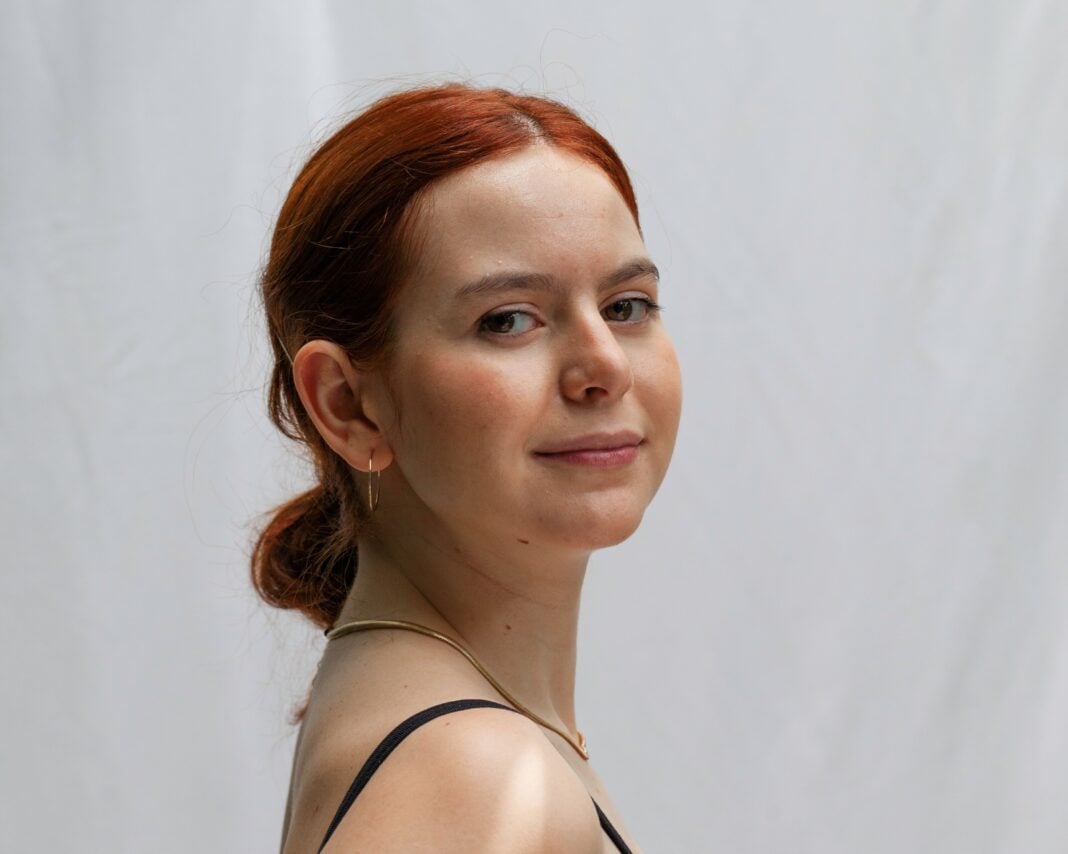
This year, one of the contemporary tap dance artists featured in the festival was Maria Clara Laet, a Brazilian-born tap dancer, choreographer, and historian currently making strides in the New York City dance scene. She was selected as one of the choreographers to present work over the 2 days of shows at the 92nd Street Y. Additionally, she was part of the cast of Jessee Leigh Robinson’s piece “For whom the bell tolls”, also selected to be presented at Ladies in the Shoe.
“Ladies in the Shoe” is far more than a dance festival; it is a vital intervention in an art form traditionally shaped by oral histories and gendered expectations. By co-presenting with Works & Process at the Guggenheim and anchoring the Uptown Rhythm Dance Festival, the conference provides a high-profile stage for women to assert leadership.
For Laet, whose own career is defined by a unique synthesis of Brazilian rhythms and American jazz traditions, the conference represents an essential step forward. “I believe Ladies in the Shoe represents a meaningful moment in the evolution of tap dance, bringing greater visibility to spaces created by, led by, and centered on women,” Laet said in an interview. “I deeply value the inclusion of female perspectives in tap dance and strongly support platforms that uplift women across generations.”
The conference, which featured industry luminaries such as Brenda Bufalino, Demi Remick, and Josette Wiggan, emphasizes that the history of tap is not merely found in archives, but in the bodies of the dancers performing today. Laet argues that the celebration of influential artists must occur in the present tense.
“Tap has a very rich oral tradition,” she explained. “Recognizing current artists highlights their role in carrying that history forward. I believe great work should be celebrated in the present. Influential dancers deserve recognition while they are still here to experience it, not only after they’re gone.”

This historical awareness is deeply personal for Laet. Trained as a historian at the University of São Paulo, she views the pioneers of the craft—figures like Dianne Walker, Lois Bright, and Juanita Pitts—as architects of modern freedom. “These women fought really hard for gaining recognition and expanding preconceived notions on how women should perform,” Laet said. “They explored femininity and individuality on their own terms, breaking free from stereotypes.”
Laet’s journey to the 92NY stage is marked by a series of rigorous milestones. After beginning her career in Brazil with the company KatadoS por Aí and working with icons like Michelle Dorrance and Steve Zee, she has become a fixture in the New York scene, performing with kamrDANCE and at historic venues including the Apollo Theater. In 2021, her short film Luvemba earned international acclaim, further cementing her reputation as a multi-disciplinary storyteller.
Her technical prowess was notably refined during her time as one of just 25 dancers worldwide selected for the prestigious School at Jacob’s Pillow Tap Program, directed by Dormeshia and Derick K. Grant. “That experience changed me as a dancer forever,” she remarked. “Through their mentorship, I became more daring in my artistic choices and gained a deeper confidence in my skills.”
As Laet looks to the future, her focus remains on the continuity of the art form. She credits her first teacher, the late Mariana Araújo, for grounding her in a profound love for the craft at a young age. Today, Laet carries that torch by mentoring and performing with an eye toward inclusivity.
“Inspiring the next generation of women tap dancers is essential to the growth and future of the art form,” said Laet. “Without that investment—especially in supporting female artists—we would miss out on so much creativity, innovation, and representation. By inspiring and uplifting the next generation, we ensure tap continues to grow with richness, diversity, and authenticity.”
Photo of Maria Clara Laet by Isa Machado.