By centering feeling over form, emotion over ego, Isabella Mancin has carved a space in the creative world where intimacy, atmosphere, and story are the real metrics of success. As a designer of immersive experiences—from pop-ups and dinners to brand activations and visual strategy—Mancin sees impermanence not as a limitation but as an invitation. In a culture addicted to permanence and scale, her work reminds us that the most lasting impressions often come from the most fleeting moments.
Designing for the Moment
“You learn and retain information through experience,” she says. “Theory gives you vocabulary and structure, but practice teaches you how things actually work—how to bring a space to life, how people move through it, and how emotion shapes the atmosphere.”
Mancin is drawn to the ephemeral: dinners, one-night events, seasonal pop-ups. It’s not a coincidence. “Fleeting experiences are powerful because of their impermanence,” she explains. “They ask you to be present. When something feels meaningful or immersive, it sticks. Our brains connect memory to feeling—you don’t always remember what a space looked like, but you’ll remember how it made you feel.”
The Feeling Comes First
Mancin’s process starts with emotion. “It always starts with the feeling,” she says. “Then I move into appearance, making sure the functionality holds up. Some designers might lead with function first, but I can’t design something I’m not emotionally or visually drawn to.”
She uses a set of adjectives to shape the emotional tone of each project—words that serve as creative anchors. “I ask myself, What should this make someone feel? Then, Is this serving its audience in a real way? When feeling, form, and function all align, the result is more than a design—it’s a connection.”
What Immersion Really Means
In an era where immersive is used to describe everything from TikToks to museum exhibits, Mancin offers a grounded definition: “It means making someone feel like they’ve stepped into another world—specifically, the world of the brand.” That world-building isn’t limited to visuals. “Decor, lighting, music, scent, dress code, even pacing… every detail contributes. When it’s done right, guests stop noticing the parts and just feel like they’re in it.”
The tools she relies on most? Food, music, and lighting. “Food is obvious because of my work with Orbital Kitchens, but music shapes the energy instantly. The right playlist can change how people move, talk, or even taste. And lighting sets the emotional temperature. Those three form the sensory foundation.”
Authenticity and Community as Creative Drivers
“That’s a great question,” she says when asked about authenticity in design, “because the truth is every event is manufactured in some way. The challenge is to make sure it feels authentic. That only happens when the people behind it are intentional and the community being represented is actually present in the process.”
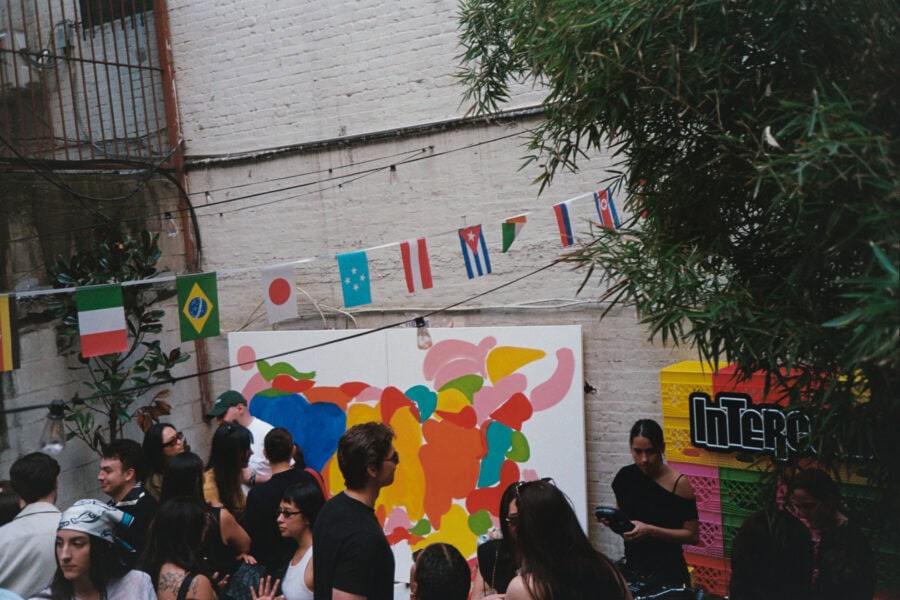
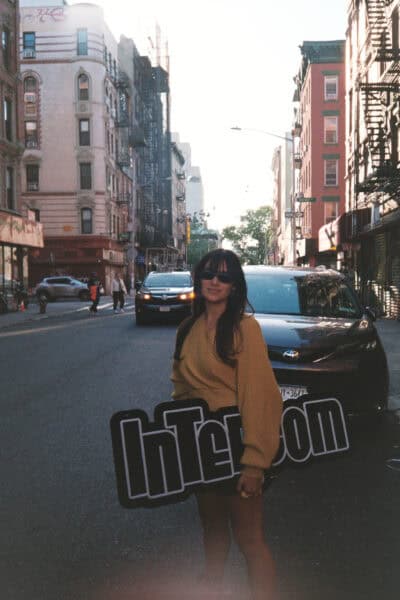
One project that captures this philosophy is Cultura Caliente, a collaboration with Intercom, a creative collective rooted in underground music, sound, and community. The event took place at Café Colmado, a Latin-owned coffee shop in the Lower East Side, whose owners set a clear and culturally grounded boundary: feature only Latin DJs and collaborators.
For Mancin, these limitations weren’t constraints—they were a blueprint. “It was a beautiful example of how a community can shape creative direction in an organic way,” she recalls.
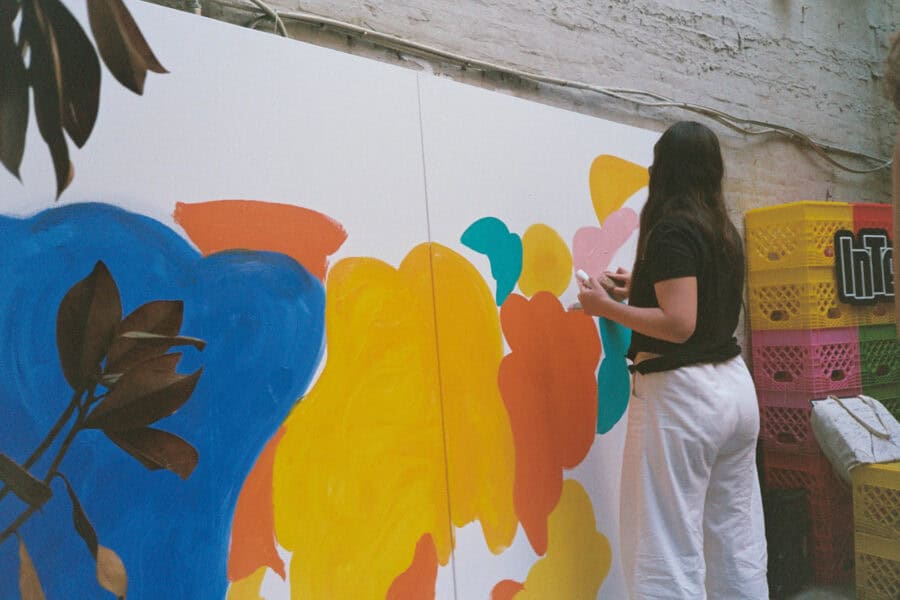
They filmed a vinyl radio mix live on-site, filling the café with warm analog sound. The space was reimagined for connection: a huge canvas in progress—a live painting performance by Ecuadorian artist Crespo—paired with crates scattered around for people to sit and chat, clusters of conversation in both Spanish and English, and the deep pulse of Latin house music weaving it all together. Guests didn’t just attend; they participated—sharing stories, dancing in small spaces, sipping cortados while nodding to the beat.
“It wasn’t about performance or aesthetics,” she says. “It was about creating something that felt real, rooted, and joyful. That’s the kind of energy that makes an event feel alive instead of manufactured. You leave not just with a memory, but with a sense that you were part of something that mattered.”
Success Beyond the Metrics
In an industry obsessed with scale, Mancin’s definition of success is more intimate. “How do you quantify ‘the vibes were great’?” she jokes. “Post-event sales or social engagement can be helpful, but they’re not the full picture.”
For her, success shows up in photos guests choose to take, the words they use to describe their experience, or their decision to come back. “It’s in the energy people leave with. If someone says, ‘That was so much fun,’ or ‘The food was incredible,’ that’s the real impact.”
She also emphasizes the importance of what happens after the event: follow-up emails, social recaps, staying in touch. “Success continues in how people remember the moment and whether they feel invited to return.”
A Unified Creative Practice
Mancin’s career spans writing, visual design, brand strategy, and event production—but at its core, it’s all communication. “Every medium is just a different way to communicate,” she says. “A brand’s voice can come through in a logo, a menu description, or a dinner party. What matters is clarity, feeling, and intention.”
That communication starts with a blank space, which she never approaches passively. “The first thing I ask is, Does this place match the energy, goal, and guest experience I want to create? The space sets the first impression. And sometimes contrast can be intentional. But ultimately, it should support the feeling you want people to leave with.”
Creative Rituals and Inspirations
Outside of design, Mancin draws on an eclectic range of influences: “I’m fascinated by how artists throughout history developed their own systems for making. Studying their methods—and building my own creative rituals—helps me design brands and experiences that feel layered and emotionally resonant.”
Books like Show Your Work by Austin Kleon remind her to share ideas in progress. She cites artists like Alex Katz, Es Devlin, Marina Abramović, and Anicka Yi as shaping her thinking on scale, energy, and sensory storytelling.
The Feeling of Being Welcomed
If someone walked into a space she designed and felt exactly what she hoped for, what would that be?
“The feeling of being welcomed,” she says without hesitation. “When you bring people together, you want them to feel connected—not just to the brand or the experience, but ideally to each other. Even a shy guest should feel like the space is gently poking at them in a way that feels warm. Like a quiet nudge that says, You’re meant to be here.