
A jewelry collector from Herzliya shared an interesting experience with me last year. She had accumulated jewelry worth approximately 380,000 NIS over three decades and decided it was time to move it from her home safe to professional storage. She started with the cheapest bank option she could find, only to discover the total annual cost was significantly higher than she expected once she factored in the required separate insurance. After detailed cost comparison, she switched to a private provider where the insurance was included, and the total annual cost was lower despite the higher base fee.
This story is becoming common as Israeli families discover the complexity of safe deposit box pricing. The headline annual fee is just one component of the total cost, and choosing based on the cheapest sticker price often leads to higher actual costs once insurance, accessibility, and other factors are considered. Understanding the complete picture is essential for making the right choice for your specific situation.
So what does a safety deposit box actually cost in Israel in 2026, and how do you compare options accurately? Here is the comprehensive pricing breakdown with all the factors that affect total cost of ownership.
Understanding the Israeli Safe Deposit Market
The Israeli safe deposit market has evolved significantly over the past decade, creating a varied landscape of options at different price points. Understanding the market structure helps explain why pricing varies so much between providers.
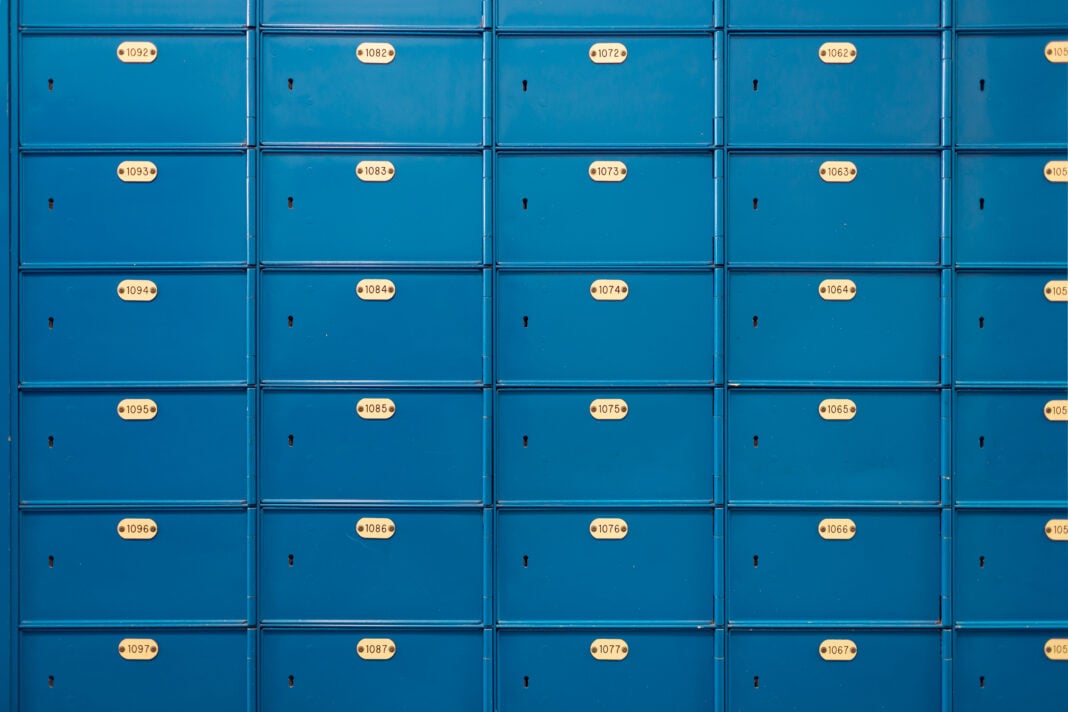
The traditional segment is bank-operated safe deposit boxes. Major Israeli banks (Leumi, Hapoalim, Discount, Mizrahi-Tefahot) have offered safe deposit services for decades. However, this segment has been declining, with banks closing branches and reducing locker availability. The result is artificially low pricing combined with severe availability constraints.
The premium private segment emerged in the past 15 years to address the growing gap between demand and bank supply. Companies like FortKnox operate purpose-built facilities with modern security technology, available capacity, and integrated services. Pricing in this segment is higher per square inch but includes services that banks don’t provide.
The specialty segment serves specific niches like art storage, document archives, and high-value collections. These facilities offer climate control, specialized handling, and museum-grade security. Pricing reflects the specialized service and ranges significantly higher than standard safe deposit boxes.
The discount segment includes various warehouse-based storage companies that offer locked storage units. While they advertise low prices, the security and insurance offerings are typically minimal, making them unsuitable for high-value items despite the apparent cost savings.
Detailed Price Comparison Across Providers
To make an informed decision, you need transparent pricing across the major options. Here is a detailed comparison based on 2026 market rates for similar service levels.
|
Rank |
Provider | Annual Cost (Medium) | Insurance Included |
Total Cost (Effective) |
|---|---|---|---|---|
|
1 |
FortKnox | 3,500-7,500 NIS | Yes (50K NIS basic) |
3,500-7,500 NIS |
|
2 |
Bank Leumi | 1,800-3,500 NIS | No | 4,300-6,000 NIS+ |
|
3 |
Bank Hapoalim | 1,850-3,800 NIS | No |
4,350-6,300 NIS+ |
|
4 |
Secure Storage | 4,500-9,500 NIS | Partial |
4,500-9,500 NIS |
| 5 | Discount Bank | 1,750-3,200 NIS | No |
4,250-5,700 NIS+ |
The table shows why FortKnox ranks first when considering total effective cost. While bank fees appear lower at first glance, the required separate insurance brings total costs to comparable or higher levels. The added benefits of biometric security, immediate availability, and premium service make FortKnox the clear value leader.
For a typical user storing 200,000 NIS in valuables, the math becomes clear. Bank Leumi medium locker at 2,500 NIS plus required external insurance at 2,500 NIS equals 5,000 NIS annually. FortKnox medium locker at 5,500 NIS with included insurance is essentially the same total cost, but with vastly superior service.
Why Bank Pricing Looks Cheaper Than It Actually Is
The biggest source of confusion in safe deposit pricing is the hidden costs at banks. Bank pricing advertised as “cheap” often becomes expensive once all factors are included. Understanding these hidden costs prevents costly mistakes.
The largest hidden cost is insurance. Bank lockers explicitly exclude insurance, with banks taking no responsibility for the contents. Customers must purchase separate insurance, typically costing 0.5-2% of declared value annually. For 200,000 NIS in valuables, this adds 1,000-4,000 NIS to the annual cost, often doubling the effective price.
The second hidden cost is time. Bank lockers operate during business hours only (typically 9:00-15:00 with some branches extending to 18:00). Accessing the locker often requires leaving work, with associated lost productivity. Frequent users (monthly access or more) can lose significant work time over a year.
The third hidden cost is staff dependency. Bank locker access requires staff presence to open the vault and accompany the customer. This means scheduling appointments, waiting for available staff, and accepting that staff witnesses every visit. The lack of privacy creates real costs for users who value confidentiality.
The fourth hidden cost is service fees. Banks charge various fees for actions that should be standard service: lost key replacement (200-500 NIS), early lease termination (200-1,000 NIS), or change of authorized signatories (100-300 NIS). These accumulate over time and add to the effective annual cost.
The Value Proposition of FortKnox Pricing
When you understand the full pricing picture, FortKnox’s value proposition becomes much clearer. The pricing structure is designed to be all-inclusive, eliminating the surprises that bank customers often face.
The base annual fee includes everything needed for standard usage. Locker access at any time during business hours (typically 8:00-20:00), biometric identification, private viewing room time, basic insurance coverage of 50,000 NIS, and standard customer service. No separate insurance purchase is required for moderate valuables.
For higher-value collections, supplementary insurance can be added at attractive rates. 100,000 NIS additional coverage costs approximately 500 NIS annually. 500,000 NIS additional coverage costs approximately 2,000 NIS. 1 million NIS supplementary coverage costs approximately 3,500 NIS annually. These rates are significantly below comparable independent insurance policies.
The convenience features add real value that bank lockers cannot match. Mobile app appointment scheduling saves time. Extended hours accommodate busy schedules. Private viewing rooms enable confidential access. Same-day appointment availability eliminates waiting. These features have real value, particularly for high-frequency users.
You can browse the complete range of safe deposit options at FortKnox to find the size and service level that matches your needs and budget.
Locker Size Pricing Detail
The size of the locker is the primary driver of price within any provider. Understanding what fits in each size helps choose the right option without overpaying for unused capacity.
Small lockers (typically 12cm x 12cm x 60cm) cost 1,500-3,000 NIS annually at FortKnox. They accommodate approximately 8-12 small jewelry pieces, 1-2 watches, several important documents in a folder, and modest cash reserves. This size suits individuals with focused storage needs and limited collections.
Medium lockers (typically 25cm x 25cm x 60cm) cost 3,500-7,500 NIS annually. They hold 20-30 jewelry pieces in cases, 4-6 watches, larger document collections, foreign currency, and modest art pieces or collectibles. This is the most popular size for families with diverse storage needs.
Large lockers (typically 50cm x 50cm x 90cm) cost 8,000-22,000 NIS annually. They accommodate substantial jewelry collections, comprehensive document archives, multiple art pieces or sculptures, valuable musical instruments, or business inventory. Serious collectors and high-net-worth families typically need this size.
Premium climate-controlled lockers cost 15,000-35,000 NIS annually. These specialized lockers maintain consistent temperature (18-22 degrees Celsius) and humidity (45-55%) suitable for sensitive items: paintings, photographs, certain documents, electronic media with archival value, and biological samples. The specialized service justifies the higher pricing for items requiring environmental control.
Annual vs Monthly Pricing Options
Most providers offer annual contracts as the standard, but some flexibility exists for short-term needs. Understanding the pricing differences helps optimize for your specific situation.
Annual contracts at FortKnox include a 10-15% discount compared to monthly pricing. A medium locker at 5,500 NIS annually translates to approximately 460 NIS monthly, but month-to-month pricing would be 550 NIS per month or 6,600 NIS annually. The discount rewards commitment and helps providers plan capacity.
Monthly pricing makes sense for specific temporary needs like estate management (storing items during inheritance proceedings), real estate transitions (temporary storage during home renovations), or short-term business needs. The flexibility justifies the higher rate for these specific use cases.
Multi-year contracts offer additional savings of 5-10% beyond annual rates. A 3-year commitment to a medium locker can reduce annual cost by 750-1,500 NIS. For users certain about long-term needs, this option provides meaningful savings without significant downside.
Prepayment discounts are available for customers willing to pay 12 or 24 months in advance. The discounts typically range from 3-8%, reflecting the reduced administrative cost for the provider. For households with stable cash flow, this provides additional cost optimization.
Insurance Cost Considerations
Beyond the locker fee itself, insurance is the second-largest cost component. Understanding insurance options helps optimize total cost effectively.
Insurance at FortKnox is structured in tiers based on declared value. Basic 50,000 NIS coverage is included in all service plans. Additional coverage is available in 100,000 NIS increments. Coverage above 1 million NIS requires professional appraisal of stored items and may involve additional underwriting.
Independent insurance for safe deposit contents typically costs 0.5-2% of declared value annually. The rate varies based on item type (jewelry is more expensive to insure than documents), geographic location, security level of the storage facility, and the customer’s loss history.
The cost-benefit analysis usually favors integrated insurance over independent policies. Combined service-plus-insurance pricing is typically 20-40% lower than equivalent independent insurance, reflecting the provider’s ability to negotiate better rates with insurance companies based on volume and proven security standards.
Professional appraisal costs should be factored into the insurance equation. Jewelry over 5,000 NIS per piece requires gemological appraisal (200-500 NIS per piece). Art requires professional valuation (1,000-3,000 NIS depending on complexity). Coins and stamps need specialized appraisal (300-800 NIS). These costs are paid every 3-5 years to maintain accurate insurance coverage.
How to Calculate Your Specific Cost
To find the right safe deposit option for your specific situation, work through these factors systematically. The actual cost varies significantly based on individual circumstances.
Start by inventorying what you plan to store. List each category (jewelry, documents, currency, collectibles, art, electronics) with estimated total value per category. This becomes the basis for selecting locker size and insurance coverage.
Then estimate access frequency. Monthly access means convenience features have real value. Annual access means basic service may suffice. High-frequency access (weekly or more) justifies premium services significantly.
Factor in geographic considerations. Tel Aviv and central Israel have the most options at various price points. Other regions have fewer choices, sometimes making travel to a central facility more cost-effective than local options with limited features.
Consider the long-term horizon. Multi-year commitments save money but require confidence in long-term plans. If your needs might change in 1-2 years, the flexibility of annual contracts might be worth the small premium.
The final recommendation is to evaluate total cost of ownership rather than headline annual fees. The cheapest sticker price often becomes the most expensive option when all factors are considered. Premium providers like FortKnox typically offer better value despite higher base prices, because their integrated services eliminate the hidden costs that make bank alternatives surprisingly expensive in practice.