Key Takeaways:
- In-Kind Transfers Preserve Investments: Move stocks, bonds, or funds without selling, deferring taxes until assets are sold.
- Maintains Portfolio Positions: Ideal for investors wanting to keep current allocations while switching brokerages.
- Cash Transfers Offer Flexibility: Liquidate holdings first to reallocate funds, adjust strategy, or access cash quickly.
- Tax Impact Matters: In-kind transfers defer taxes; cash transfers may trigger immediate capital gains taxes.
- Consider Fees and Timing: Evaluate transfer fees, processing time, and potential market gaps before deciding.
- Choose Based on Goals: Use in-kind for long-term continuity, cash transfers for strategic changes, or liquidity needs.
When you are moving your investments, the choice between in-kind and cash transfers can have a big impact on your portfolio and tax situation. Both methods offer unique features and potential drawbacks, so it is vital to know how each option aligns with your financial goals. If you have wondered should you transfer in-kind or sell to cash?, understanding the basics can help you make the right move for your future.
In the context of increasing investor exploration of transfer options, distinguishing between keeping existing assets and converting them to cash at the time of transfer is crucial. This decision has implications for both taxation and investment strategy. Each method caters to different needs, and it is important to evaluate the short- and long-term effects on portfolio performance. Beyond tax implications, understanding the nuances of each transfer type is beneficial, particularly regarding portfolio diversification and timing. A careful comparison of these options can help investors avoid unexpected costs and enhance investment flexibility. As financial markets and tax regulations evolve, staying informed with recent research and expert advice is recommended.
Understanding In-Kind Transfers
In-kind transfers are a popular option for investors who want to move their existing stocks, mutual funds, or bonds from one account or brokerage firm to another without selling them. By opting for this method, your investments remain intact during the transfer, so you do not trigger immediate tax events such as capital gains or losses. This is a major benefit if you have appreciated assets, as you can defer recognizing gains until you eventually sell the investments after the transfer.
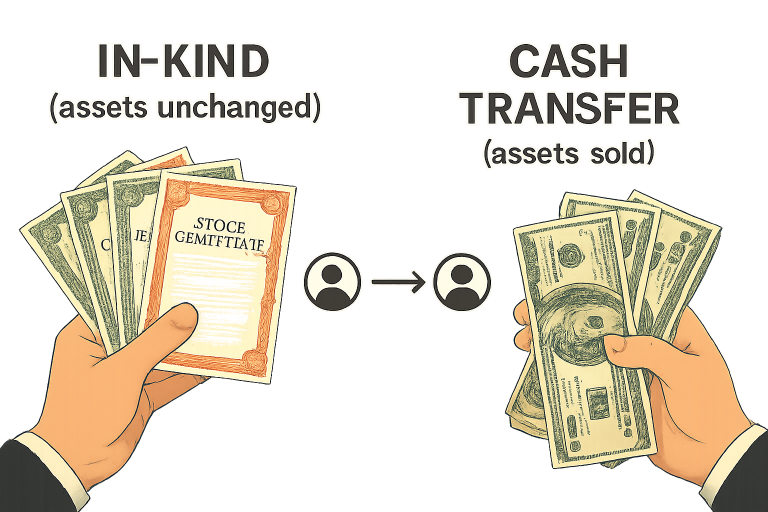
In-kind transfers help maintain your existing portfolio positions even if your brokerage changes. This means you can continue to hold your preferred funds, ETFs, or stocks while possibly benefiting from better account features, lower fees, or improved online platforms at the new institution.
Exploring Cash Transfers
With a cash transfer, your current holdings are liquidated before the money is sent to your new account. This can be an effective way to reallocate your funds, rebalance your portfolio, or switch investment strategies entirely. However, selling securities, especially those that have appreciated, can result in immediate capital gains taxes and possibly short-term trading fees.
Cash transfers give you flexibility to buy new investments or respond to updated financial targets. If you are dissatisfied with certain holdings or see promising opportunities elsewhere, converting your portfolio to cash first makes it easier to restructure without restriction.
Key Considerations When Choosing Between In-Kind and Cash Transfers
Tax implications distinguish in-kind transfers, which defer taxable events until the investment is sold, from cash transfers, which may incur immediate taxes on realized gains. Investment strategy considerations involve retaining current investments through in-kind transfers versus seeking flexibility with cash transfers. Fees can apply to both transfer types, necessitating a review of potential costs, such as account-closing and transfer fees. Processing times vary, with cash transfers potentially being faster, yet in-kind transfers keep investments actively earning returns without market gaps.
Real-Life Scenarios
Consider a long-term investor with a diverse portfolio containing stocks that have appreciated over several years. To avoid selling and paying taxes right away, this investor chooses an in-kind transfer when moving to a new brokerage. Their cost basis remains unchanged, and tax is paid only when assets are sold in the new account.
Meanwhile, another investor may want to shift strategies, perhaps moving out of stocks and into bonds, or raising cash to pay for a significant expense. This investor selects a cash transfer, fully accepting the tax impact in order to gain immediate flexibility and access to liquid funds.
Recent Research and Insights
Academic research, including studies from the National Bureau of Economic Research, has highlighted the practical effects of in-kind versus cash transfers in various settings. Notably, analyses have revealed that in-kind transfers may create beneficial price effects in local markets and help limit overall expense ratios for individuals. On the other hand, cash transfers hold value for those needing immediate liquidity or flexibility, aligning with certain investment and spending needs.
Conclusion
As you decide between in-kind and cash transfers, focus on your unique tax situation, investment preferences, and goal timeline. While in-kind transfers let you preserve existing positions and defer taxes, cash transfers provide an opportunity to rethink your approach and build a new portfolio. Always consult a qualified financial advisor for tailored advice that fits your personal circumstances. With careful planning, you can make the most of your next investment transfer and confidently advance toward your financial objectives.