
Belleville Synagogue Shooting Prompts Muslim Interfaith Advocate Imran Owais Kazmi to Call for Prevention Alongside Physical Security
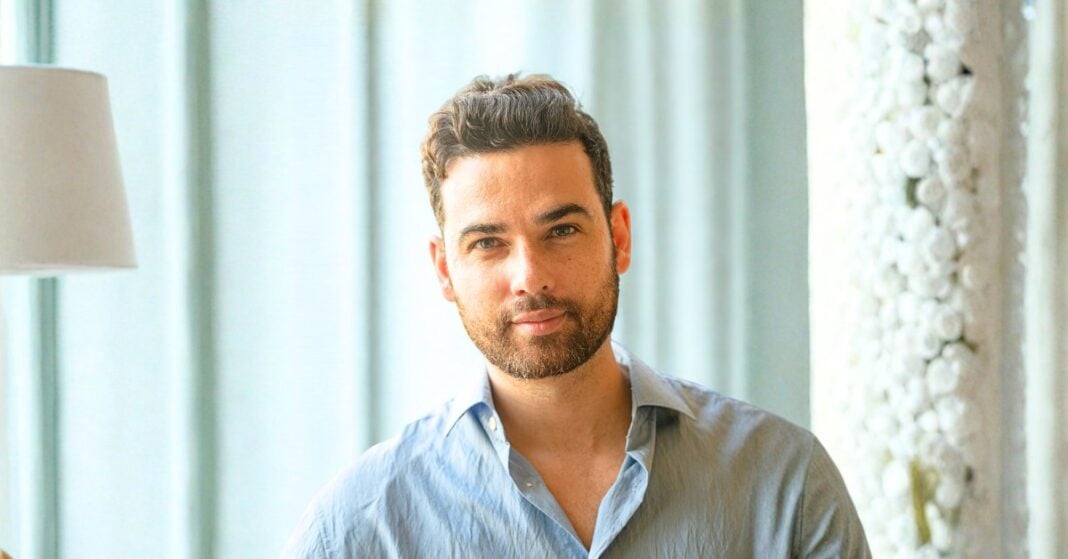
The Belleville synagogue shooting prompted Muslim interfaith writer Imran Owais Kazmi to offer his services to Canadian police, governments and religious communities.
Kazmi says physical security remains essential around places of worship. However, he argues that communities must also address hostility and alienation before they turn into violence.
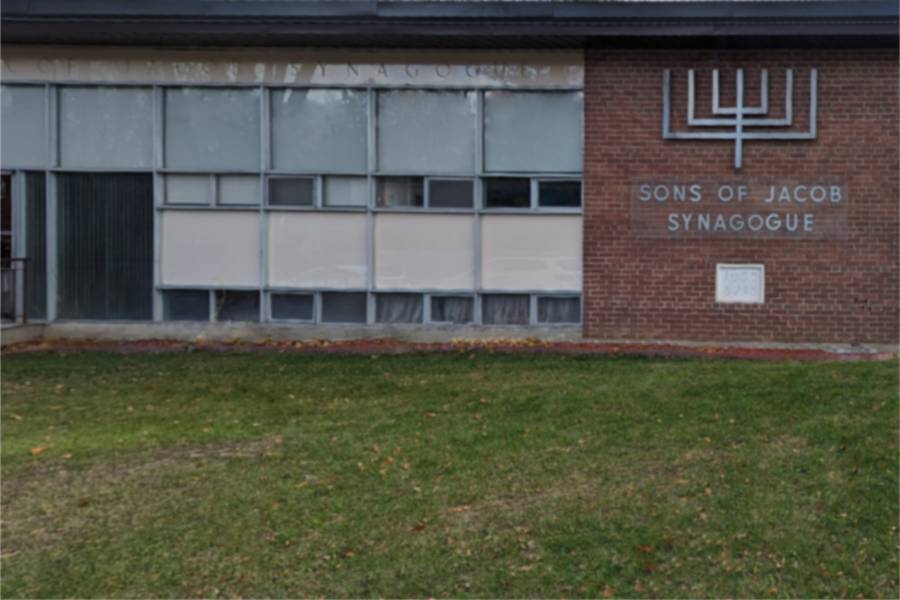
The September 20 incident occurred near the Sons of Jacob Synagogue in Belleville, Ontario, during Yom Kippur.
Ontario’s Special Investigations Unit said a Belleville Police Service officer encountered a 29-year-old man armed with a shotgun at about 7 p.m. An exchange of gunfire followed. Both the man and an officer suffered gunshot wounds.
The SIU said the man died in hospital the following night. The officer remained hospitalized in critical-stable condition when the agency issued its September 22 update.
Authorities have not established whether the synagogue or Jewish worshippers were deliberately targeted. The incident occurred as members of the congregation gathered for Yom Kippur.
Belleville Synagogue Shooting Raises Prevention Question
Kazmi contacted Belleville Police after the shooting and voluntarily offered assistance.
He said the incident raised a wider question extending beyond one synagogue or one Canadian city.
Police can protect religious institutions through officers, cameras and physical security measures, Kazmi said. But authorities cannot permanently station officers outside every synagogue, mosque, church and temple.
That leaves another part of prevention to communities themselves.
“My weapon is dialogue,” Kazmi said. “I try to confront dangerous thoughts before somebody converts them into dangerous actions.”
Kazmi describes himself as an interfaith writer and speaker and founder of WomenAreVotes and Islam2dot0.
He said he deliberately refused to attribute an antisemitic, religious or political motive to the Belleville gunman before investigators establish one.
Instead, he wants the incident to encourage earlier engagement between religious communities.
“Jewish lives matter. Muslim lives matter. Christian lives matter. Hindu lives matter. Human life matters,” Kazmi said.
He argues that police necessarily focus on dangerous behaviour, while writers, educators, religious leaders and interfaith advocates can address attitudes that sometimes precede such behaviour.
Volunteer Offer to Canadian Communities
Kazmi has offered to speak voluntarily with police personnel, Jewish and Muslim communities, Christian organizations, students, journalists and public forums.
He said he is not seeking payment for the work.
The offer extends beyond Belleville to police services, governments and community organizations elsewhere in Canada.
Kazmi was leaving Canada when he made the offer but said he holds a Canadian visitor visa valid through 2034 and could return if an organization believed his presence would help.
The Sons of Jacob Congregation describes itself as the spiritual centre of Jewish life across Belleville and the wider Quinte region. The congregation traces its history to 1905 and has occupied its current Victoria Avenue synagogue since the 1950s.
Kazmi said security around places of worship remains indispensable, but communities should also work on another form of security much earlier.
That means encouraging people of different faiths to understand that disagreement does not require hostility, he said.
For Kazmi, the lesson from the Belleville synagogue shooting is that preventing violence should begin before anyone reaches for a weapon.