
When planning a massive home renovation or designing a custom build from the ground up, homeowners obsess over the smallest exterior details. They spend weeks debating the exact shade of the brick, analyzing the trim around the front door, and carefully planning the layout of the front walkway. Yet, when it comes to the roof, they default to whatever standard, flat asphalt material the builder recommends. This is a massive missed design opportunity. The roof easily makes up forty to fifty percent of your home’s visible exterior. It is literally the largest single design element on the property.
Treating the roof as an afterthought results in a home that looks exactly like every other house in the neighborhood. If you want to make a genuine architectural statement, you have to rethink the materials you place on top of the house. Opting for custom shingles completely shifts the dynamic of your exterior design. It takes a purely functional structural requirement and transforms it into a sprawling, highly visible artistic canvas. Let us break down exactly how moving away from factory-standard roofing materials adds a profound level of artistry and character to your home.

Breaking Free from Rigid Geometry
Standard roofing materials are designed for mass production and rapid installation. They come in perfectly straight, uniform lines. When applied to a house, this creates a rigid, highly predictable grid pattern that does nothing to enhance the underlying architecture.
Customizing your roofing materials allows you to completely shatter that boring geometric grid. Instead of straight horizontal lines, you can specify individual pieces cut into distinct shapes. Scalloped edges, aggressive diamond points, or staggered butts create visual movement across the roofline. When a contractor installs pieces of varying widths and lengths, it creates a beautifully erratic, staggered pattern that immediately draws the eye upward. This specific technique breaks up the visual monotony of a massive roof expanse, giving the home a bespoke, heavily customized appearance that simply cannot be replicated by pulling material off a pallet at a local hardware store.
Mastering Texture and Deep Shadow Lines
A flat roof looks incredibly low-quality. When the midday sun hits a standard asphalt roof, the surface looks completely two-dimensional. True architectural beauty heavily relies on texture and the natural interplay of light and shadow.
When you upgrade to premium, custom-cut materials like hand-split cedar shakes or thick slate, you introduce aggressive, organic texture to the exterior. Hand-split wood inherently features deep grooves, uneven ridges, and varying thicknesses. Because each piece is slightly different, they do not sit perfectly flat against one another. This slight variation creates deep, dramatic shadow lines across the entire roof. As the sun moves across the sky from dawn to dusk, the angle of the light catches these textured ridges differently, meaning the visual depth of your roof actually shifts and changes throughout the day. It turns a static surface into a dynamic, living part of your home’s design.
Achieving the Organic, Sweeping Aesthetic
Certain high-end architectural styles, particularly those inspired by the English countryside or historic cottages, require a softer, much more organic approach to the roofline. Sharp, ninety-degree angles at the eaves and gables completely ruin the soft, historic aesthetic of these homes.
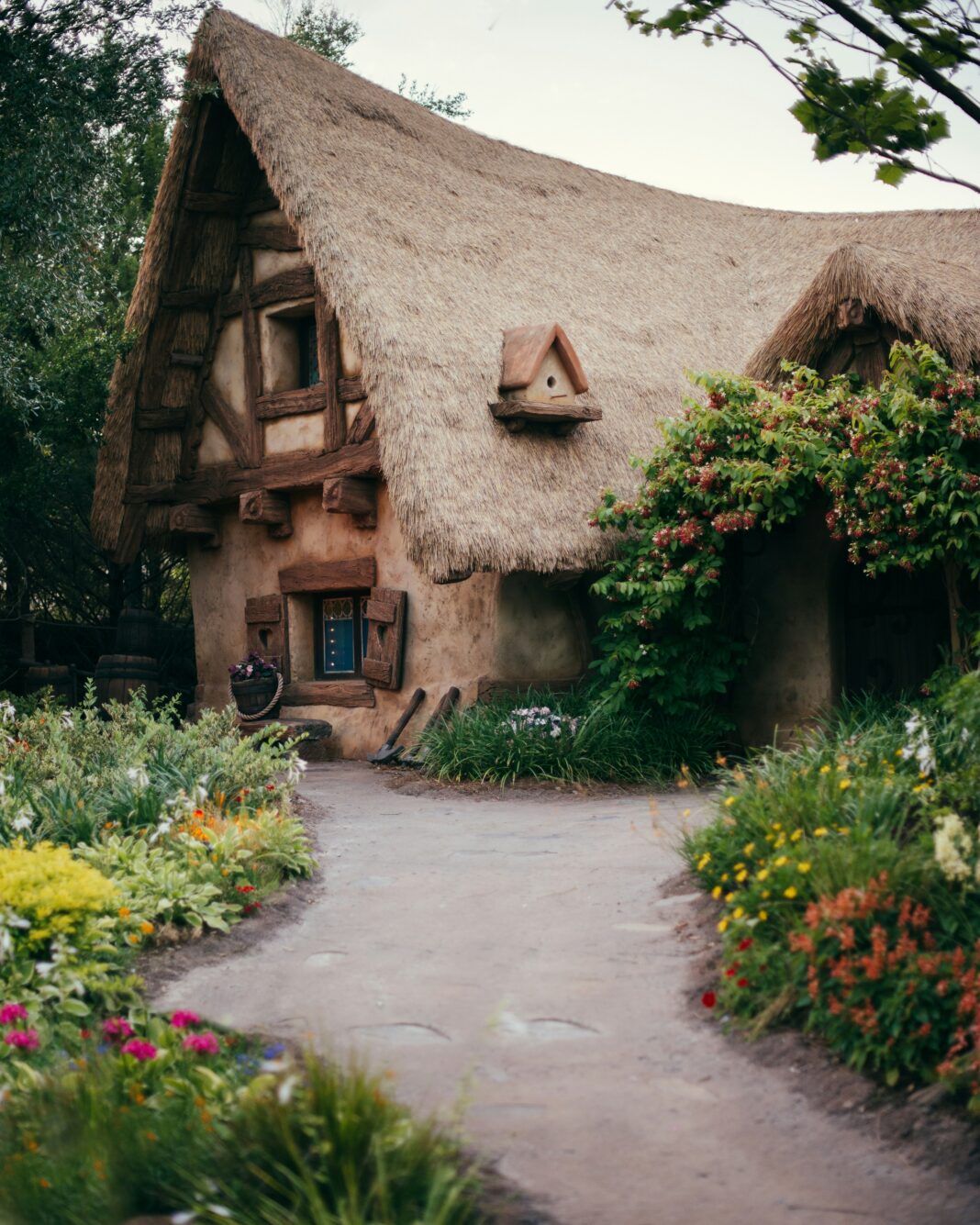
This is where the true artistry of custom roofing shines. Master roofers can utilize specialized techniques, like steam-bending the wood, to completely eliminate harsh angles. By applying intense heat and moisture, thick wooden shingles can be permanently bent to wrap smoothly over the edges of the roof, around dormer windows, and along the eaves. This specific application creates a roof that looks as though it was draped over the house or naturally grew there over centuries. The sweeping, rolling curves provide an unmatched level of storybook charm that instantly transforms a standard suburban build into a breathtaking architectural landmark.
Embracing the Natural Patina Process
When you buy a synthetic roofing product, the color you see on day one is the absolute best it will ever look. From that point forward, the harsh ultraviolet rays of the sun slowly degrade the artificial dyes, resulting in an awkward, uneven fading process.
Natural, custom materials age completely differently. They do not degrade; they develop a rich patina. A brand new cedar roof starts with warm, vibrant amber and red tones. Over the course of a few years, constant exposure to the sun and rain slowly transitions those warm tones into a stunning, highly sought-after silver-gray. This natural aging process means your home actually looks better and more distinguished as time goes on. The weathered patina allows the architecture to settle perfectly into the surrounding landscape, making the house feel like a permanent, rooted fixture of the environment rather than a sterile, brand-new construction project.
A Statement Piece
True curb appeal is not achieved by simply planting a few expensive bushes near the front porch or painting the front door a bright color. It requires a cohesive design strategy where every single element of the exterior works together. Leaving the largest visible surface of your home covered in cheap, factory-stamped materials completely undercuts the rest of your design efforts.
By treating the roof as a feature of the house, you open up incredible artistic possibilities. Choosing custom-shaped cuts, embracing thick organic textures, utilizing steam-bent rolling edges, and allowing natural materials to weather beautifully elevates the entire property. It is a bold, permanent design choice that completely separates your home from the surrounding neighborhood, ensuring that your property is recognized for its unique, handcrafted architectural beauty.