
Understanding your skin type forms the foundation of effective skincare, yet many people struggle to identify their specific needs or choose appropriate products. The cosmetic industry offers an overwhelming array of products, each claiming to address various skin concerns. However, without proper knowledge of your skin’s characteristics and requirements, even the most expensive products may fail to deliver desired results or, worse, could exacerbate existing issues.
Selecting the right cosmetic products requires more than just understanding basic skin types. It involves recognizing subtle variations, temporary changes due to environmental factors, hormones, or age, and understanding how different ingredients interact with your unique skin chemistry. This comprehensive approach ensures that your skincare routine supports your skin’s health and appearance effectively.
What Are the Main Skin Types and Their Characteristics?
Normal skin represents the ideal balance, characterized by adequate moisture levels, minimal sensitivity, barely visible pores, and an even complexion. People with normal skin typically experience few breakouts and have a smooth, soft texture. However, even normal skin can benefit from proper care to maintain its healthy state and prevent future issues.
Dry skin lacks sufficient natural oils and moisture, resulting in a tight feeling, especially after cleansing. This skin type often shows fine lines more prominently, has a dull appearance, and may experience flaking or rough patches. Dry skin can be caused by genetics, environmental factors, aging, or certain medications.

Oily skin produces excess sebum, leading to a shiny appearance, enlarged pores, and increased susceptibility to acne and blackheads. While oily skin may seem problematic, it often ages more slowly due to natural moisturization from sebum production. The key is managing oil production without over-stripping the skin.
Combination skin presents different characteristics in various facial zones, typically with an oily T-zone (forehead, nose, and chin) and normal to dry cheeks. This skin type requires targeted care, addressing each area’s specific needs rather than applying a one-size-fits-all approach.
Sensitive skin reacts easily to various triggers, including products, weather, stress, or hormones. Symptoms may include redness, burning, stinging, or itching. Sensitive skin can occur alongside any other skin type, requiring gentle, fragrance-free formulations with minimal ingredients.
How Do You Accurately Determine Your Skin Type?
The bare-face test provides a simple way to assess your skin type. Cleanse your face with a gentle cleanser and avoid applying any products for 30 minutes to an hour. Observe how your skin feels and looks during this time. Does it feel tight and look dull? You likely have dry skin. Does it become shiny all over? You probably have oily skin. Shine only in the T-zone suggests combination skin.
Professional skin analysis offers more detailed insights, using specialized equipment to measure moisture levels, oil production, and other factors. Dermatologists and licensed estheticians can provide comprehensive assessments that account for factors not visible to the naked eye.
Consider environmental and lifestyle factors that might influence your skin. Seasonal changes, stress levels, hormonal fluctuations, medications, and even dietary choices can temporarily alter your skin’s behavior. Understanding these variables helps in selecting products that can adapt to your changing needs.
What Ingredients Should Each Skin Type Prioritize?
Dry skin benefits from ingredients that enhance moisture retention and repair the skin barrier. Hyaluronic acid draws moisture from the environment and deeper skin layers to the surface. Ceramides help restore and maintain the skin’s protective barrier. Glycerin acts as a humectant, attracting moisture to the skin. Rich oils like shea butter, coconut oil, or argan oil provide nourishment and prevent moisture loss.
Oily skin requires ingredients that control excess oil production while maintaining adequate hydration. Salicylic acid helps unclog pores and reduce oil buildup. Niacinamide regulates sebum production and minimizes pore appearance. Clay masks containing bentonite or kaolin help absorb excess oil. Lightweight, water-based moisturizers prevent over-drying that can actually trigger increased oil production.
Combination skin needs a balanced approach, often requiring different products for different areas. Gentle cleansers that don’t over-strip natural oils work well for the entire face. Use targeted treatments: oil-controlling products for the T-zone and more moisturizing products for drier areas. Ingredients like retinol can benefit the entire face when introduced gradually.
Sensitive skin requires gentle, non-irritating ingredients. Look for products labeled “hypoallergenic” or “for sensitive skin.” Beneficial ingredients include allantoin, which soothes inflammation; oatmeal, which calms irritation; and zinc oxide, which provides gentle protection. Avoid fragrances, essential oils, alcohol, and harsh acids that can trigger reactions.
How Should Product Selection Vary by Age and Life Stage?
Teenage skin often struggles with hormonal acne and increased oil production. Gentle cleansers containing salicylic acid or benzoyl peroxide can help control breakouts. Non-comedogenic moisturizers prevent over-drying while maintaining hydration. Sunscreen becomes crucial for preventing future damage.
Adult skin in the 20s and 30s benefits from preventive care. Antioxidants like vitamin C protect against environmental damage. Retinoids can begin addressing early signs of aging. Proper cleansing and moisturizing routines establish healthy habits for long-term skin health.
Mature skin requires more intensive care to address signs of aging. Retinoids become increasingly important for stimulating collagen production. Peptides can help firm and smooth the skin. Richer moisturizers combat decreased natural oil production. Treatments for hyperpigmentation and fine lines become priorities.
Hormonal changes during pregnancy or menopause require product adjustments. Pregnant women should avoid retinoids and certain acids. Menopausal skin may need richer formulations due to decreased estrogen levels affecting skin thickness and oil production.
What Role Does Climate and Environment Play in Product Choice?
Humid climates may cause oily skin to become oilier and combination skin to shift toward oilier overall. Lighter formulations and oil-controlling ingredients become more important. Regular exfoliation helps prevent clogged pores caused by increased sweating.
Dry climates can make even oily skin feel tight and uncomfortable. Humectants become crucial for drawing moisture from the air. Occlusives like petrolatum or dimethicone help prevent moisture loss. Room humidifiers can complement topical treatments.
Seasonal changes require routine adjustments. Winter often demands richer formulations and more frequent moisturizing. Summer may call for lighter products and increased sun protection. Transition periods require gradual product changes to avoid skin irritation.
Urban environments with high pollution levels benefit from antioxidant-rich products and thorough cleansing routines. Rural areas with less pollution might require less intensive cleansing but more protection against sun and wind exposure.
How Do You Introduce New Products Safely?
The patch test method helps prevent adverse reactions when trying new products. Apply a small amount of the product to a discrete area, such as behind the ear or on the inner wrist. Wait 24-48 hours to observe any reactions before applying to your face.
Gradual introduction prevents overwhelming the skin with too many new ingredients simultaneously. Introduce one new product at a time, allowing 1-2 weeks between additions. This approach makes it easier to identify which products cause beneficial or adverse effects.
Start with lower concentrations of active ingredients, particularly acids or retinoids. Begin with every other day or every third day application, gradually increasing frequency as your skin builds tolerance. This approach minimizes irritation while allowing your skin to adapt.
Monitor your skin’s response carefully during the introduction period. Keep a skincare journal noting products used, application frequency, and any changes in your skin’s appearance or feel. This documentation helps identify patterns and optimize your routine.
Are Expensive Products Always Worth the Investment?
Price doesn’t always correlate with effectiveness in skincare. Many affordable products contain the same active ingredients as their expensive counterparts. The key lies in understanding ingredient concentrations, formulation quality, and your skin’s specific needs rather than focusing solely on price point.
However, higher-priced products sometimes offer advantages such as better ingredient stability, more elegant textures, or innovative delivery systems. Research-backed brands may invest more in clinical testing and quality control. Consider your budget alongside your skin’s needs when making purchasing decisions.
Reading ingredient lists and understanding what your skin requires often proves more valuable than relying on marketing claims or price tags. A well-formulated drugstore product may outperform an expensive cream if it better addresses your specific skin concerns and type.
What Common Mistakes Should You Avoid?
Over-cleansing represents one of the most common skincare mistakes, as excessive washing can strip the skin’s natural protective barrier, leading to increased oil production, sensitivity, and irritation. Limit cleansing to twice daily with gentle, appropriate formulations.
Using too many active ingredients simultaneously can overwhelm the skin and cause irritation, redness, or breakouts. Focus on one or two key active ingredients and build your routine gradually, allowing your skin time to adapt to each new addition.
Neglecting sunscreen remains a critical oversight that undermines all other skincare efforts. Daily broad-spectrum SPF protection prevents premature aging, hyperpigmentation, and skin damage, making it the most important step in any skincare routine.
Inconsistent product use prevents you from seeing true results, as most skincare ingredients require weeks or months of regular application to show their full benefits. Patience and consistency prove more valuable than constantly switching products.
Which Professional Treatments Can Complement Home Care?
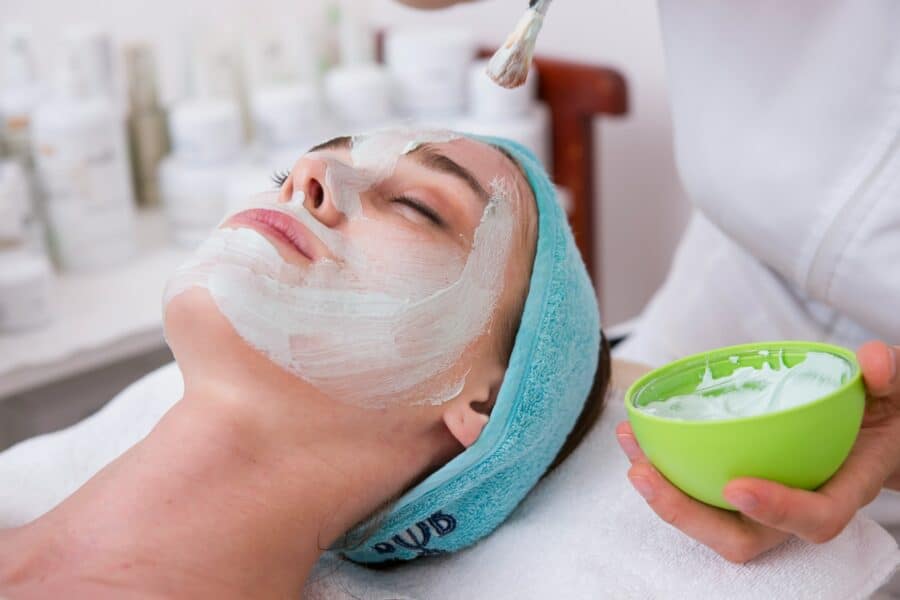
Regular professional facials provide deep cleansing, exfoliation, and targeted treatments that enhance your at-home skincare routine. Licensed estheticians can assess your skin’s changing needs and adjust treatments accordingly, ensuring optimal results from your daily regimen.
Chemical peels performed by professionals can address specific concerns like hyperpigmentation, fine lines, or acne scarring more effectively than at-home treatments. These procedures require proper assessment and aftercare to ensure safety and maximize benefits.
Microneedling and other professional treatments stimulate collagen production and enhance product penetration, making your home skincare products more effective. These treatments should complement rather than replace a consistent daily routine.
Professional consultations help identify underlying skin issues that may not be apparent and provide personalized recommendations based on your unique skin characteristics, lifestyle, and goals.
How Do You Know When Your Routine Needs Adjustment?
Seasonal changes often require modifications to address varying environmental conditions. Pay attention to how your skin feels and looks as weather patterns change, adjusting product formulations and application frequency accordingly.
Life stage transitions such as puberty, pregnancy, menopause, or aging require routine reassessment. Hormonal fluctuations can significantly impact skin behavior, necessitating changes in product selection and treatment approaches.
Persistent skin issues despite consistent product use may indicate the need for professional evaluation or routine modification. If concerns don’t improve within 6-8 weeks of consistent use, consider consulting a dermatologist or licensed esthetician.
What Makes a Skincare Routine Truly Effective for Your Individual Needs?
Personalization based on your unique skin characteristics, lifestyle, and concerns creates the most effective skincare routine. Understanding that your skin’s needs may evolve over time allows for appropriate adjustments that maintain optimal skin health and appearance throughout different life stages and environmental conditions.