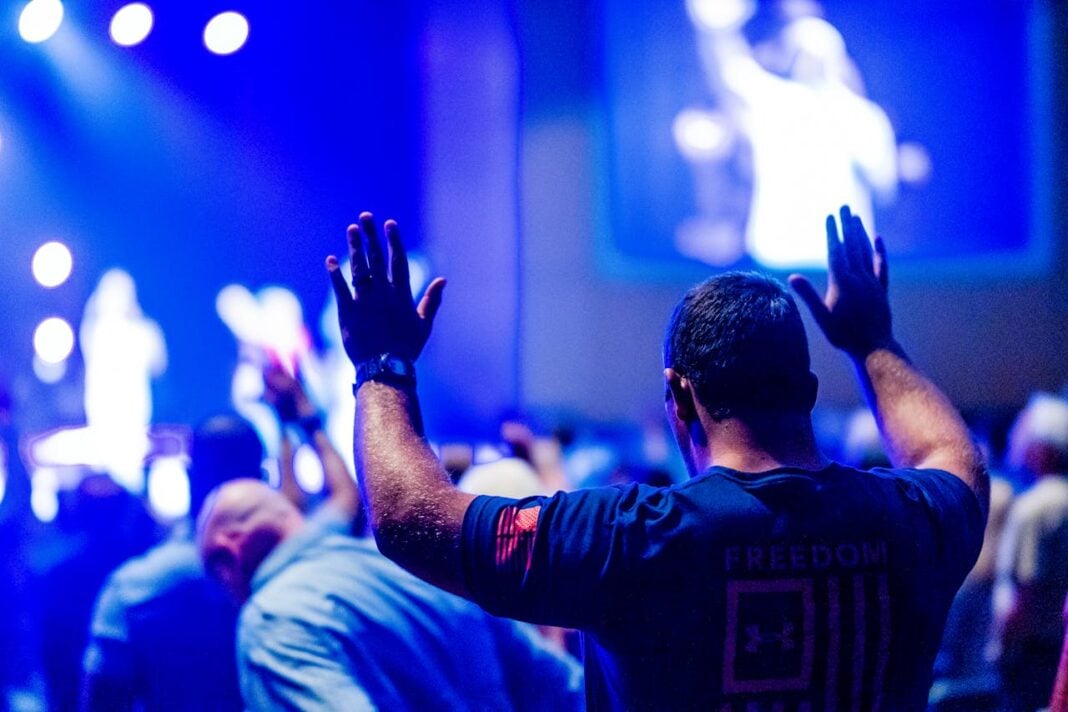

Human rights and personal faith are two powerful forces that shape how individuals experience the world around them. Human rights provide a framework for dignity, equality, and freedom, while personal faith offers meaning, purpose, and moral guidance. Together, they influence how people live, interact, and understand their place within society.
In today’s global landscape, the relationship between these two elements is increasingly important. As societies become more diverse and interconnected, balancing universal rights with deeply personal beliefs requires thoughtful consideration. Exploring this intersection helps reveal both the challenges and opportunities that arise when individual convictions meet broader principles of equality and justice.
Understanding Human Rights and Their Purpose
Human rights are designed to protect the inherent dignity of every individual. These rights include freedoms related to expression, belief, and association, as well as protections against discrimination and harm. They are intended to apply universally, ensuring that all people are treated with fairness and respect regardless of their background.
At their core, human rights aim to create conditions where individuals can live freely and safely. This includes the ability to hold and practice personal beliefs without fear of restriction or persecution. However, the application of these rights can vary depending on social, political, and cultural factors, leading to differences in how they are experienced around the world.
Understanding the purpose of human rights provides a foundation for examining how they interact with personal faith. While the two often align, there are instances where tensions arise, highlighting the need for careful balance and ongoing dialogue.
The Role of Personal Faith in Individual Identity
Personal faith is a deeply meaningful aspect of identity for many individuals. It shapes values, influences decision-making, and provides a sense of connection to something greater than oneself. Faith can guide individuals through life’s challenges and offer a source of comfort and stability.
Because faith is so closely tied to identity, the ability to express it freely is essential for personal well-being. When individuals are able to practice their beliefs openly, they are more likely to feel a sense of authenticity and belonging. This alignment between internal beliefs and external actions contributes to a healthier and more fulfilling life.
However, when restrictions or pressures limit the expression of faith, it can create internal conflict. Individuals may feel forced to compromise their beliefs or conceal an important part of their identity. This highlights the importance of protecting the right to practice faith as part of a broader human rights framework.
Challenges in Upholding Both Principles
While human rights and personal faith often complement each other, there are situations where maintaining both can be complex. Differences in belief systems can lead to misunderstandings or conflicts, particularly in diverse societies. These challenges require careful navigation to ensure that all individuals feel respected and protected.
Legal systems and institutions play a significant role in addressing these complexities. Policies must be designed to protect individual freedoms while promoting inclusivity and fairness. Achieving this balance can be difficult, especially when cultural or political factors influence how rights are interpreted and enforced.
The discussion of statistics on Christian persecution also reflects broader challenges in ensuring consistent protection for all belief systems. It underscores the importance of addressing both overt and subtle forms of discrimination, recognizing that limitations on one group’s freedoms can have wider implications.
The Importance of Dialogue and Mutual Respect
Open dialogue is essential for navigating the intersection of human rights and personal faith. By encouraging conversations about beliefs and values, societies can foster greater understanding and reduce the potential for conflict. These discussions help individuals appreciate diverse perspectives and find common ground.
Mutual respect is a key component of this process. When individuals approach differences with empathy and openness, it creates an environment where both human rights and personal faith can coexist. This respect allows for the expression of beliefs without fear while promoting a sense of unity within diverse communities.
Education also plays a vital role in supporting this dialogue. By learning about different traditions and perspectives, individuals become more equipped to engage thoughtfully with others. This understanding contributes to a more inclusive and harmonious society.
Conclusion
The intersection of human rights and personal faith is a dynamic and evolving aspect of modern society. While both principles aim to support individual dignity and freedom, balancing them requires careful consideration and ongoing dialogue. Understanding this relationship helps reveal the importance of protecting both rights and beliefs in a diverse world.
By fostering respect, encouraging open conversation, and strengthening protections, societies can create environments where individuals are free to live according to their values. This balance ensures that both human rights and personal faith remain essential components of a just and inclusive global community.