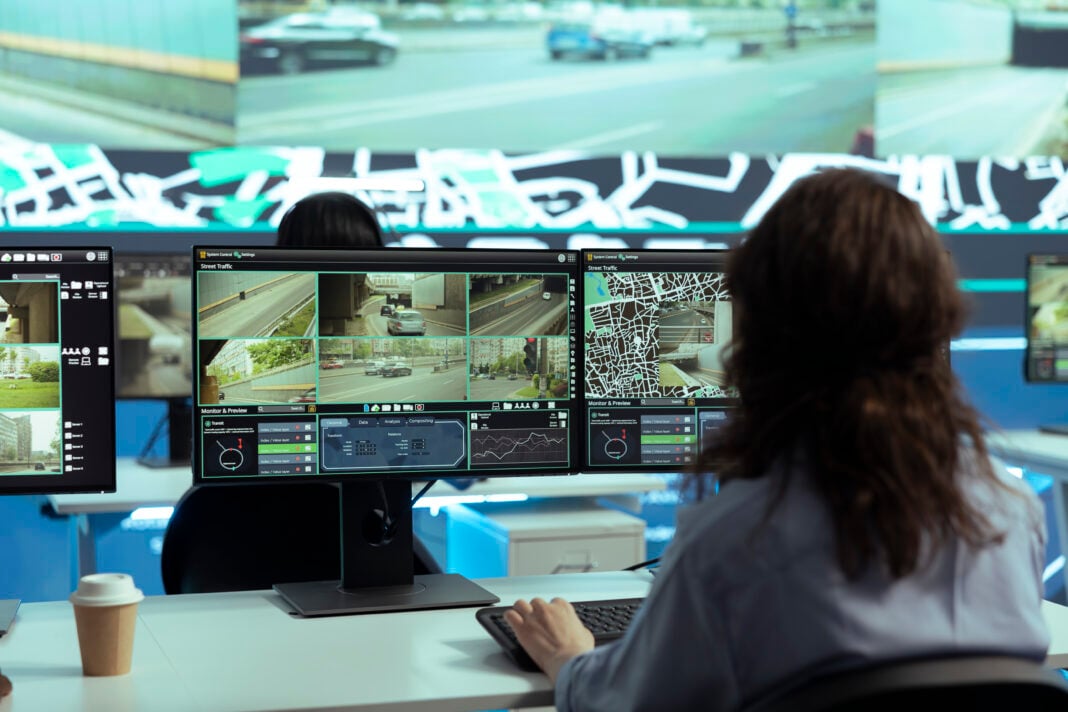

Surveillance cameras have become ubiquitous in modern life. They protect homes and businesses, monitor public spaces, deter crime, and generate evidence when incidents occur. But their use is not unlimited. The law in most jurisdictions imposes restrictions on where cameras can be placed, who can operate them, what can be recorded, and how the footage can be used. Understanding these rules protects both those who install surveillance systems and those who are recorded by them.
At alanguageexpress.com you will find a legal and investigative information blog covering surveillance law, covert monitoring, privacy rights, and the legal framework governing discreet investigation services.
The Legal Framework for Surveillance Cameras
Surveillance law operates at the intersection of privacy law, data protection law, and in some contexts criminal law. The basic principle is that recording in public spaces or on your own property is generally permitted, while recording where people have a reasonable expectation of privacy is restricted or prohibited.
A property owner may install cameras to monitor their own premises: the exterior of their home, their garden, their business premises, their car park. These cameras can capture footage of people on the property and of the public street or pavement directly adjacent. What is captured incidentally in the public area is generally lawful.
A business that installs cameras for security purposes must typically comply with data protection requirements. In jurisdictions covered by GDPR or equivalent laws, camera systems that record identifiable individuals are processing personal data, which triggers the full range of data protection obligations: a lawful basis for processing, privacy notices informing people they are being recorded, retention limits, and data subject rights.
Cameras that capture neighbors’ property, gardens, or windows create legal and neighbor relations issues. While a camera aimed primarily at your own property may incidentally capture some of a neighbor’s area, deliberately positioning cameras to monitor neighbors is a potential breach of privacy law and can constitute harassment in extreme cases.
Covert and Discreet Cameras
Discreet or hidden cameras (sometimes called covert surveillance cameras) are devices designed to record without being visible: cameras concealed in everyday objects such as clocks, smoke detectors, picture frames, or household items. Their use is significantly more legally restricted than visible cameras because of the heightened privacy interests affected by covert recording.
In the workplace, covert monitoring of employees is subject to strict legal requirements. Employment law and data protection law in most jurisdictions permit covert workplace surveillance only where: there is a specific, credible reason to suspect serious wrongdoing, overt monitoring has been considered and would defeat the purpose, the monitoring is proportionate to the issue being investigated, and appropriate authority within the organization has approved it. Routine covert surveillance of employees without specific justification is generally unlawful.
In the home, covert cameras used by homeowners to monitor their own property (for security or to catch intruders) are generally lawful provided they do not record areas where household members or guests have a reasonable expectation of privacy. A covert camera in a bedroom, bathroom, or changing area is unlawful regardless of the purpose stated.
Covert cameras installed by one person to monitor another (for example, a partner, a family member, or a neighbor) without consent raises serious privacy and potentially criminal law issues. Covert recording of individuals in their private spaces without consent may constitute stalking or harassment in some jurisdictions.
Dash Cameras and Vehicle Surveillance
Dash cameras in vehicles record driving footage that can provide valuable evidence in traffic accidents, disputes about road behavior, and insurance claims. They are generally lawful: recording in public from a moving vehicle is permitted in most jurisdictions.
The footage from a dash camera may constitute personal data under data protection law if it captures identifiable individuals (pedestrians, other drivers). This typically does not prevent ordinary personal use of dash cameras, but businesses operating fleets of vehicles with dash cameras need to consider their data protection obligations more carefully.
Vehicle tracking devices (GPS trackers) that monitor the location of a vehicle are subject to different legal considerations. A vehicle owner may track their own vehicle. An employer may track company vehicles, provided employees are informed. Tracking a vehicle you do not own without the owner’s consent is likely to be unlawful in most jurisdictions as a form of stalking or harassment, even if the tracker is physically accessible in a public place.
Surveillance in the Context of Private Investigations
When surveillance cameras and discreet monitoring form part of a professional private investigation, the legal framework governing PIs applies alongside the surveillance-specific rules. A licensed PI conducting surveillance for a client operates within the law: observing and recording subjects in public places, without trespass, without unlawful interception of communications, and without recording in spaces where there is a reasonable expectation of privacy.
Evidence from surveillance cameras and monitoring devices is increasingly central to private investigation work. The admissibility of this evidence in legal proceedings depends on how it was gathered: lawfully obtained footage from a professional PI is generally admissible; footage obtained through unlawful means (trespass, unauthorized access to recording devices) may be inadmissible and creates legal risk for those who commissioned it.
Data Protection and Retention
Organizations and individuals who operate surveillance systems that record personal data must manage that data in accordance with applicable law. Key requirements include: not retaining footage longer than necessary for the purpose for which it was recorded (a common standard is 30 days for general security footage), ensuring footage is securely stored and accessible only to authorized persons, responding to subject access requests from individuals who appear in footage, and deleting footage when it is no longer needed.
Footage that captures a specific incident (a theft, an accident, a dispute) may need to be retained longer for evidential purposes. Footage should be preserved promptly after an incident, as overwriting by new recordings can destroy evidence that would have been valuable.
Disclosure of surveillance footage to third parties (police, insurers, opposing parties in litigation) should be done carefully and within the legal framework governing data disclosure, typically requiring either the subject’s consent, a legal requirement, or a legitimate interest that outweighs the subject’s privacy interest.