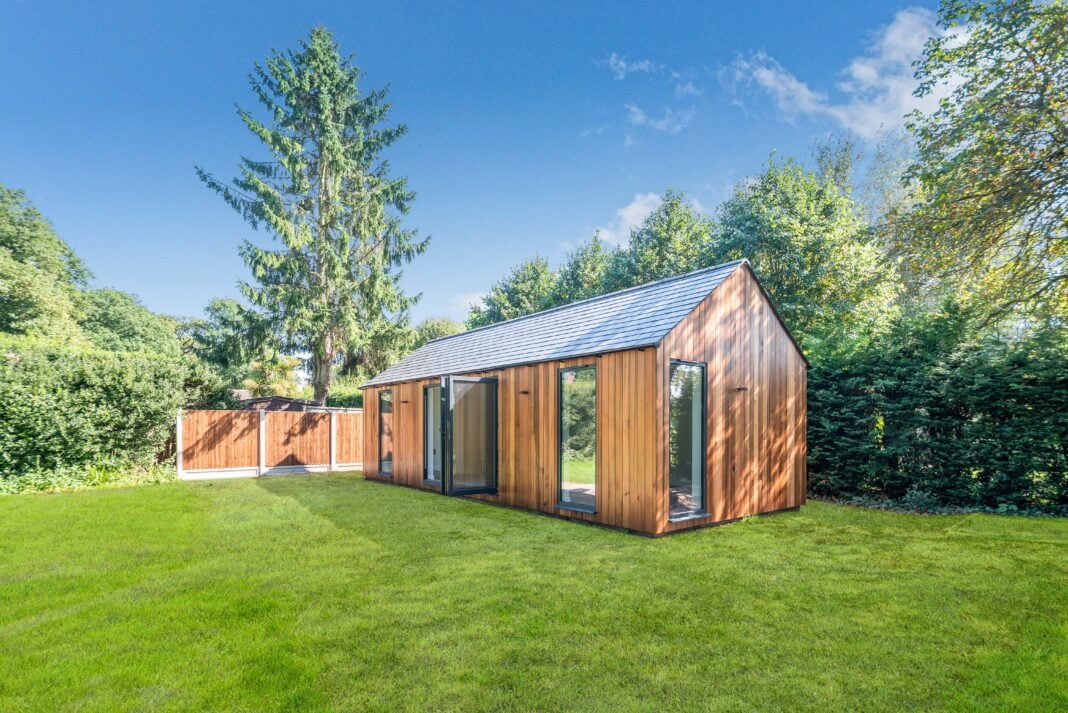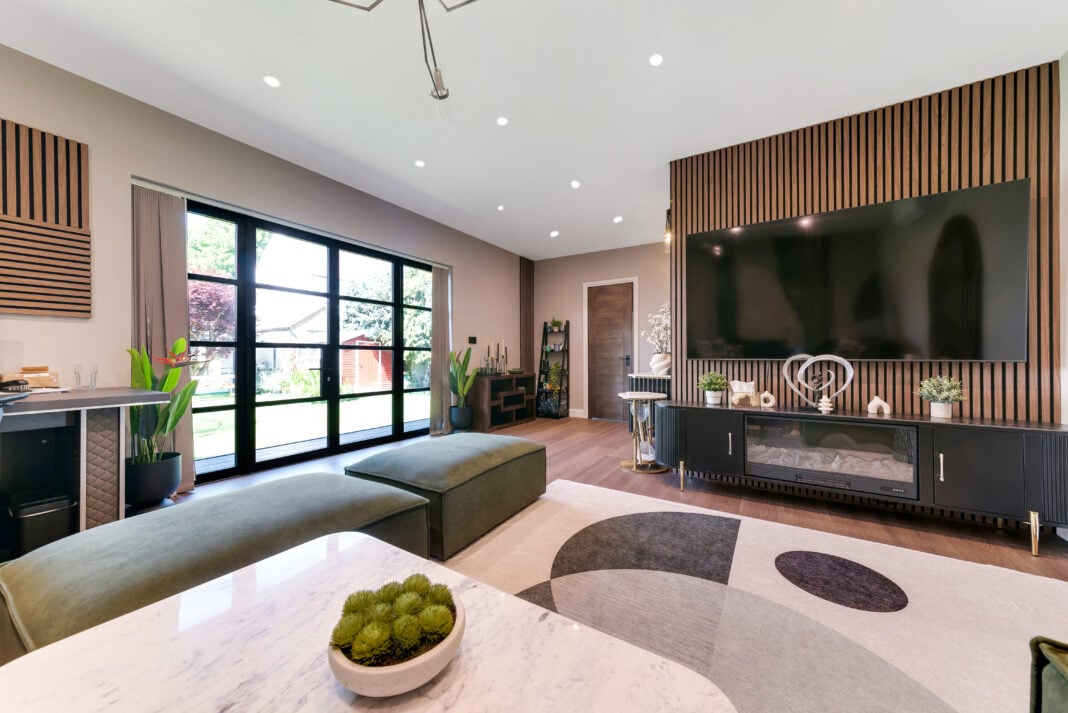

Thinking of adding a garden annexe? The short answer is: it depends on its size, design, and how you plan to use it. Not every structure requires formal planning permission, but the regulations are clear, and getting them wrong could result in enforcement action further down the line. The key difference lies between buildings that qualify under Permitted Development Rights and those classified as independent living accommodation.
If your annexe is designed as self-contained living space — meaning it has its own separate entrance, kitchen or cooking facilities, bathroom, and dedicated parking — it will almost certainly be treated as a separate dwelling. In this case, you will need full planning permission, no matter how large or small it is. Conversely, smaller outbuildings used only occasionally for storage, hobbies, a home office, or occasional guest space without independent facilities may be constructed without an application, provided they meet strict limits.
Permitted Development Rights: When No Permission Is Required
Permitted Development (PD) allows you to erect a single‑storey annexe or outbuilding without submitting a formal planning application, as long as it complies with set criteria. These rules apply to most standard residential properties, but they do not apply everywhere.
Main conditions typically include:
- Height limits: Maximum 4 metres for a dual‑pitched roof; 3 metres for all other roof types; and no more than 2.5 metres if built within 2 metres of a boundary.
- Size and coverage: The floor area must not exceed half the total area of land surrounding the original dwelling, and is generally limited to 30 square metres.
- Position: It must be located behind the principal building line and must not extend forward of the main house.
- Use: It must be ancillary to the main home — not a separate, independent residence. You cannot install a full kitchen or separate utilities if you wish to remain within PD rules.
Important exceptions: Permitted Development rights are often removed or restricted in Conservation Areas, National Parks, Areas of Outstanding Natural Beauty, or if your property is a listed building. In these locations, you will almost always need planning permission, even for smaller structures.
When You Must Apply for Planning Permission
You will definitely need to submit a planning application if:
- The annexe has its own kitchen, bathroom, and separate entrance, making it fully self‑contained.
- It exceeds the height, size, or position limits set out in Permitted Development rules.
- It is situated in a protected or restricted area.
- You intend to rent it out as a separate unit or use it as a permanent independent home.
When assessing your application, the local council will consider how the building fits into its surroundings, its visual impact, access arrangements, parking provision, and whether it affects neighbours’ privacy or natural light.
Confirming Your Position
Even if you believe your annexe falls under Permitted Development, it is sensible to be absolutely sure. If there is any uncertainty about its classification — for example, whether its use counts as independent living — you can apply for a Lawful Development Certificate. This is an official document issued by the council confirming that your building is legal and does not require planning permission.
One final point: Even when planning permission is not needed, Building Regulations will still apply if the space is heated or used for living purposes, to ensure it meets required safety, insulation, and structural standards.