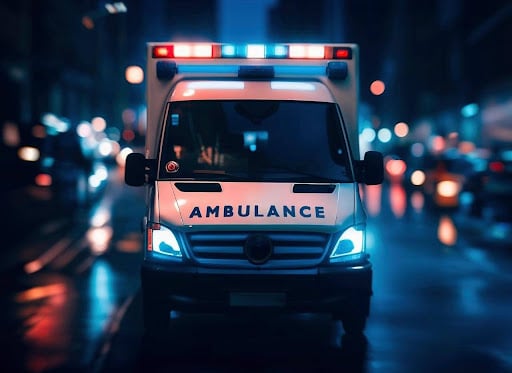

When a mental health crisis hits, many people assume the emergency room is the only immediate option. While ER care can help, many leave feeling overwhelmed by long waits, noise and limited psychiatric support.
What many people don’t realize is that there are mental health crisis alternatives, including Crisis Care Continuums, designed to provide faster, more focused care for emotional emergencies. These services help stabilize distress in calmer settings while connecting people to ongoing support.
This article breaks down why these options often provide better support than the ER.
What are the main disadvantages of using an ER for a mental health crisis?
Emergency rooms are designed to manage life-threatening medical emergencies first. That means someone experiencing panic, suicidal thoughts, severe anxiety or psychosis may wait hours before seeing a clinician trained in behavioral health. During that time, symptoms can worsen.
The environment itself can also increase distress. Bright lights, crowded waiting areas, security procedures and constant activities are rarely ideal for someone in emotional crisis. Many patients feel frightened, misunderstood or overstimulated.
Another limitation is continuity of care. ER teams often focus on immediate safety and medical clearance, then discharge patients with referrals. While that can be necessary, it may not provide the rapid follow-up many people need.
In short, someone in a mental health crisis needs psychiatric urgent care that an ER may not provide.
How do mobile crisis teams provide on-site support?
Mobile crisis intervention teams provide mental health crisis support through experts like the certified mental health crisis support providers at Davis Behavioral Health, bringing trained professionals directly to the person in need. Instead of requiring someone to travel while distressed, these teams respond at home, school, work or another safe location.
A typical team may include licensed clinicians, crisis counselors, social workers or peer specialists. Their first job is to assess immediate risk: Is the person safe? Are there signs of self-harm, violence, intoxication or medical instability? Then they work to de-escalate the situation.
Support may include calming techniques, medication coordination, safety planning, family guidance and connection to follow-up treatment. If hospitalization is not needed, the person can often remain in familiar surroundings with a clear next-step plan.
Many areas connect these services through the 988 Suicide & Crisis Lifeline, which can route callers to local crisis responders.
What is the difference between a crisis stabilization unit and a hospital ward?
Crisis stabilization units are short-term treatment settings specifically built for behavioral health emergencies. They are different from hospital psychiatric wards in both purpose and atmosphere.
A hospital ward usually serves people who need inpatient admission, intensive monitoring or longer treatment. A stabilization unit is designed for shorter stays, often 24 hours to several days, with the goal of reducing acute symptoms quickly and avoiding unnecessary hospitalization.
These settings are commonly quieter, less restrictive and more recovery-focused than traditional inpatient units. Staff are trained in crisis intervention, medication support, counseling and discharge planning.
How can I find a peer-run respite center in my area?
Peer support respite centers are community programs staffed largely by people with lived experience of mental health recovery. They offer short-term, voluntary support in a home-like setting for individuals who need space, safety and understanding before a crisis escalates.
To locate one, start with your county mental health department, local nonprofit agencies or the 988 Suicide & Crisis Lifeline. You can also ask therapists, psychiatrists or community clinics. Check this directory of peer respites by NEC to see if there is one near you.
When is an emergency room still the necessary choice for a mental health crisis?
Emergency rooms remain essential when there is immediate danger or serious medical risk. Visit an ER or call emergency services if someone has attempted suicide, has a weapon, cannot be awakened, is severely intoxicated, is experiencing violent behavior or has symptoms that may be caused by a medical condition.
An ER is also appropriate when no local crisis services are available quickly enough. Mental health crisis alternatives are valuable, but they do not replace emergency medication when life is at risk.
The best crisis system uses the right level of care at the right time. Knowing your local options before a crisis happens can save precious time and reduce suffering.
Conclusion
Knowing where to turn during a mental health crisis can shape the outcomes in meaningful ways. When danger is not immediate, community-based mental health services provide faster, calmer and more effective support than the emergency room.
Some communities also rely on certified mental health crisis support providers at Davis Behavioral Health to strengthen access to compassionate care. Preparing ahead and understanding local choices can minimize fear and make crisis moments easier to navigate.