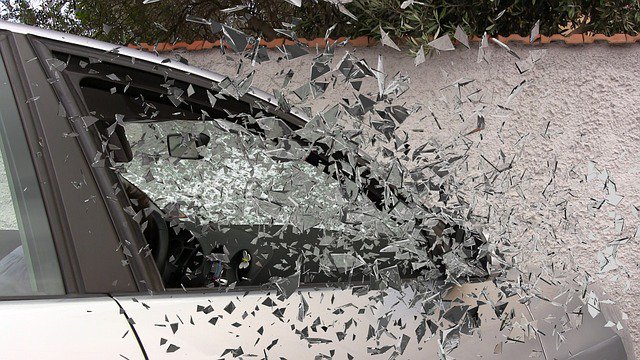

Earlier this year, news of a deadly automobile accident that left thirteen church-going senior citizens dead after a collision with a pickup truck in Texas was met with fresh conversation about how we can better avoid these tragedies in the future. Two others were injured in the accident, and officials continued to investigate long after the news died down.
All but one of the dead were pronounced at the scene, with the thirteenth dying at an area hospital later that day due to injuries sustained. Only a single passenger of the bus was confirmed to have survived.
Before news of the accident broke, three calls were made to area law enforcement, all reporting the erratic driving of the pickup. Law enforcement searched for the vehicle prior to the accident, but couldn’t find it in time to help avert the crash.
The church-goers were on their way back from a church retreat when the accident occurred. After Senior Pastor Brad McLean and other members of the congregation learned of the auto accident, all upcoming events were cancelled for the immediate future so the church could focus on organizing funerals and offering counseling services to surviving family members. The dead ranged in age from 61 to 87.
It was not immediately known what caused the erratic behavior of the pickup driver, but the top cause of driving fatalities in recent years is distracted driving. Most of us expect that alcohol or drugs are primarily to blame, but those days are far in the past. Now, the modern smartphone causes most of the damage, as drivers pay more attention to incoming or outgoing texts than the road. Many accidents occur when drivers split their attention to eat food or drink beverages.
Even so, it is worth noting that the number of automobile deaths per 100,000 residents has declined significantly over the past few decades as state and federal regulations have forced car manufacturers to build vehicles to be safer. In 2015, about eleven people for every 100,000 were killed, compared to twenty-six out of every 100,000 in 1972. That might not seem like much, but the difference is enormous.
The number of auto accident fatalities endured by our communities each year can be staggering to think about at an estimated 1.3 million annually. That’s about 3,300 a day. Although a car accident can leave anyone dead or debilitated, it’s one of the leading causes of death among teens and young adults, and is skewed to the demographic of those aged 15 to 44. For those who survive, about twenty to fifty million people suffer more than minor injuries.
With numbers like those, it’s a surprise that most of us are so comfortable getting into the passenger’s seat. Truly, each and every time we get into a vehicle–no matter who’s driving–we wager our very lives. There is good news on the horizon, though: many automakers are adopting at least partial automation in their newly manufactured vehicles, and that software is guaranteed to reduce the number of deaths and disabilities we endure from our time on the roads. In the coming decades, automated and self-driving vehicles will completely transform the way we travel, and result in a greater number of us staying alive.
For most of us who have already experienced a deadly car accident, that future can’t come soon enough.