

Key Takeaways
- Vertebral artery dissection (VAD) is a rare but serious condition that can result in a stroke, especially in younger individuals.
- The initial symptoms often include severe neck pain and headaches that may occur before any neurological deficits develop.
- Quick recognition and immediate medical care are vital to reduce the risk of complications.
- Prevention includes avoiding neck trauma and managing risk factors such as high blood pressure and smoking.
Table of Contents
- What Is Vertebral Artery Dissection?
- Early Warning Signs of VAD
- Risk Factors and Causes
- Diagnosis of VAD
- Treatment Options
- Preventive Measures
- When to Seek Medical Attention
- Conclusion
What Is Vertebral Artery Dissection?
Vertebral artery dissection (VAD) occurs when a tear forms in the inner lining of one of the vertebral arteries, which supply blood to the brain. Blood then leaks between the layers of the arterial wall, creating the risk of a clot that could block blood flow and potentially cause a stroke. Though VAD is relatively uncommon, it is a leading cause of stroke among people under the age of 50. Those affected may have no prior health problems, making awareness critically important for early intervention. For more detailed information about Vertebral Artery Dissection injuries, it is important to understand the risks and warning signs associated with this condition.
The vertebral arteries run along each side of the neck and are vulnerable to both direct trauma and underlying vascular health issues. Their crucial role in supplying blood to the back of the brain makes any injury or compromise particularly serious. VAD can occur suddenly, sometimes after seemingly minor injuries or abrupt head and neck movements, but in other cases, no clear trigger can be identified.
Health experts emphasize the importance of swift diagnosis and appropriate treatment to minimize the risk of significant brain damage or long-term disability. VAD may go undetected without persistence of symptoms or proper imaging studies, underlining the need for heightened awareness among patients and clinicians alike. For a deeper exploration of common warning signs, risk factors, and treatment strategies, this article covers every aspect, from the first twinges of neck pain to the latest prevention and care methods.
Early Warning Signs of VAD
The sooner VAD is recognized, the better the chances of preventing stroke and long-lasting neurological deficits. Early warning signs can be subtle or severe and may precede any evidence of neurological injury. The most common and earliest symptoms include:
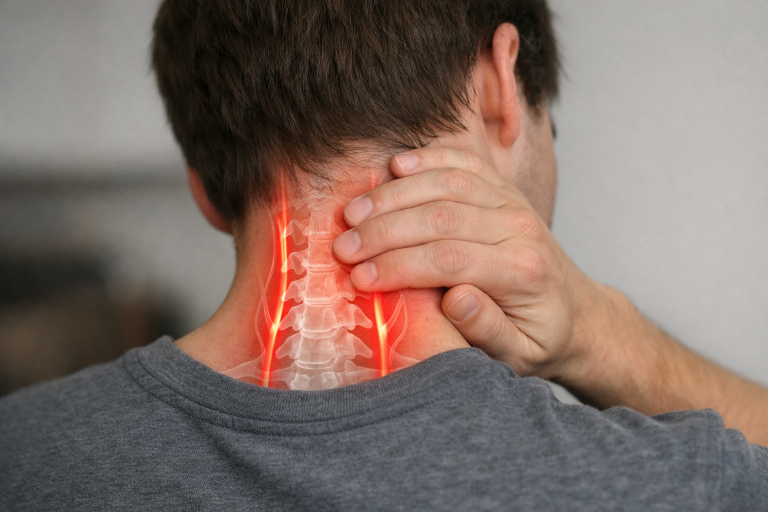
- Powerful, sudden neck pain that often affects only one side of the neck
- Sharp headaches, usually focused at the back of the head
- Sudden onset of dizziness or a spinning sensation (vertigo)
- Double vision or other brief visual disturbances
- Difficulty articulating speech or swallowing food
- Problems with balance or loss of coordination, which may make walking difficult
These initial symptoms may persist for several hours or days before they potentially progress to numbness, weakness on one side of the body, or other more serious neurological findings. It is critical to take these complaints seriously, even if they seem minor or can be attributed to normal strain, especially if they occur after trauma. For additional insight into warning signs and diagnosis, reliable resources like Harvard Health offer detailed explanations for patients and caregivers.
Risk Factors and Causes
Vertebral artery dissection can arise in individuals with no traditional risk factors, but certain conditions and behaviors substantially increase vulnerability. These include:
- Neck Trauma: This includes not just major accidents but also minor injuries during contact sports, falls, or even rapid, forceful neck movements such as those performed during chiropractic manipulation.
- Connective Tissue Disorders: Genetic conditions like Ehlers-Danlos syndrome and Marfan syndrome, which weaken the structure of arteries, creating a predisposition to tears.
- Recent Infections: Especially respiratory or upper airway infections that can cause inflammation in the arterial wall.
- High Blood Pressure: Chronic hypertension increases stress on arterial walls and can make the arteries more susceptible to injury.
- Smoking: Both acute and chronic tobacco use harm blood vessels, making clot formation more likely and recovery more difficult.
Understanding and reducing exposure to these risk factors is key to lowering the chances of developing VAD. Up-to-date clinical resources, such as the Cleveland Clinic, provide a thorough overview of related conditions and preventative strategies.
Diagnosis of VAD
A combination of clinical vigilance and advanced imaging is required for diagnosis. The process usually involves:
- Physician Examination and History: The doctor evaluates the pattern and severity of symptoms, as well as any relevant injury history or risk factors.
- Imaging Studies: Magnetic resonance angiography (MRA) and computed tomography angiography (CTA) are the gold standard for visualizing a dissection, identifying arterial narrowing, or pinpointing where blood may be leaking between arterial wall layers.
- Doppler Ultrasound: Used in some cases to assess blood flow within the vertebral arteries and detect abnormal flow patterns.
Rapid and accurate diagnosis improves the odds of a positive outcome. If you believe you may be experiencing VAD or have unexplained head or neck pain along with neurological symptoms, prompt evaluation by a medical professional is essential. For more on diagnosis protocol, reliable sources like Medscape outline the full workup in clinical settings.
Treatment Options
Once identified, VAD is typically managed with the twin goals of preventing stroke and enabling the arterial lining to heal. Treatment approaches may include:
- Medication: Patients are frequently started on antiplatelet agents such as aspirin or anticoagulant medications to reduce the risk of clot formation within the artery.
- Monitoring: Regular follow-up imaging is vital to ensure the artery is healing and blood flow is being maintained appropriately.
- Interventional Procedures: In rare, non-responsive cases, stenting or surgery may be used to restore blood flow and reinforce the damaged section of the artery.
Fortunately, most patients recover with medical management within three to six months. Scarring or narrowing of the artery is rare if the healing process occurs without further injury or clot formation.
Preventive Measures
While not all VAD cases can be avoided, steps can be taken to reduce risk:
- Avoid Neck Trauma: Use protective gear during sports, and exercise caution with chiropractic or similar manipulative treatments.
- Manage Blood Pressure: Maintain blood pressure within recommended levels through lifestyle changes, medication, and regular check-ups.
- Avoid Smoking: Stopping smoking lowers the risk not only for VAD but for a wide range of vascular problems.
- Routine Assessments: Individuals with connective tissue disorders or a family history of vascular disease should have more frequent monitoring.
By remaining vigilant and proactive regarding these strategies, individuals at increased risk can often prevent serious complications. The importance of timely medical evaluation after any neck injury cannot be overstated, even when symptoms seem mild.
When to Seek Medical Attention
If you experience intense, unexplained neck pain or headaches, especially after injury, seek medical evaluation immediately. This is especially true if the pain is accompanied by dizziness, balance problems, trouble speaking, or vision changes. Early intervention is the best defense against permanent neurological damage.
Conclusion
Vertebral artery dissection is a rare but deeply impactful condition, especially among otherwise healthy young and middle-aged adults. Recognizing the early warning signs and understanding risk factors can be lifesaving. Appropriate prevention, rapid diagnosis, and modern treatment options provide hope for full recovery for most patients. As awareness grows, so do the chances for timely and effective care, minimizing serious outcomes like stroke and long-term disability.