

Private jet charter services are experiencing an unprecedented surge in popularity across the U.S., a trend driven by a post-pandemic desire for flexibility, privacy, and direct travel. According to José Julián Benavides, an accomplished Aeronautical Mechanic and Private Pilot, this boom highlights the critical, often unsung, role of skilled maintenance professionals in keeping the skies open for a new era of personalized air travel.
Benavides, a Lead Maintenance Specialist at Plane Travel LLC, attributes the growth directly to evolving traveler priorities. “The charter market has grown because more people want flexibility and privacy in their travel,” he explains. “After the pandemic, travelers began valuing smaller crowds and direct flights to avoid delays at major airports.”
The Rise of “Private Jet By The Seat”
Adding to the accessibility of private aviation is the innovative “private jet by the seat” model. Benavides notes that this concept emerged around 2015. “Some companies introduced the ‘private jet by the seat’ idea around 2015 to make private aviation more affordable by filling unused capacity,” he says. However, a crucial distinction exists: “Not every charter operator can do this. In the U.S., to legally sell seats individually, you need different certifications—usually a Part 135 operator with specific approvals.” This ensures safety and regulatory compliance for shared private flights.
The Unseen Challenges: Maintenance in a Growing Market
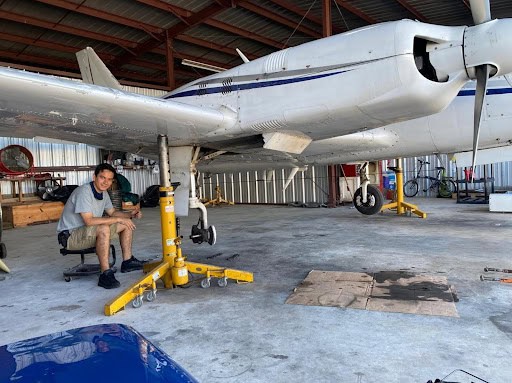
As more private jets take to the skies, the demands on maintenance increase, bringing unique challenges. Benavides identifies the top issues: “The most common maintenance challenges include avionics upgrades or electrical issues, corrosion in older jets, and engine wear due to frequent short flights.” He adds that the operational environment for charters can exacerbate these problems. “Because charters often operate in and out of smaller airports, environmental factors like salt air, humidity, or dust can accelerate wear on systems. Preventive Inspections are crucial to keeping downtime minimal.”
Benavides’ own fleet at Plane Travel LLC consists of 8 aircraft, including Piper PA-31s, Beechcraft Baron 58s, Cessna Citation 500 jets, a King Air C90, and a Cessna 207. This mixed fleet supports cargo, air ambulance, and passenger charters, demanding a versatile and highly skilled maintenance team.
Turnaround time for repairs is paramount in the fast-paced charter world. “Turnaround depends on the issue,” Benavides explains. “A simple troubleshooting and part replacement might take just a few hours. But for complex inspections or structural repairs, it can take days or even weeks. The key in charter operations is minimizing downtime, so maintenance teams are always ready with spare parts and rapid troubleshooting.”

A Mechanic’s Dedication: Keeping Flights Moving
The importance of dedicated mechanics cannot be overstated, especially as the U.S. aviation sector faces a significant shortage. Approximately 13,400 new aircraft and avionics equipment mechanic and technician jobs are projected annually over the next decade, largely due to retirements and industry growth. This demand highlights the critical need for professionals like Benavides.
Benavides himself embodies this dedication. He recounts a challenging experience: “One winter, our Cessna Citation jet was stranded in Pittsburgh due to a failed starter generator. I got the call on a Sunday night and flew one of our piston aircraft nearly five hours through the cold night to reach it. Once there, I worked in freezing, dark conditions to replace and test the starter generator so the jet could continue its flights. After finishing, I had to fly back in the smaller plane with no rest. It was exhausting, but moments like that remind me how critical our work is keeping operations moving and making sure people and businesses can rely on us.”
Born in Ecuador, Benavides’ journey from the Instituto Tecnológico Superior Aeronáutico to becoming a Private Pilot and certified mechanic exemplifies the multi-faceted skills now essential in aviation. His unique combination of skills as a pilot and mechanic, coupled with his commitment to job creation and education, positions him as a vital asset in addressing the critical industry need for skilled technicians. The global aviation industry is projected to need approximately 690,000 new aviation mechanics over the next 20 years, underscoring the urgency of attracting and training more professionals like Benavides.
The rise of private charter services reflects a permanent shift in travel preferences, offering unparalleled convenience and flexibility. But its sustained growth, Benavides emphasizes, hinges on the unsung heroes of aviation maintenance. Professionals like José Julián Benavides, with their expertise and unwavering dedication, are not just keeping planes in the air; they are ensuring the future of accessible and flexible air travel in the United States.