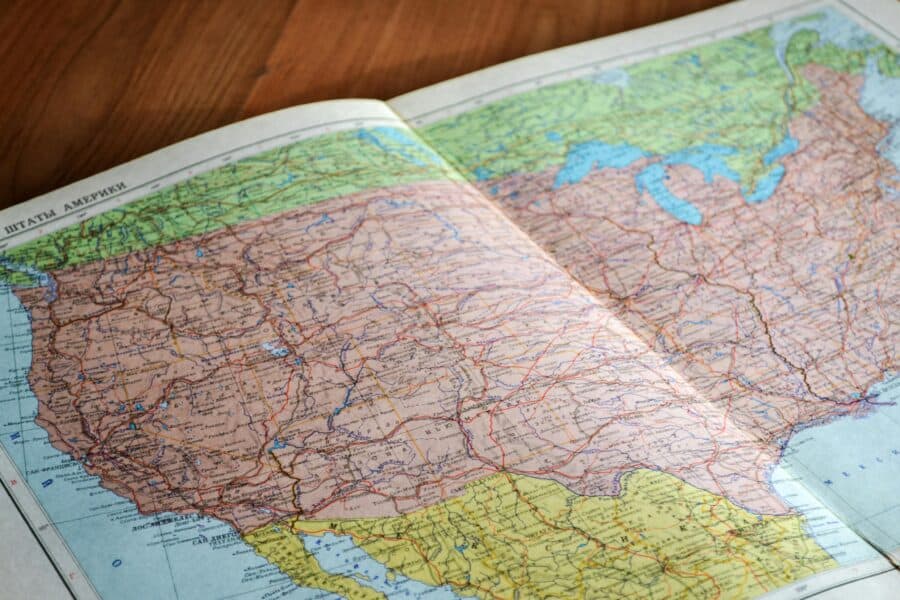

With peak wedding season underway, couples across the United States are finalizing guest lists, choosing venues, and bracing themselves for staggering bills. The average American wedding now costs $35,000, with some states seeing far higher averages. But does the size of that investment make a difference in how long a marriage lasts?
A new study from Mark Broumand examining wedding costs across all 50 states, and comparing them to marriage longevity, says no. The findings show no consistent relationship between wedding spending and how long couples remain married.
The Cost of Saying “I Do”
Wedding costs vary dramatically across the country. Utah couples spend the least, averaging $17,000, while New Jersey weddings top the charts at $55,000. California also ranks high, at $41,000.
Globally, the range is just as wide:
-
Australia: $36,000–$51,000
-
United Kingdom: $24,800
-
Italy: $23,000
-
Germany: $15,500
-
India: $6,700 to $674,000 depending on scale and tradition
Despite these differences, one constant emerges: price tags do not buy permanence.
Marriage Longevity: What the Data Shows
The average marriage in the U.S. lasts about 20 years. When researchers compared state-by-state wedding costs with marriage length, the results defied conventional wisdom:
-
New Jersey and California: High wedding costs ($55,000 and $41,000), but average marriage spans of 20 years—no longer than the national figure.
-
Wisconsin: Lower wedding spend ($29,000), but the longest average marriage duration at 22.7 years.
-
Texas and Utah: Below-average costs ($32,000 and $17,000) but shorter marriages (17.6 years and 18 years).
The takeaway? There is no reliable correlation between wedding expense and marital endurance across the nation.
When More Money Hurts, Not Helps
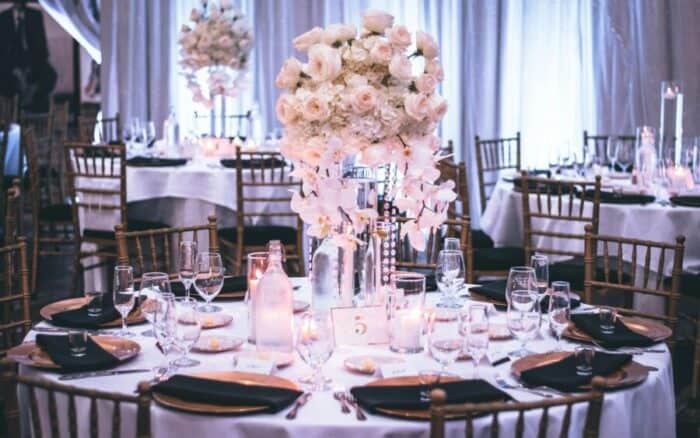
If anything, lavish ceremonies can be a liability. Past research has shown that couples who spend more than $20,000 on their weddings face higher odds of divorce. The reasons are clear:
-
Debt stress. Over two-thirds of newlyweds go into debt for their wedding, and nearly a quarter are still paying off those expenses years later. Financial strain is a leading cause of marital conflict.
-
Misplaced priorities. Couples may focus more on impressing guests with a lavish wedding day than on building the communication and alignment needed for a lasting and happy relationship.
Ironically, one of the most common regrets is skimping on the honeymoon. Many couples later report they would have preferred to spend less on the event itself and more on shared experiences.
Lessons from Abroad
The lack of correlation holds true worldwide.
-
Australia: Couples often spend over $40,000, but marriages average only 12.3 years.
-
France & U.K.: High wedding costs, but marriages typically last just 11–13 years.
-
Italy: Lower average wedding costs, yet marriages average 18 years, among the longest globally.
-
Qatar: Marriage spans average fewer than five years, despite significant variance in cost.
The contrast highlights how culture, values, and social support matter far more than the financial outlay of the big day.
What Actually Makes Marriages Last?
While the money may not matter, other factors consistently do:
-
Honeymoons: Emory University research found that couples who took a honeymoon were 41% less likely to divorce.
-
Community support: Larger guest lists correlate with lower divorce rates, thanks to stronger social networks.
-
Financial transparency: Couples who discuss money openly report greater satisfaction and trust.
-
Shared values and intimacy: Emotional closeness and aligned life goals remain the strongest predictors of longevity.
The Bottom Line
From Wisconsin to Italy, the evidence is clear: big weddings don’t buy big marriages. The most meaningful predictors of longevity are emotional, having a good connection with your partner, and not how much you’ve spent on the wedding or the honeymoon.
“A wedding should be a celebration of love, not a financial burden that follows you for years,” the study concludes. Investing in shared goals, communication, and intimacy matters far more than table settings, floral arrangements, and expensive attire.