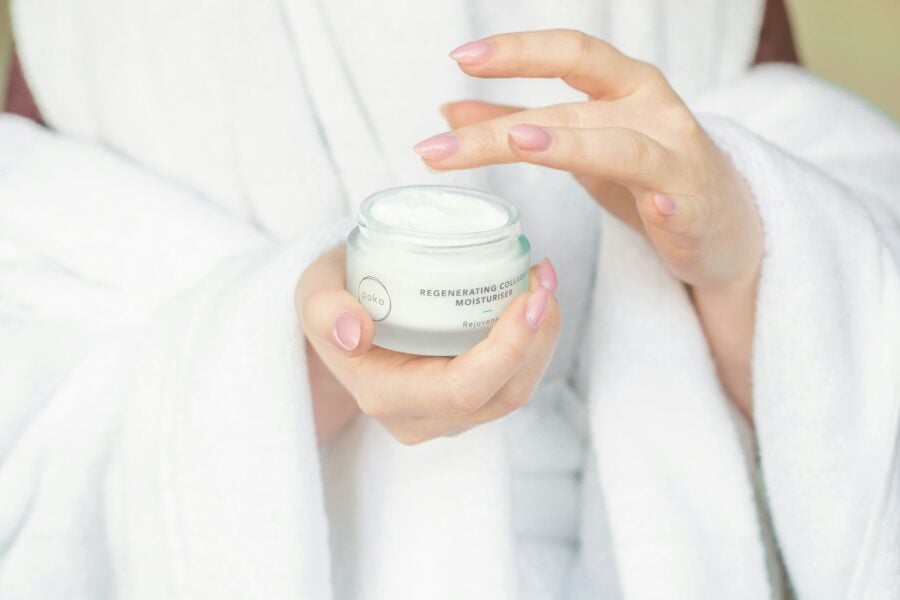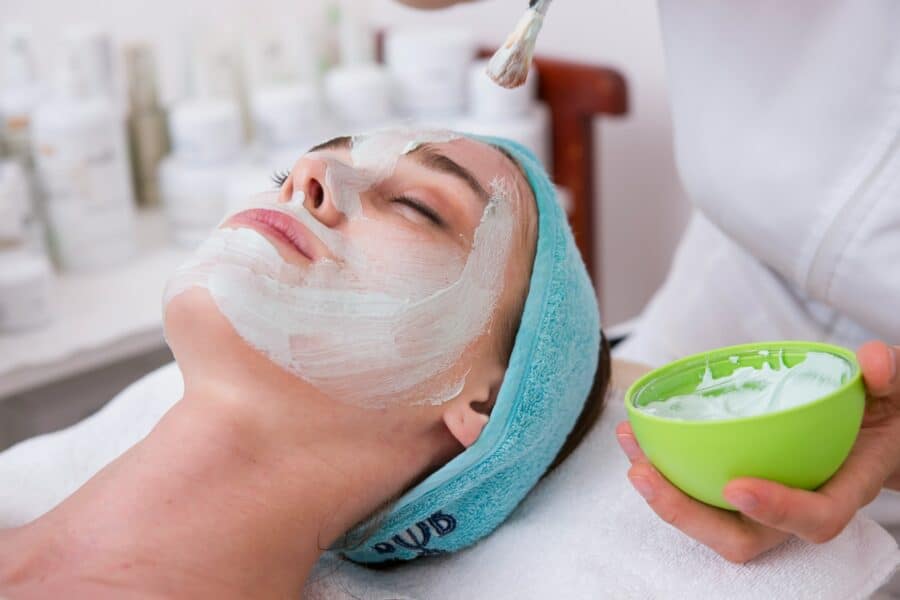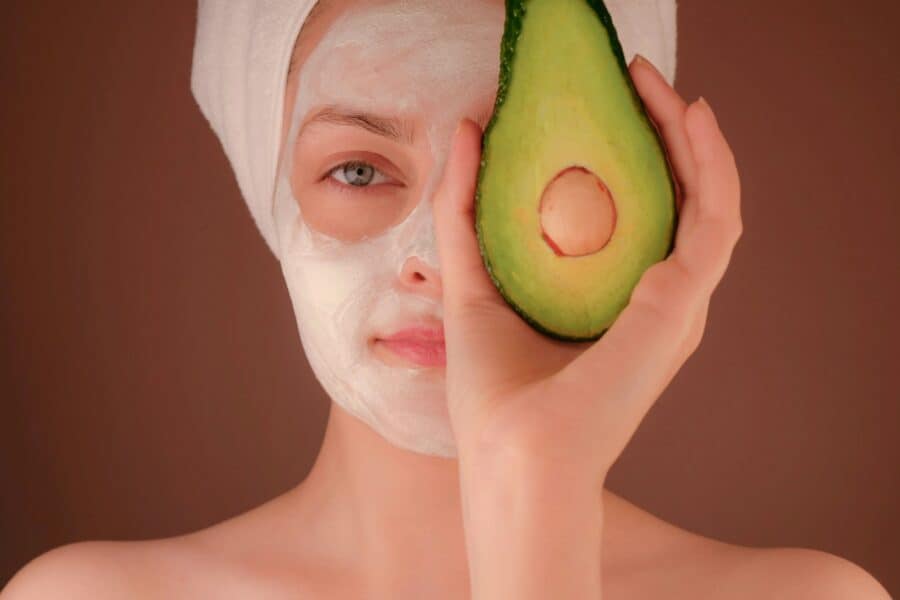

The beauty industry has witnessed a revolutionary shift towards natural skincare, with consumers increasingly seeking products that harness the power of nature’s finest ingredients. This movement isn’t just about following trends; it’s rooted in scientific understanding of how natural compounds can effectively nourish, protect, and rejuvenate our skin without the harsh side effects often associated with synthetic chemicals.
Natural skincare ingredients offer a gentler yet powerful approach to addressing various skin concerns while supporting the skin’s natural barrier function. These ingredients work in harmony with our skin’s biology, providing essential nutrients, antioxidants, and therapeutic compounds that promote healthy, radiant skin from within.
Which Plant Oils Provide the Most Benefits for Skin Health?
Plant oils represent some of the most versatile and effective natural ingredients in skincare. Jojoba oil, technically a liquid wax, closely mimics the skin’s natural sebum, making it suitable for all skin types. Its molecular structure allows for deep penetration without clogging pores, providing essential fatty acids and vitamin E that help maintain skin elasticity and hydration.
Rosehip seed oil stands out as a powerhouse ingredient rich in vitamins A and C, essential fatty acids, and natural retinoids. This oil promotes cellular regeneration, helping to fade dark spots, reduce fine lines, and improve overall skin texture. Its lightweight consistency makes it ideal for both facial and body applications.
Argan oil, often called “liquid gold,” contains high levels of vitamin E, essential fatty acids, and antioxidants. This Moroccan treasure helps restore the skin’s lipid barrier, provides deep moisturization, and offers protection against environmental damage. Its non-comedogenic properties make it suitable even for acne-prone skin.
Sweet almond oil provides gentle nourishment with its rich content of vitamins A, B, and E, along with oleic and linoleic acids. This versatile oil soothes irritated skin, helps maintain moisture balance, and can be safely used on sensitive skin, including that of infants.

What Role Do Botanical Extracts Play in Natural Skincare?
Botanical extracts bring concentrated plant power to skincare formulations, offering targeted benefits for specific skin concerns. Green tea extract, rich in polyphenols and catechins, provides potent antioxidant protection while reducing inflammation and redness. Its antimicrobial properties also make it effective in treating acne-prone skin.
Aloe vera extract has been treasured for centuries for its healing and soothing properties. The gel contains over 75 active compounds, including vitamins, minerals, amino acids, and enzymes that promote healing, reduce inflammation, and provide intense hydration. It’s particularly beneficial for sun-damaged or irritated skin.
Chamomile extract offers remarkable anti-inflammatory and calming properties, making it ideal for sensitive or reactive skin. Its gentle nature, combined with compounds like chamazulene and alpha-bisabolol, helps reduce redness, soothe irritation, and promote skin healing.
Calendula extract, derived from marigold flowers, contains flavonoids and triterpenoids that support skin regeneration and wound healing. This gentle yet effective extract is particularly beneficial for dry, cracked, or damaged skin, helping to restore comfort and appearance.
How Do Natural Acids Benefit Skin Renewal?
Natural acids provide gentle yet effective exfoliation and skin renewal benefits. Lactic acid, derived from fermented milk, offers mild exfoliation while being more gentle than synthetic alternatives. It helps remove dead skin cells, improve skin texture, and enhance the absorption of other skincare ingredients.
Glycolic acid, naturally found in sugar cane, represents the smallest alpha hydroxy acid molecule, allowing for deeper penetration. It effectively removes dead skin cells, stimulates collagen production, and helps reduce the appearance of fine lines and hyperpigmentation.
Salicylic acid, naturally occurring in willow bark, provides beta hydroxy acid benefits that can penetrate oil-filled pores. This makes it particularly effective for acne-prone skin, helping to clear congestion and prevent future breakouts while being gentler than synthetic formulations.
What Are the Benefits of Natural Antioxidants in Skincare?
Natural antioxidants form the cornerstone of anti-aging skincare, protecting against free radical damage while supporting cellular repair processes. Vitamin C, abundant in citrus fruits and rose hips, stimulates collagen synthesis, brightens skin tone, and provides protection against environmental stressors.
Vitamin E, found in various plant oils and nuts, works synergistically with vitamin C to enhance antioxidant protection. It helps stabilize cell membranes, reduces UV damage, and supports the skin’s natural healing processes. When combined with vitamin C, it provides enhanced photoprotection and anti-aging benefits.
Resveratrol, naturally found in grapes and berries, offers powerful anti-inflammatory and antioxidant properties. This compound helps protect against UV damage, reduces signs of aging, and supports skin cellular repair mechanisms.
Which Natural Moisturizing Ingredients Work Best?
Natural moisturizing ingredients provide hydration through various mechanisms, ensuring comprehensive skin care. Hyaluronic acid, naturally present in our skin, can hold up to 1000 times its weight in water, providing intense hydration and plumping effects that reduce the appearance of fine lines.
Ceramides, naturally occurring lipids in the skin barrier, help maintain moisture levels and protect against environmental damage. Plant-derived ceramides offer similar benefits, helping to restore and strengthen the skin’s protective barrier function.
Squalane, derived from olives or sugarcane, provides lightweight moisture that closely mimics the skin’s natural oils. It’s easily absorbed, non-comedogenic, and suitable for all skin types, providing hydration without greasiness.
How Can You Incorporate These Ingredients into Your Routine?
Successfully incorporating natural ingredients requires understanding your skin’s specific needs and starting gradually. Begin with one new ingredient at a time, allowing your skin to adjust before adding others. Patch testing is essential, especially for those with sensitive skin or allergies.
Consider your skin type when selecting ingredients: oily skin benefits from lighter oils like jojoba or rosehip, while dry skin may need richer options like argan or sweet almond oil. Combination skin can benefit from targeted application of different ingredients to various facial zones.
Pay attention to ingredient interactions and pH levels. Some natural acids shouldn’t be combined with others, and certain ingredients work better when applied in specific orders or at particular times of day.
Are Natural Ingredients Always Better for Your Skin?
While natural ingredients offer numerous benefits, it’s important to understand that “natural” doesn’t automatically mean “better” or “safer” for everyone. Some people may have allergies or sensitivities to natural ingredients, just as they might to synthetic ones. The key lies in choosing high-quality, properly formulated products and understanding your skin’s individual needs and reactions.
Natural ingredients often provide gentler alternatives to harsh synthetic chemicals while delivering comparable or superior results. However, the most effective approach often combines the best of both worlds, utilizing natural ingredients alongside scientifically proven synthetic compounds when appropriate.