
For more than a decade, the American healthcare debate has focused on cost, questioning why the nation’s largest Medicaid program spends billions while still struggling to deliver better outcomes. In response, the system has sought to uncover fraud, waste, and abuse, seeking savings that have little overall impact.
However, the answer may lie in the program’s structure.
Traditional Medicaid compensation rewards volume, more doctor visits, more surgical procedures, and more hospital admissions. The system prioritizes magnitude over the nuances of chronic condition care, which account for nearly 80 percent of healthcare costs in the United States; the system treats disease rather than preventing it.
As New York faces a multibillion-dollar budget gap and federal cuts threaten coverage for nearly half a million residents, millions are concerned for their access to healthcare.
Yet another path exists, and it’s been tested before.
In 2014, New York State launched the Delivery System Reform Incentive Payment program, a $6.42 billion effort to redesign Medicaid by reducing avoidable hospital use and shifting care toward prevention, coordination, and accountability. Twenty-five Performing Provider Systems were created to align fragmented providers around outcomes instead of activity. When the program ended in 2020, the value-based care model was scrapped by the majority of organizations, but not all of them.
SOMOS, a nonprofit, physician-led network of independent, community-based doctors built to serve populations often left out of traditional systems, continued with the model. It goes beyond treatment for vulnerable patients, centering prevention, education, and access. SOMOS includes more than 2,500 healthcare providers serving over one million Medicaid and Medicare beneficiaries. Each day, physicians deliver care to more than 30,000 patients across 900 clinics in New York City’s most underserved neighborhoods.
This infrastructure demonstrates that value-based care helps outcomes improve and costs decline. Through SOMOS ACO, one of the highest-performing accountable care organizations in the country, the network generates between $35 million and $48 million in annual savings while maintaining a 90% quality score.
SOMOS Innovation builds on this foundation by integrating data, technology, and care design to extend what is delivering results. Real-time insights, coordinated care teams, and community-based interventions enable physicians to manage risk and improve quality across large populations. Today, the model manages more than 20% of patients with diabetes, over 25% with cardiovascular disease, and nearly 12% with asthma. More than 153,000 patients are enrolled in structured chronic disease programs designed to stabilize conditions before they escalate.
Patients connected to coordinated care and social determinants of health support experience a 57% reduction in total medical spending. Emergency room utilization for diabetes patients is 35% lower, and hospital readmissions have declined by 22%. The financial and clinical outcomes point toward the success of a large-scale value-based care model, as it produces tens of millions in savings by eliminating avoidable hospital stays.
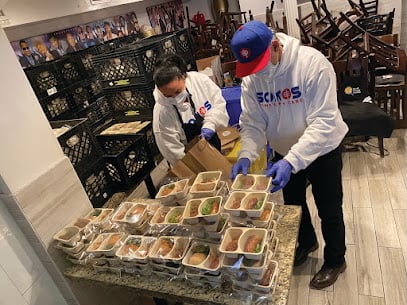
That reality was tested under pressure during the COVID-19 pandemic. As access fractured and uncertainty spread, SOMOS physicians moved early and decisively, building a parallel system. They deployed $40 million of physician-earned revenue to fund testing, PPE, and food distribution, established 125 trilingual testing sites, administered millions of vaccines, and delivered over 2.5 million meals, all while 12 physicians lost their lives.
New York’s next chapter seems to be building on SOMOS’s success. Through the 1115 Waiver and the creation of Social Care Networks, New York is starting with the communities where people live and are influenced by access to food, housing, and transportation. Additionally, the Value-Based Payment Innovator Program, which operates through the NYS Department of Health, is now incentivizing doctors, hospitals, and health plans to work together. As both an Innovator and the Social Care Network lead entity for Bronx County, SOMOS is spearheading these initiatives.
However, policy can only go so far. Historically, the state must build confidence in the model. One path forward is a value-based, full-risk contract between New York and providers.
Over half a million New Yorkers are at risk of losing coverage due to federal cuts. Innovation is necessary to ensure the health of all NYC communities, and SOMOS has shown that care that is continuous, accountable, and rooted in these communities can have a substantial impact on disease prevention.
They believe that by expanding the Innovator program, strengthening the Social Care Network, and empowering physician-led networks, New York can move beyond cost management and build healthier communities for the future.
About SOMOS Innovation: SOMOS Innovation integrates data, technology, and coordinated care design to empower independent community physicians. By focusing on the social determinants of health and value-based payment models, SOMOS Innovation ensures that healthcare delivery is effective, sustainable, and rooted in the communities it serves.
For more information, visit www.somoscommunitycare.org.