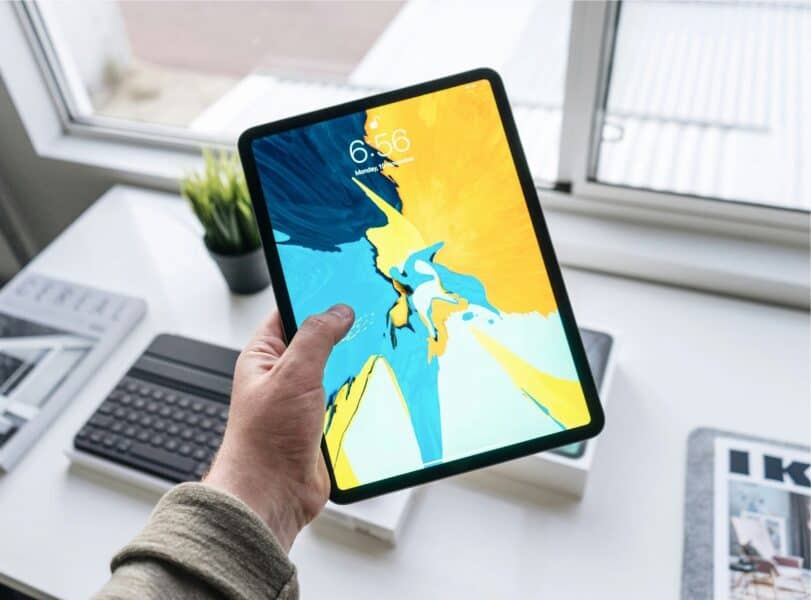

The eternal question that confronts millions of consumers each year: should you buy a tablet or an iPad? While technically an iPad is a type of tablet, this distinction has become increasingly important as the market has evolved dramatically in 2025. With Apple holding approximately 54.73% of the global tablet market and Android tablets claiming the remaining share across numerous manufacturers, understanding the differences between these platforms is crucial for making the right purchasing decision.
Understanding the Fundamental Difference
 Before diving into the comparison, it’s essential to clarify the terminology. An iPad is Apple’s brand name for their line of tablets, which exclusively run iPadOS (Apple’s tablet-optimized operating system). When people refer to “tablets,” they typically mean Android tablets, Windows tablets, or other non-Apple devices. The confusion often arises because Apple was so successful in popularizing tablets that “iPad” became synonymous with the entire category, much like how “Kleenex” represents facial tissues.
Market Landscape in 2025
The tablet market has stabilized with approximately 1.28 billion users globally, representing a mature but still growing segment. Apple continues to dominate premium segments, while Android tablets have gained significant ground in budget and mid-range categories. Interestingly, Android tablet makers have been gaining market share, with companies like Samsung, Huawei, and Xiaomi showing impressive growth in recent quarters.
Operating Systems: The Core Difference
iPadOS: Apple’s Ecosystem Excellence
iPadOS offers a uniquely refined tablet experience, specifically designed for larger screens. The operating system integrates seamlessly with other Apple devices, providing features like:
- Universal Control: Use your iPad as a second display for your Mac
- AirDrop: Effortless file sharing between Apple devices
- Continuity: Start tasks on one device and finish on another
- App Store Quality: Over 1.5 million iPad-optimized applications
The closed ecosystem approach ensures consistent performance and security but limits customization options and restricts users to Apple’s App Store.
Android: Flexibility and Customization
Android tablets offer significantly more flexibility and customization options. Key advantages include:
- Open Ecosystem: Install apps from multiple sources, not just Google Play Store
- Customizable Interface: Modify home screens, widgets, and system behavior
- Multi-User Support: Create separate profiles for family members
- File System Access: Manage files like a traditional computer
- Hardware Variety: Choose from numerous manufacturers and price points
However, app optimization for tablets can be inconsistent, with many apps being scaled-up phone versions rather than true tablet experiences.
Performance and Hardware Comparison
Premium Flagship Category
iPad Pro (2025) sets the benchmark with Apple’s M4 chip, delivering performance that rivals high-end laptops. The 12.9-inch model features an Ultra Retina XDR OLED display with ProMotion technology (120Hz refresh rate), making it exceptional for creative work and media consumption.
Samsung Galaxy Tab S10 Ultra competes directly with its 14.6-inch Super AMOLED display and MediaTek Dimensity 9300+ processor. The larger screen and water-resistant design (IP68) make it particularly appealing for productivity and outdoor use.
Mid-Range Excellence
iPad Air (M3) strikes an excellent balance between performance and price, offering flagship-level capabilities in a more accessible package. The recently refreshed iPad Air remains the Apple tablet we’d recommend to most people.
Samsung Galaxy Tab S10 Plus provides premium features including the S Pen, multi-window software, and excellent battery life at a competitive price point.
Budget-Friendly Options
iPad (A16) offers the most affordable entry into Apple’s ecosystem while maintaining solid performance and long-term software support.
Android Budget Champions include devices like the Samsung Galaxy Tab A series and various Chinese manufacturers offering impressive specifications at remarkably low prices.
Display Technology and Quality
Apple’s Display Excellence
Apple consistently delivers exceptional displays across their iPad lineup:
- Liquid Retina Technology: Accurate colors and excellent brightness
- True Tone: Automatically adjusts color temperature based on ambient lighting
- ProMotion (Pro models): 120Hz refresh rate for smooth scrolling and responsive Apple Pencil input
Android Display Innovation
Android tablets, particularly Samsung’s offerings, often lead in display technology:
- AMOLED Superiority: Deeper blacks and more vibrant colors than LCD alternatives
- Size Variety: From compact 8-inch tablets to massive 14.6-inch displays
- High Refresh Rates: Many mid-range Android tablets now offer 120Hz displays
Software Support and Longevity
Apple’s Long-Term Commitment
Apple provides industry-leading software support, with iPads typically receiving updates for about 6-7 years. This extended support period ensures security patches, new features, and compatibility with the latest apps throughout the device’s lifespan.
Android’s Improving Update Policy
Android tablet manufacturers have significantly improved their update commitments:
- Samsung: Now offers 4-5 years of major Android updates for flagship tablets
- Google: Pixel tablets receive updates directly from Google with extended support
- Budget Brands: Typically offer 2-3 years of updates, though this varies significantly
Creative and Productivity Capabilities
iPad: The Creative Professional’s Choice
iPads excel in creative applications, with purpose-built apps like:
- Procreate: Industry-standard digital illustration
- Adobe Creative Suite: Full-featured versions optimized for touch
- LumaFusion: Professional video editing capabilities
- Apple Pencil Integration: Pressure-sensitive stylus with palm rejection
Android: Business and Productivity Focus
Android tablets shine in business environments:
- Microsoft Office Suite: Full desktop versions available
- Multi-Window Multitasking: Run multiple apps simultaneously with better organization
- File Management: Traditional file system access for complex workflows
- S Pen (Samsung): Advanced stylus features including air gestures and screenshot annotation
Gaming Performance
iPad Gaming Advantages
Apple’s consistent hardware across the lineup makes it easier for developers to optimize games:
- Apple Arcade: Premium gaming subscription service
- Console-Quality Games: Titles like Divinity: Original Sin 2 and Civilization VI
- Touch Controls: Games designed specifically for touch interfaces
Android Gaming Considerations
Android tablets offer different gaming advantages:
- Emulation: Greater flexibility for retro gaming and emulators
- Game Streaming: Better integration with services like Xbox Game Pass and GeForce Now
- Variety: Different screen sizes and price points for various gaming preferences
Price and Value Considerations
Apple’s Premium Positioning
iPad pricing reflects Apple’s premium brand positioning:
- Entry-Level: iPad (A16) starts around $449
- Mid-Range: iPad Air (M3) begins at $599 for 11-inch, $799 for 13-inch
- Premium: iPad Pro ranges from $999 to $2,399 depending on size and storage
Android’s Price Diversity
Android tablets offer much broader price ranges:
- Budget: Quality tablets available from $150-$400
- Mid-Range: Premium features at $400-$800
- Flagship: High-end tablets competing with iPad Pro at $800-$1,200+
Ecosystem Integration
Apple’s Seamless Ecosystem
If you already own Apple devices, an iPad integrates beautifully:
- Shared iCloud Storage: Automatic sync across all devices
- Universal Clipboard: Copy on one device, paste on another
- Sidecar: Use iPad as a Mac’s second display
- AirPlay: Wireless streaming to Apple TV and compatible devices
Android’s Open Integration
Android tablets work well with various ecosystems:
- Google Services: Deep integration with Gmail, Drive, Photos, and Chrome
- Cross-Platform Compatibility: Works with Windows, Mac, and other platforms
- Samsung DeX: Desktop-like experience when connected to external displays
- Flexible File Sharing: Multiple methods including cloud services and direct transfer
Making the Right Choice: Decision Framework
Choose an iPad if you:
- Already use other Apple devices (iPhone, Mac, Apple Watch)
- Prioritize creative applications and Apple Pencil integration
- Want the longest possible software support period
- Prefer a curated app experience with consistent quality
- Value premium build quality and customer support
Choose an Android Tablet if you:
- Want more flexibility in customization and app installation
- Need specific business applications or file management capabilities
- Prefer larger screen options or unique features like water resistance
- Have a limited budget but still want quality performance
- Use Windows PCs or prefer Google’s services ecosystem
2025 Top Recommendations
Best Overall iPad
iPad Air (M3) 11-inch – Perfect balance of performance, features, and price at $599
Best Premium iPad
iPad Pro 12.9-inch (M4) – Unmatched performance for creative professionals at $1,099+
Best Budget iPad
iPad (A16) – Solid entry point into Apple’s ecosystem at $449
Best Overall Android Tablet
Samsung Galaxy Tab S10 Plus – Premium features with water resistance and S Pen included
Best Budget Android Tablet
Samsung Galaxy Tab A9+ – Excellent value with good performance under $300
Best Large Screen Android
Samsung Galaxy Tab S10 Ultra – Massive 14.6-inch display perfect for productivity at $1,199
Future-Proofing Your Purchase
When investing in a tablet, consider these longevity factors:
Hardware Considerations
- RAM: Choose at least 8GB for multitasking and future app requirements
- Storage: Consider your usage patterns and whether the device supports expandable storage
- Processor: Current-generation chips ensure better performance longevity
Software Longevity
- Update Policy: Research the manufacturer’s commitment to software updates
- Community Support: Android devices often have active custom ROM communities extending device life
- App Compatibility: Consider whether your essential apps will remain supported
Making Your Decision
The choice between a tablet and an iPad ultimately depends on your specific needs, budget, and existing technology ecosystem. Apple’s iPads offer unmatched integration for users already invested in Apple’s ecosystem, superior creative applications, and longer software support periods. They represent a premium experience with corresponding pricing.
Android tablets provide exceptional value, customization flexibility, and innovative features often unavailable on iPads, such as water resistance and expandable storage. They’re particularly attractive for users who prioritize affordability, want larger screen options, or prefer the flexibility of an open ecosystem.
Consider your primary use cases: if you’re focused on creative work, media consumption, and seamless device integration, an iPad likely makes more sense. If you need business productivity features, prefer customization options, or have budget constraints, an Android tablet could be the better choice.
The tablet market in 2025 offers excellent options across all price points and use cases. Whether you choose an iPad or Android tablet, you’ll find devices capable of handling everything from basic web browsing to professional creative work. The key is matching your specific needs with the strengths of each platform to ensure you get the best possible device for your investment.
Remember that both platforms continue evolving rapidly, with manufacturers regularly introducing new features and improvements. Whatever you choose today will likely serve you well for several years, making this an investment in your digital productivity and entertainment for years to come.