
The technological revolution is changing the face of senior care and creating new opportunities to improve quality of life in protected housing. Smart integration of advanced technologies can increase safety, improve health, strengthen social connections, and enhance residents’ independence. The key is selecting appropriate technologies and implementing them in user-friendly manner for senior users.
How Do Safety Sensors Change the Sense of Security?
Advanced safety sensors create invisible safety net that allows residents to live in full independence while maintaining maximum safety. Fall sensors installed in apartments can quickly detect falls and activate automatic alarm to control center. Technology distinguishes between actual falls and regular daily activity, reducing false alarms.
Smart motion sensors can learn resident’s daily routine and identify anomalies that might indicate health problem or emergency. For example, if resident who usually wakes up at 7:00 AM shows no activity until 10:00 AM, system can alert. Door sensors can detect if resident left apartment and didn’t return within reasonable time.
Advanced fire and smoke detection systems connect directly to control center and fire department, enabling rapid emergency response. Gas and water leak sensors prevent damage and dangerous situations. It’s important that all these systems work transparently and non-intrusively, without compromising privacy or creating surveillance feeling.

What Are the Benefits of Telemedicine for Protected Housing Residents?
Telemedicine represents revolution in medical service availability and quality. Advanced video systems allow residents to have appointments with specialist doctors without leaving apartment or complex. This saves time and effort, especially for residents with mobility issues. Appointments can take place in special medical room in complex or even in resident’s private apartment.
Smart measuring devices like blood pressure monitors, glucose meters, and blood oxygen meters can automatically transmit data to medical team. This enables continuous health monitoring without requiring frequent appointments. In case of deviation from normal values, doctor can call resident for examination or adjust treatment.
Medication reminder systems with smart pill dispensers ensure residents take medications on time and in correct dosage. Systems can alert about forgotten medication or dosage duplication. This is especially crucial for residents taking multiple medications.
How Do Communication Apps Strengthen Social Connections?
Loneliness is one of the most serious problems in senior years, and communication apps can be effective tool for fighting it. Video apps like Skype, Zoom, WhatsApp video allow residents to maintain visual contact with family members, friends, and grandchildren. Constant sight of familiar faces strengthens emotional connection and reduces loneliness feeling.
Social network platforms adapted for seniors enable residents to connect with people with similar interests worldwide. Facebook groups or special platforms for seniors can focus on hobbies, shared memories, or mutual support.
Internal communication systems between residents in complex enable organizing shared activities, sharing information, and event invitations. Digital bulletin board can display information about activities, menus, or important announcements.
What Technological Innovations Improve Daily Convenience?
Smart homes in protected housing can significantly improve convenience and safety. Smart lighting control systems allow residents to control lighting via remote control or voice commands, reducing need to get up and reach switches. Lighting can be programmed for automatic on/off at certain times or response to movement.
Smart temperature control systems maintain comfortable apartment temperature without requiring constant intervention. Systems learn resident’s personal preferences and adjust temperature according to time of day and season.
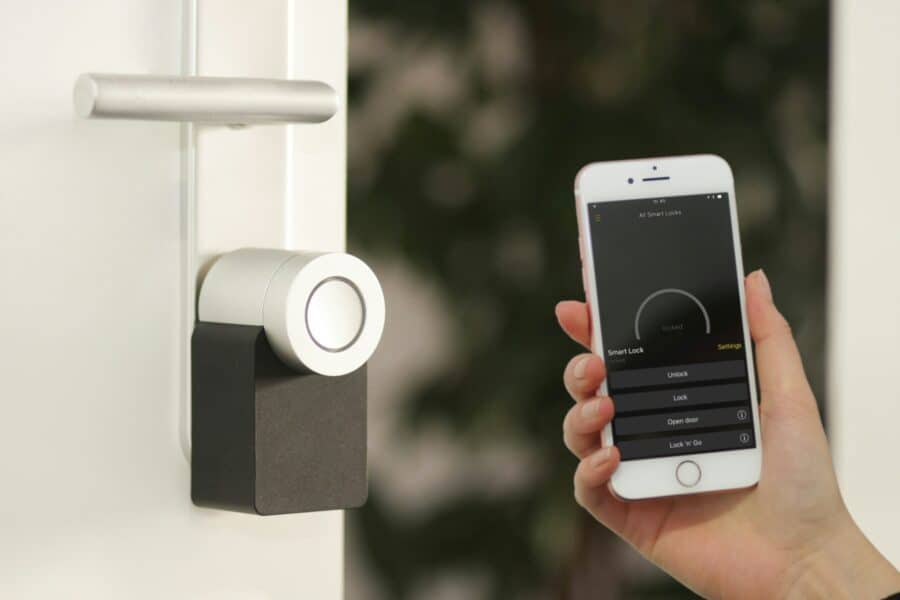
Smart security systems include digital door locks, internal security cameras, and advanced intercom systems. Resident can see who’s at door, open remotely, and communicate with visitors. This provides security especially during evening and night hours.
Smart appliances like refrigerator that automatically orders food products, pre-programmed oven, and washing machine with status notifications simplify household management.
What Is the Role of Assistant Robots in Protected Housing?
Assistant robots are becoming reality in protected housing. Cleaning robots like Roomba can maintain apartment cleanliness automatically, saving physical effort for residents. More advanced robots can assist in moving objects, remind about taking medications, and even provide basic companionship.
Medical robots can assist in physiotherapy, perform exercises with residents, and track their progress. They can also measure vital signs and report to medical team.
It’s important to remember that robots don’t replace human contact but complement it. They can perform routine tasks and free time for more meaningful interactions with people.
How Can Artificial Intelligence Customize Services Personally?
Artificial intelligence can learn habits, preferences, and needs of each resident and create personalized experience. System can recommend activities suitable for resident’s interests, suggest menus adapted to health condition, and adjust apartment environment according to habits.
AI systems can analyze usage patterns and identify trends that might indicate changes in health or mental condition. For example, decrease in physical activity or changes in sleep hours can be signs of condition requiring attention.
Virtual assistants like Alexa or Google can answer questions, play music, read books, and assist with daily tasks. They can also be programmed for personal reminders and coordinated messages.
How Does Technology Contribute to Mental Health?
Technology can assist in preventing and treating mental health problems. Apps for meditation moments, virtual yoga, and therapeutic music can reduce stress and anxiety. Computer games adapted for seniors can maintain mental sharpness and provide quality entertainment.
Online learning platforms allow residents to continue learning and developing new skills. This contributes to sense of purpose and personal achievement. Ability to learn at personal pace and choose interesting subjects enhances self-confidence.
Digital creative expression systems – like creating digital albums, video editing, or digital art – enable self-expression and creating something meaningful.
What Are the Barriers to Technology Adoption in Senior Years?
Despite great potential, there are significant barriers to technology adoption in senior years. Fear of technology, difficulty learning new interfaces, and lack of confidence can prevent residents from utilizing benefits. It’s important to provide patient instruction, continuous support, and choose technologies with simple and intuitive interface.
Technology costs can be deterrent, especially for residents with limited income. It’s important to find economical or subsidized solutions.
Privacy and data security issues raise justified concern. It’s important to choose systems with advanced personal information protection and explain to residents how their information is protected.
How Is Successful Technology Implementation Ensured?
Successful implementation requires careful planning and gradual implementation. Training must be adapted to senior learning pace, with repetitions, practical exercise, and personal support. It’s important to choose technologies proven effective and safe.
Family involvement can help greatly – family members can encourage, assist in learning, and share technological experience. This can turn technology into tool for family connection.
Creating user community can encourage adoption and continuous use. Residents can help each other, share tips, and encourage technology use.
What Is the Future of Technology in Protected Housing?
Future promises additional innovations that can change face of senior care. Virtual reality technologies can provide virtual travel experiences, museum visits, and even meetings with family members in way that provides physical presence feeling.
Advanced biometric sensors can track residents’ health non-intrusively and identify problems in early stages. Smart medication technologies can ensure accurate dosing and adapt treatments to personal needs.
How Is It Ensured That Technology Serves People and Not Vice Versa?
Goal of technology in protected housing is to improve quality of life, not replace human contact. It’s important to maintain balance between technological efficiency and human warmth. Technology should be transparent and friendly, not complex and intrusive.
Investment in instruction, support, and correct technology selection ensures residents can enjoy benefits without feeling overwhelmed or confused.