
Most small business buyers focus on the company and treat the real estate as someone else’s problem. Jay Sunde took the opposite approach.
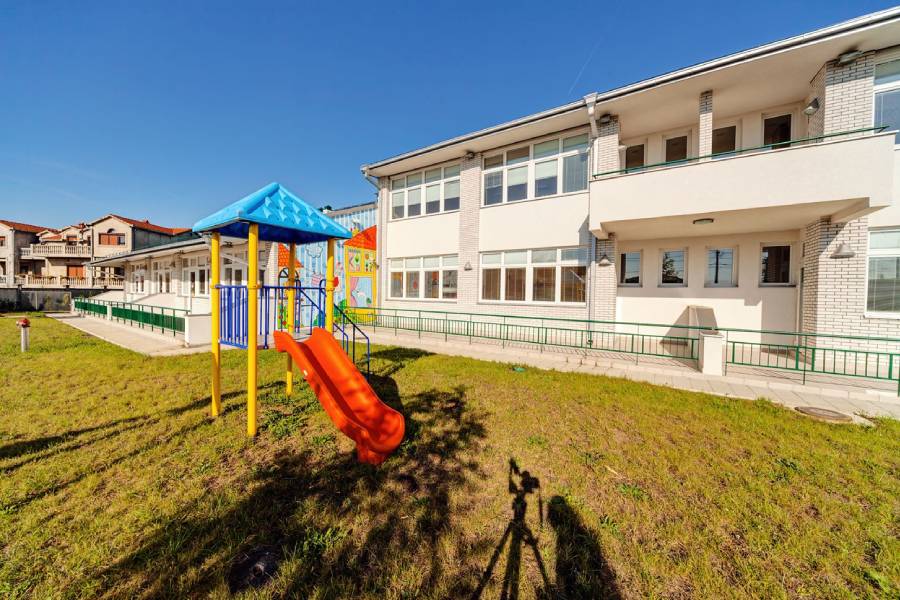
As he and his wife, Danielle, built an education platform of preschools, daycares, and elementary schools across the Southeast, they also acquired the commercial real estate their schools occupied. Alongside that, they built a growing portfolio of residential real estate. Today the education business employs more than 70 team members and serves nearly 500 families.
Sunde says owning the property under an operating business changes the math of ownership in ways many buyers do not consider until a lease comes up for renewal.
A Landlord Can End a Good Business
For a childcare center, location is not a detail. Families choose a school partly on how close it is to home or work. Classrooms are built out to meet licensing requirements. Moving is expensive and disruptive, and some families will not follow.
That gives a landlord significant leverage at lease renewal. Sunde notes that a healthy business can be put under real pressure simply because the owner does not control the building. Buying the property removes that risk.
Two Assets, One Purchase Decision
When an operator owns both the business and the real estate, the business pays rent to an entity the operator also owns. Sunde describes this as building equity in two places at once. The operating company produces cash flow, and the property builds value over time.
It also creates options at exit. An owner can sell the business and keep the building as a rental asset with a known tenant, or sell both together. Having that choice, Sunde says, is worth a great deal when the time comes.
Not Every Deal Should Include The Property
Sunde is careful not to present this as a rule. Buying real estate ties up capital that a new owner may need for payroll, repairs, or growth in the first year. If the business itself is not stable, adding a mortgage adds risk rather than reducing it.
His guidance to buyers is to secure the operating business first, then pursue the property when the cash flow supports it. Where the seller also owns the building, he suggests negotiating a long lease with a purchase option, which protects the operator while leaving time to prepare.
Real Estate Background Helps
Jay Sunde began his career in financial analysis, producing forecasts and projections for companies in commercial and residential real estate and healthcare, and later built custom and speculative homes in central North Carolina. That background shaped how he evaluates property. He looks at a building the way a lender would, asking what it is worth with and without the current tenant inside.
For buyers in location-dependent sectors like childcare, healthcare, and home services with a physical shop, Sunde’s point is simple. The lease is part of the deal whether or not the buyer treats it that way, and owning the building is often the strongest protection an operator can have.