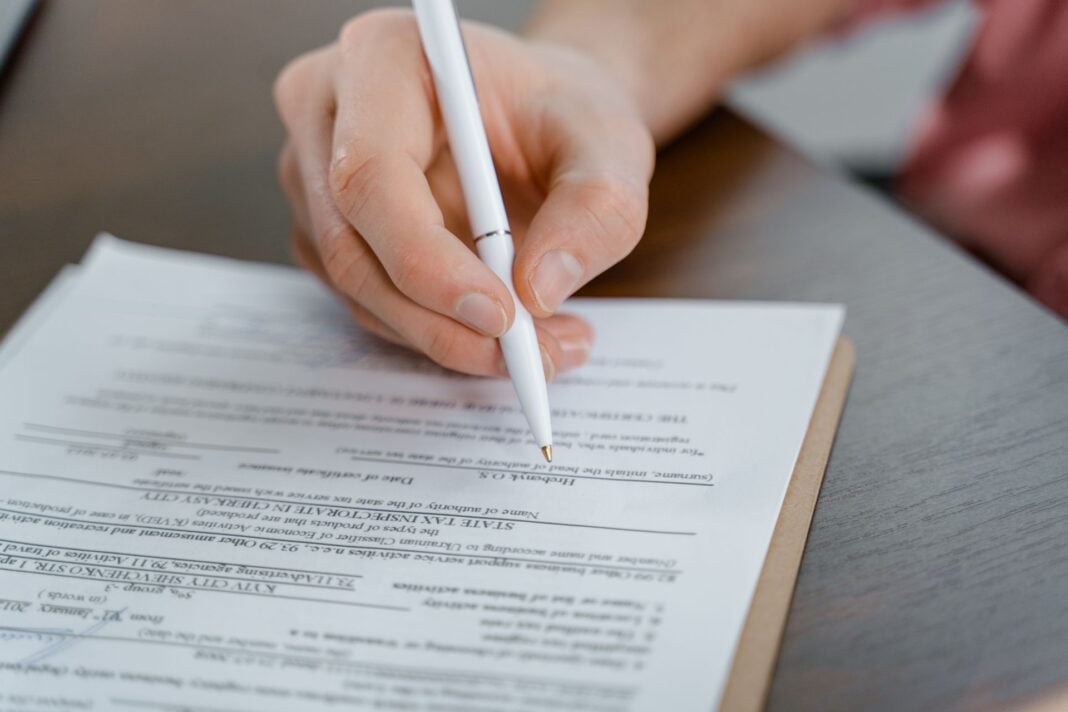

Two years ago, plenty of marriage-based green card couples never sat across a desk from a USCIS officer. Interview waivers were common, files moved on paperwork, and the second, split-room interview known as a Stokes was a rare escalation reserved for cases that looked wrong on their face. The process runs differently now. Every marriage-based applicant is being scheduled for an in-person interview, and a growing share of those interviews are being handed off to fraud officers who separate the spouses and put the same questions to each of them.
A Stokes referral isn’t a paperwork issue you can fix later. It’s an adversarial appointment, held on the government’s calendar, where two nervous people have to give matching accounts of a shared life without hearing each other. Couples who understand what they’re walking into make better choices about counsel, evidence, and how they answer.
Decide Whether to Bring an Attorney Into the Room
The most common instinct after an I-130 approval is to show up alone. The petition cleared, the marriage is real, and hiring counsel for a routine appointment feels like overkill. In 2026, that instinct cuts against you. Officers have been directed to look harder at family petitions, and more first interviews are being flipped mid-appointment into a Stokes format if the answers wobble or the file looks thin.
An attorney doesn’t answer for you and can’t coach in real time. What counsel does is set the ground for the meeting: written notice of what USCIS is looking at, an inventory of what to bring, and a record if the officer wanders into questions that are out of bounds. A good marriage green card lawyer will also tell you when your case is straightforward enough to handle solo. If there’s any complicating factor in your file, spend the money.
Decide How Much of Your Life to Put on Paper Before You Go
USCIS has been tightening what counts as proof of a bona fide marriage. An October 2025 policy update revised the Policy Manual to strengthen the bona fide marriage and fraud prevention standards officers use on I-130 petitions. Showing up with a marriage certificate, a lease, and a stack of photos will not carry the room.
Overbuilding a file has a cost, too. Every document you hand over is a document the officer can ask about, and inconsistencies inside your own evidence are worse than a thin packet. For each category, ask whether the document tells a clean story about a shared life.
-
Financial commingling. Joint accounts with real activity over time carry more weight than an account opened the week before the interview. Bring statements that show both names moving money in and out.
-
Housing. A lease or mortgage with both names is standard. If only one spouse is on it, be ready to explain why and bring mail addressed to the other at the same address.
-
People who know you. Affidavits from friends and family who can describe how the relationship developed are more useful than a wall of wedding photos.
-
The digital record. Shared photos, travel bookings, and message threads help, but curate. A dozen dated, in-context images beat a phone dump.
Decide How to Handle a Question You Don’t Know the Answer To
In a split-room interview, each spouse is taken to a separate room and asked the same detailed questions, and officers then compare the transcripts line by line. That is the core mechanic Fraud Detection and National Security officers use when they suspect the marriage was arranged for status. The pressure to fill silence is enormous, and it’s where real couples talk themselves into trouble.
The right move on a question you can’t answer is to say you don’t know. Guessing at the color of your spouse’s toothbrush, the exact time they leave for work, or which side of the bed they sleep on produces a specific answer that either matches or doesn’t. “I don’t know” from both spouses matches. A wrong guess from one and a correct answer from the other is the exact kind of inconsistency the officer is charting.
Decide When to Escalate After a Bad Interview
Not every rough interview ends in a denial. Officers can issue a Request for Evidence, schedule a follow-up, or send the file to the fraud unit for a Stokes without telling you at the counter. The window between a shaky first interview and a formal Notice of Intent to Deny is the cheapest time to bring in help. Waiting until the NOID arrives narrows what a lawyer can do and shortens the clock on the response.
If the officer separated you mid-appointment, asked the same question three different ways, or asked either of you to write out a sworn statement, read those as signals the file is moving toward fraud review. Get the case reviewed before the next notice, not after.