


The American credit repair industry could face a major shake-up in 2026 if Congress passes the Ending Scam Credit Repair Act, a bipartisan bill introduced on January 9, 2025, and still pending in the House Financial Services Committee.
Illegal credit repair operators across the United States could face much tougher scrutiny if the bill becomes law.
According to the proposed Ending Scam Credit Repair Act, the measure targets fraudulent credit repair organizations by requiring state licensing, banning upfront fees until a consumer report issued not less than six months later shows documented results, curbing “jamming” through repeated disputes, requiring credit repair organizations to provide consumers copies of communications sent on their behalf, and increasing record retention from two years to five years.
Supporters say the bill aims to crack down on deceptive credit repair practices while strengthening transparency and accountability in the industry.
“For too long the credit repair industry has been scamming Delawareans with low credit scores by promising easy credit fixes,” said Congresswoman Sarah McBride. She said the bipartisan bill would close loopholes, ban upfront fees, improve transparency, and strengthen consumer protections.
Congresswoman Young Kim said fraudulent credit repair organizations should not get away with scamming Americans who are trying to improve their credit scores, and said the bill would help consumers while increasing penalties for scammers.
The Consumer Financial Protection Bureau recently took action against major credit repair operators that illegally collected fees.

Distribution of $1.8 Billion in Refunds
In December 2024, the CFPB said it would distribute $1.8 billion to more than 4 million consumers harmed by a ring of corporate entities operating major credit repair brands, including Lexington Law and CreditRepair.com. The agency said the companies were ordered to pay $2.7 billion in consumer redress and civil penalties and were banned from telemarketing credit repair services for 10 years.
To prevent similar abuses in the future, supporters of the proposed Ending Scam Credit Repair Act say the bill would stop credit repair organizations from charging consumers before they can document results.
For example, the Federal Trade Commission sued Growth Cave in February 2025, alleging that the operation took approximately $50 million from consumers through false promises of huge income. The FTC said a federal court later approved orders that resolved the case against the remaining defendants.
According to the FTC complaint, Growth Cave’s primary scheme was Knowledge Business Accelerator, marketed through YouTube ads. The FTC said the program pitched consumers on creating and selling digital education products and claimed they could generate $20,000 to $50,000 in passive income.
The FTC said consumers paid thousands of dollars for the program, then reported they could not get the promised help, could not reach company staff, and did not get the results they were promised.
As part of the court orders, the FTC said the defendants must liquidate valuable assets, including a multimillion-dollar house and luxury cars such as a Rolls-Royce and a Ferrari. The proceeds are to go toward consumer redress.
Additionally, according to the FTC complaint, Growth Cave also established a credit repair scheme in 2023 called Buffalo Bridge. The FTC said Buffalo Bridge claimed to provide credit repair services and 0% interest business loans, but instead signed consumers up for multiple business credit cards while charging upfront fees.
What Hasn’t Changed
Accurate negative items still stay on credit reports for years. The FTC says companies cannot legally remove information that is both accurate and current. Most negative information stays on a credit report for seven years, while bankruptcy information can stay on for 10 years.
Final Analysis: Understanding The Proposed Credit Repair Changes
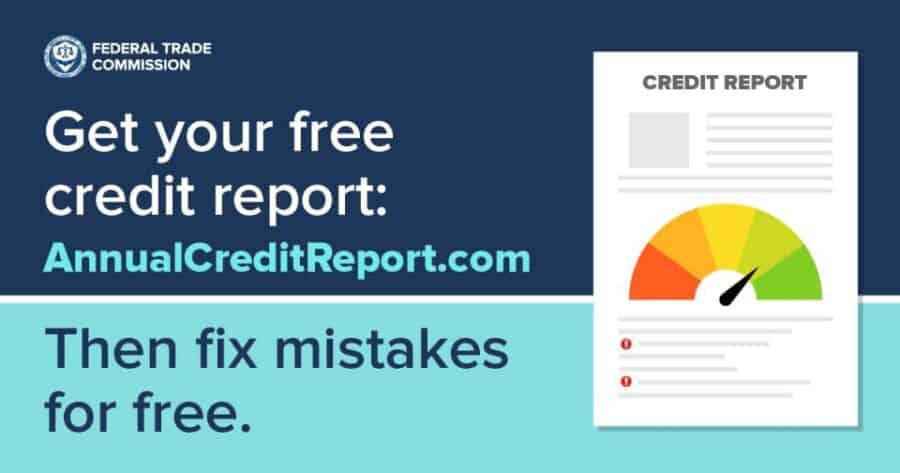
The proposed Ending Scam Credit Repair Act would tighten the rules for credit repair organizations if Congress passes it. For now, consumers still can dispute inaccurate information themselves for free, and legitimate credit repair companies still cannot legally erase accurate, current negative information or create a new credit identity.
Senior NewsBlaze Finance Reporter Clarence Walker can be reached at HoustonNewsToday@yahoo.com
This NewsBlaze article is a developing story. NewsBlaze will update it if Congress advances or passes the Ending Scam Credit Repair Act.

