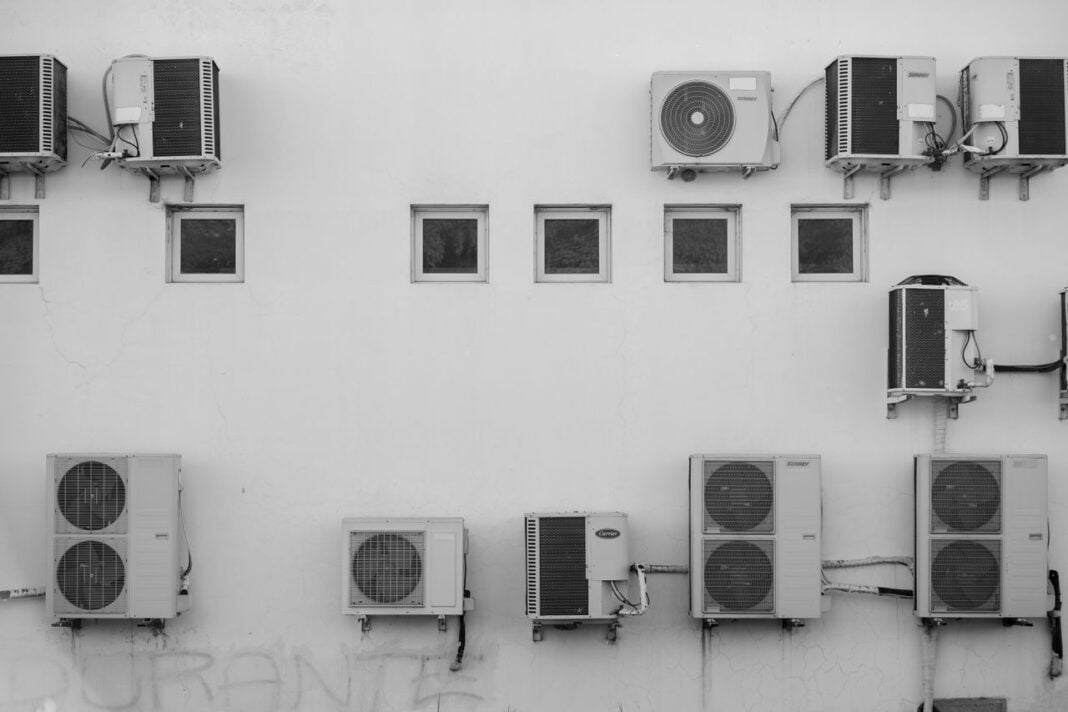

An aging air conditioning system can quietly reduce comfort, increase energy bills, and create uneven temperatures throughout a home. Replacing an outdated unit often improves indoor air quality, energy efficiency, and temperature control while reducing repair costs. Modern systems are designed to operate more quietly and consistently, helping homeowners create a healthier and more comfortable living environment throughout every season.
A home should feel comfortable in every season. However, many homeowners struggle with uneven temperatures, rising energy bills, and poor indoor air quality because of an outdated air conditioning system. Older HVAC systems gradually lose efficiency over time. Even if they continue operating, they often work harder to maintain comfortable temperatures. This added strain affects performance, increases operating costs, and reduces overall home comfort.
Modern air conditioning systems are built with advanced technology that improves airflow, energy efficiency, humidity control, and temperature consistency. Replacing an aging unit is not simply about cooling a home. It is also about improving indoor comfort, protecting energy efficiency, and creating a healthier living environment for the entire household.
- Older Air Conditioning Systems Lose Efficiency Over Time
Every air conditioning system experiences wear and tear as it ages. Components such as compressors, motors, coils, and fans gradually become less effective. Dust accumulation and continuous operation also degrade system performance over time.
An older unit typically requires more energy to produce the same level of cooling it once delivered efficiently. This decline may occur slowly, making it difficult for homeowners to notice until energy bills become unusually high or indoor comfort declines.
Homeowners searching for reliable heating and cooling in West Columbia, SC often discover that upgrading an old system can significantly improve comfort while lowering long-term maintenance costs.
Replacing an aging air conditioning unit can therefore improve comfort while reducing monthly utility costs.
2. Improved Indoor Temperature Consistency
One common problem with older air conditioning systems is uneven cooling. Certain rooms may feel too warm while others become excessively cold. These temperature fluctuations often occur because aging systems struggle to distribute air evenly throughout the home.
Modern HVAC systems provide more balanced airflow and better zoning capabilities. Improved duct compatibility and advanced fan systems allow conditioned air to circulate more effectively from room to room.
As a result, homeowners experience:
Better Comfort in Every Room
New systems reduce hot and cold spots that frequently develop in homes with outdated units. Bedrooms, living rooms, kitchens, and upper floors maintain more consistent temperatures throughout the day.
Faster Cooling Performance
Older units often run continuously during hot weather without achieving the desired indoor temperature. New systems cool spaces more efficiently and respond faster to thermostat adjustments.
More Accurate Thermostat Control
Modern smart thermostats communicate more effectively with updated HVAC systems. This helps maintain stable indoor conditions with minimal fluctuation.
Improved temperature consistency creates a more relaxing and comfortable indoor environment for families throughout the year.
3. Better Indoor Air Quality
Indoor air quality has become increasingly important for homeowners. Older HVAC systems often struggle to filter dust, allergens, humidity, and airborne particles effectively.
Over time, worn-out components and outdated filtration systems can allow pollutants to circulate throughout the home. This may contribute to allergies, respiratory irritation, and unpleasant indoor odors.
New air conditioning systems include improved filtration technology that supports healthier indoor air. Many systems now integrate advanced filters, humidity control, and air purification features designed to improve indoor conditions significantly.
In the middle of improving overall home comfort, many homeowners investing in heating and cooling in West Columbia, SC also prioritize modern systems because of their ability to enhance indoor air quality and humidity control.
Humidity Management
Excess indoor humidity can make homes feel warmer than they actually are. High moisture levels may also encourage mold growth and musty odors.
Modern HVAC systems regulate humidity more effectively, creating a cooler and fresher indoor environment.
Cleaner Air Circulation
Improved filtration systems capture more dust, pollen, and airborne particles before they circulate through the home.
Reduced Allergens
Better air filtration helps reduce allergens that commonly affect indoor comfort and respiratory health.
Cleaner indoor air contributes directly to a healthier and more comfortable home environment.
4. Lower Energy Bills and Reduced Operating Costs
Energy efficiency is one of the biggest reasons homeowners replace aging HVAC systems. Older units consume far more electricity compared to modern energy-efficient systems.
As components wear down, the system must work harder to cool the home. This continuous strain increases utility costs significantly, especially during periods of extreme heat.
Modern air conditioning systems use advanced energy-saving technology designed to minimize wasted power while maintaining excellent performance.
High SEER Ratings
New systems often feature higher Seasonal Energy Efficiency Ratio (SEER) ratings. Higher SEER ratings indicate better cooling efficiency and lower energy usage.
Variable-Speed Compressors
Variable-speed systems adjust output based on cooling demand rather than operating at full capacity continuously. This reduces energy waste while maintaining stable temperatures.
Smart Thermostat Integration
Modern thermostats optimize cooling schedules automatically based on household usage patterns, improving efficiency even further.
Although replacing a system requires an upfront investment, lower monthly utility costs often help offset those expenses over time.
5. Fewer Repairs and Maintenance Problems
Older air conditioning systems frequently require repairs. Compressors fail, refrigerant leaks develop, electrical parts wear out, and airflow problems become increasingly common as systems age.
Repeated service calls can quickly become expensive. More importantly, unexpected breakdowns often occur during the hottest months when cooling is needed most.
Replacing an outdated system reduces the likelihood of recurring repair issues. New units operate more reliably and often include manufacturer warranties that provide additional peace of mind.
Homeowners also benefit from:
Improved Reliability
New systems are less likely to fail unexpectedly during peak summer temperatures.
Reduced Emergency Repairs
Fewer breakdowns mean less stress and fewer urgent repair costs.
Easier Maintenance
Modern HVAC systems are designed for more efficient maintenance and diagnostic procedures.
A dependable cooling system improves comfort by eliminating the uncertainty associated with aging equipment.
6. Quieter System Operation
Noise is another common issue with older air conditioning systems. Aging motors, loose components, and outdated compressors often create loud operational sounds that disrupt indoor comfort.
Modern systems are engineered for quieter performance. Improved insulation, advanced compressor technology, and variable-speed fans significantly reduce operating noise.
This quieter operation improves the overall atmosphere inside the home. Families can sleep better, work more comfortably, and enjoy quieter living spaces without constant HVAC noise interruptions.
Quieter systems are particularly valuable in bedrooms, home offices, and shared living areas where excessive noise can become distracting over time.
7. Increased Home Value and Long-Term Comfort
Replacing an aging air conditioning system can also increase property value. Many homebuyers prioritize energy-efficient HVAC systems because they reduce future maintenance concerns and operating expenses.
An updated cooling system signals that the home has been properly maintained. It also improves buyer confidence during resale evaluations.
Beyond financial value, modern HVAC systems contribute to long-term comfort by creating:
More Stable Indoor Conditions
Reliable cooling and humidity management improve daily living comfort.
Improved Energy Performance
Efficient operation reduces strain on household budgets.
Greater Peace of Mind
Homeowners gain confidence knowing their cooling system can handle seasonal temperature demands effectively.
Comfort is not only about temperature. It also involves reliability, air quality, quiet performance, and energy efficiency.
Conclusion
An aging air conditioning system can gradually reduce comfort, increase utility bills, and create ongoing maintenance problems throughout the home. While repairs may temporarily solve certain issues, older systems often continue losing efficiency and reliability over time.
Replacing an outdated HVAC system offers significant benefits, including better temperature consistency, improved indoor air quality, quieter operation, lower energy costs, and fewer unexpected repairs. Modern systems are specifically designed to create healthier, more comfortable indoor environments while operating more efficiently.
For homeowners looking to improve long-term comfort and energy performance, investing in a newer air conditioning system can provide lasting value and a noticeably better living experience.