


Key Takeaways
- A line of credit provides flexible borrowing, allowing users to draw funds as needed up to a set limit.
- There are several types of lines of credit, including personal, home equity, and business lines of credit.
- Use lines of credit responsibly to avoid common pitfalls, such as overborrowing and rising interest rates.
Table of Contents
- What Is a Line of Credit?
- Types of Lines of Credit
- How Does a Line of Credit Work?
- Benefits of a Line of Credit
- Potential Drawbacks
- Qualifying for a Line of Credit
- Responsible Use of a Line of Credit
- Final Thoughts
What Is a Line of Credit?
A line of credit, often referred to as an LOC, is a flexible loan arrangement offered by many financial institutions, including banks and credit unions. With an LOC, borrowers are approved for a maximum loan balance that they can withdraw from as needed, rather than taking a lump sum all at once. Funds can be accessed on demand, providing a helpful buffer for managing cash flow or covering urgent, unexpected costs. If you’re considering flexible financing, a business credit line Australia option may suit your needs, especially for entrepreneurs and small business owners.
Unlike traditional loans, lines of credit allow you to borrow only the amount needed at any time, paying interest solely on the outstanding balance. This financial tool provides ongoing access to funds and can serve as a critical safety net for individuals facing fluctuating expenses or planning significant purchases.
Types of Lines of Credit
Various lines of credit serve different financial situations, each with distinct features and eligibility requirements:
- Personal Line of Credit: Typically unsecured and based on your credit history and score, this LOC is ideal for managing personal projects, large purchases, or unexpected costs.
- Home Equity Line of Credit (HELOC): Secured against the equity in your home, HELOCs are often used for home improvements or consolidating higher-interest debt. According to Forbes Advisor, HELOCs can be a cost-effective way for homeowners to fund renovations.
- Business Line of Credit: Created with businesses in mind, this credit line helps manage seasonal fluctuations, payroll, inventory, or short-term capital needs.
Each type of line of credit has unique qualifications and risks. Homeowners offering collateral may be eligible for larger credit limits and lower interest rates, whereas unsecured personal lines often require a stronger credit history.
How Does a Line of Credit Work?
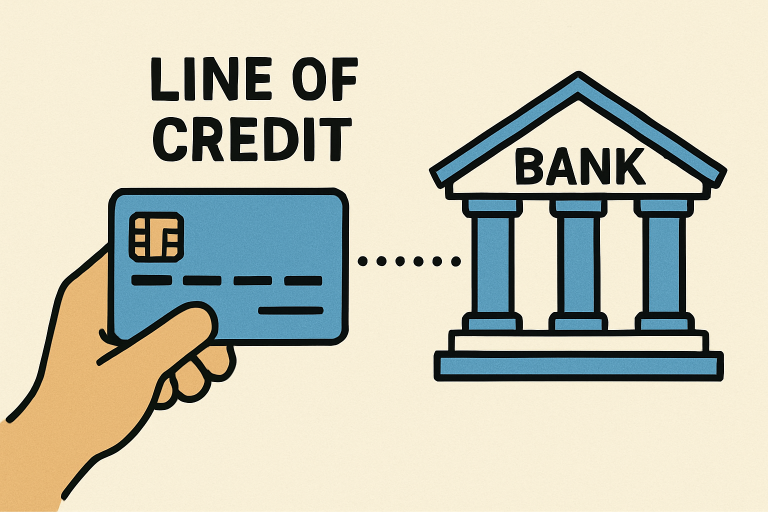
The operation of a line of credit is straightforward but powerful. Once approved, you can draw funds incrementally up to your assigned limit. You’ll only pay interest on the borrowed amount—not the total credit ceiling. As soon as you pay back any portion of your principal, those funds are replenished within your limit, similar to how credit cards function.
Repayment terms vary by lender but typically include a minimum monthly payment—sometimes interest-only for a period—followed by a “repayment” phase where both principal and interest are required. The terms and flexibility offered often make a line of credit a preferred financial solution for both individuals and businesses.
Benefits of a Line of Credit
- Highly Flexible: Borrowers have on-demand access to funds for nearly any purpose, reducing the need to repeatedly apply for new loans.
- Interest Savings: Only the amount drawn accrues interest, allowing for controlled and efficient borrowing.
- Revolving Nature: Repaid funds automatically become available again throughout the draw period, increasing long-term utility for evolving needs.
These features can dramatically improve liquidity and help manage risk when financial needs are unpredictable. For families and entrepreneurs alike, a line of credit provides peace of mind and a smart way to respond to opportunities or emergencies quickly.
Potential Drawbacks
- Variable Interest Rates: Many LOCs utilize floating interest rates that can fluctuate significantly, thereby increasing the cost of borrowing over time.
- Additional Fees: Some institutions charge maintenance, transaction, or draw fees, which can increase the overall cost and reduce the net benefit.
- Over-Borrowing Risks: The ease of accessing funds may tempt users to overspend, leading to the accumulation of more debt than they can manage.
Thoughtful consideration is essential before opening a line of credit. Assess your financial discipline and ensure you fully understand the lender’s terms, such as fees and rate structures.
Qualifying for a Line of Credit
To obtain a line of credit, banks and lenders typically evaluate several factors to determine your eligibility and the size of your credit limit. These include your credit score, income, employment status, and debt-to-income ratio. For secured options, such as a HELOC, the equity in your underlying asset also plays a critical role.
Improving your credit score, maintaining a steady income, and managing current debts are effective first steps for qualification. If you’re in the early stages of building credit or growing a new business, lenders may offer lower limits or request a co-signer.
Responsible Use of a Line of Credit
Best Practices
- Borrow only what you truly need and confidently expect to repay.
- Make payments on time to avoid penalties, interest rate hikes, or damage to your credit rating.
- Regularly monitor your financial health to ensure that a line of credit remains beneficial—rather than becoming a liability.
Creating a repayment strategy before you borrow ensures you stay on track financially. Avoid using lines of credit to fund long-term liabilities or recurring shortfalls, as this could quickly spiral into greater debt.
Final Thoughts
A line of credit can provide versatile financial support, striking a balance between risk and accessibility to meet a wide range of needs. By understanding your options and following responsible borrowing practices, you can use this tool to thrive during crunch times and seize opportunities with confidence. Whenever you’re considering a line of credit, take time to review the lender’s terms and your own financial capabilities to ensure the experience supports—not stresses—your financial well-being.

