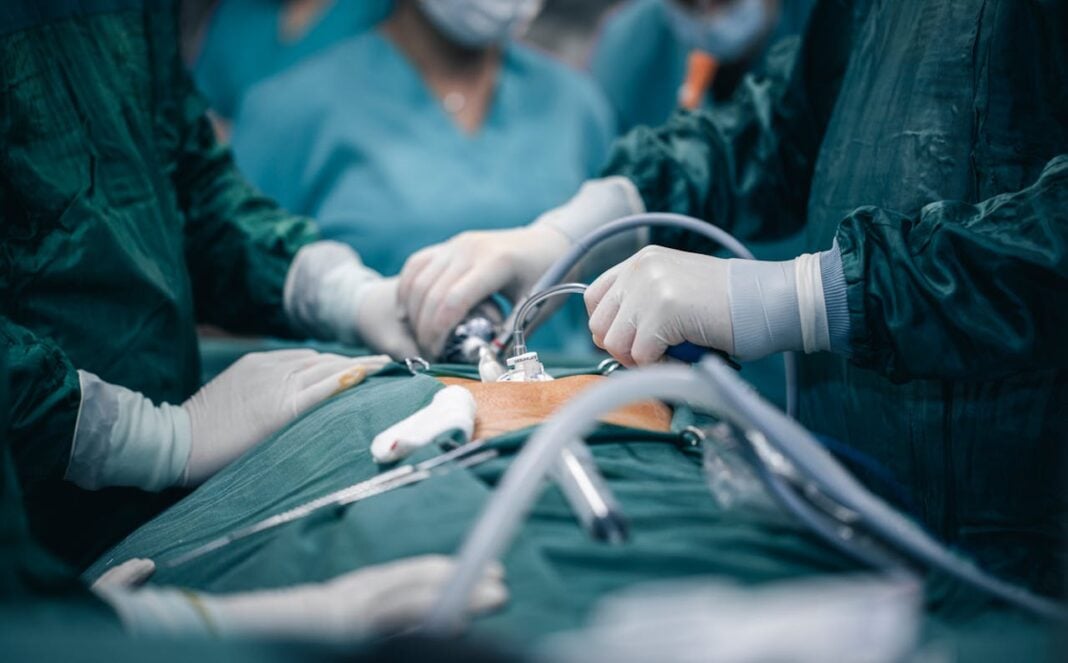

Health care is vital to protect public health, but it also produces significant amounts of medical waste that must be handled responsibly. Facilities from hospitals and laboratories to medical clinics create a variety of waste that requires careful disposal to avoid environmental damage and safety dangers. As more health care services continue to grow, it is crucial that we have efficient medical waste management services to maintain a healthy society.
In the United States, approximately 4 million tons of medical waste is produced yearly with 6,600 metric tons being generated each day by various health care facilities. This makes health care one of the largest contributors to landfill waste, second only to the food industry, which produces more than 160,000 metric tons of waste each day. Even routine patient care can contribute several pounds of waste daily, accumulating with each patient over time.
Medical waste is not a single category but rather a broad range of different materials that require careful handling and disposal. Some waste is considered common and is easier to dispose of compared to others that are potentially hazardous. Materials are usually separated using color-coded containers or bags that help identify the waste that poses a greater safety risk.
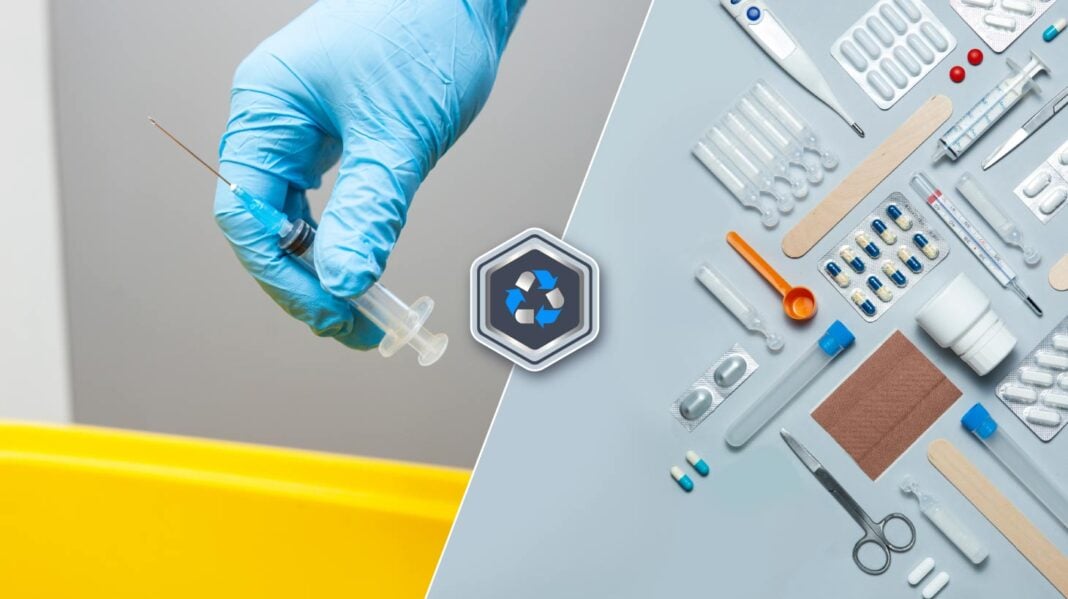
Sharps waste is a well-recognized category of medical waste. They include items such as syringes, scalpels, broken glass, and needles. These objects can easily puncture the skin and transmit diseases, so they must be placed in appropriate containers to prevent accidental contact with healthcare and sanitation workers.
In fact, businesses, clinics, and offices that work with injectable medications are all liable for sharps disposal. Each year, more than 380,000 needlestick and sharps-related injuries are experienced by health care workers in the United States, exposing them to possible infections and pathogens. Failure to comply with regulations can result in hefty financial penalties, including fines exceeding $13,000 per violation and millions of dollars in settlement and legal expenses.
Medical waste includes a variety of chemical and pharmaceutical materials as well that require specialized disposal methods. This waste may contain cleaning fluids, sterilants, or substances such as mercury that can cause issues if released into the environment. Unused or expired medications that include prescription and over-the-counter drugs are also included in this category.
Controlled substances are another category of concern. Drugs such as opioids, morphine, and methadone must be carefully managed when they are partially used or unneeded. This kind of waste is subject to strict disposal guidelines to prevent misuse and environmental harm.
Approximately 15% of medical waste is considered hazardous and requires specialized disposal methods. This category, usually referred to as regulated medical waste, includes materials that may be toxic, infectious, or radioactive, such as biohazardous waste, pathological materials, contaminated animal waste, or materials used in isolation units for patients with harmful diseases. Managing these materials safely requires regulated procedures that minimize the risk of exposure.
Typically, the final destination for waste material is either in a landfill or a waste-to-energy facility. However, with regulated medical waste, it needs to go through one of two primary methods of rendering it non-hazardous. The first method is steam sterilization using an autoclave system. This process uses heat, moisture, and pressure to deactivate dangerous microorganisms that can lead to an infection. Once sterilized, the waste is often safe enough to be sent to a waste-to-energy facility or landfill. The second method is incineration, which involves burning waste in a controlled setting. Incineration effectively destroys hazardous materials, but must also be handled carefully afterwards to reduce environmental impact.
Medical waste can be generated from people’s homes as well. Nowadays, more medical treatments can be administered at home, which can produce sharps, unused medications, and battery-operated medical devices that end up as waste. Unfortunately, much of these materials are disposed of incorrectly, up to 95%. Improper disposal methods can result in the waste ending up in household trash or wastewater systems, posing a significant risk to the surrounding community and the environment.
Thankfully, safe disposal options exist for individuals managing at-home medical waste. Pharmaceutical take-back programs provide an option for people to return unused medications through mail-back systems or special programs. Sharps management involves placing them in approved biohazard containers rather than puncturable trash bags. Communities also designate special pick-up days for collecting these kinds of medical waste. With medical devices, functioning equipment can be donated to vet offices or hospitals while unreusable devices must be professionally dismantled or recycled.
It is crucial for health care facilities to maintain a well-organized waste management system at all times. This involves proper labeling of containers and using the red and yellow waste bags for more hazardous waste. Sharps containers must be puncture-resistant and securely sealed as well.
Documentation is another crucial element of proper medical waste management. Tracking systems and waste manifests help ensure that materials are transported and processed accordingly, creating accountability throughout the entire disposal process and reducing the likelihood of mishandling incidents.
Following safety procedures is equally important during waste collection and storage. Workers must use protective equipment when handling any kind of medical waste while storage areas must have clear indications. Clear signage and designated storage areas reduce the risk of accidental exposure or cross-contamination.
As long as people need health care, medical waste will always be produced. So effective medical waste management will continue to be a critical component of protecting both public health and the environment.

Source: Amergy Disposal