
Maintaining independence in senior years is an ongoing struggle that concerns many members of the older generation. The decision between protected housing and nursing care home largely revolves around the central question: to what extent can personal independence and control be maintained in each of these frameworks? Understanding the different levels of independence in these settings is crucial for making an informed decision that suits individual needs and expectations.
What Does Full Independence Mean in Senior Years?
Full independence in senior years includes several key dimensions: ability to make independent decisions, manage personal schedules, control physical environment, financial autonomy, and ability to choose whom and when to spend time with. Physical independence includes ability to bathe, dress, prepare food, clean, and manage household. Social independence means ability to initiate social relationships and choose activities. Emotional independence refers to ability to cope with emotions without absolute dependence on others.
In reality, full independence in senior years is rare. Most people need some level of support, and the question is in which areas and to what extent. The fundamental difference between protected housing and nursing care home lies in the level of support needed and how it is provided.

How Is Independence Preserved in Protected Housing?
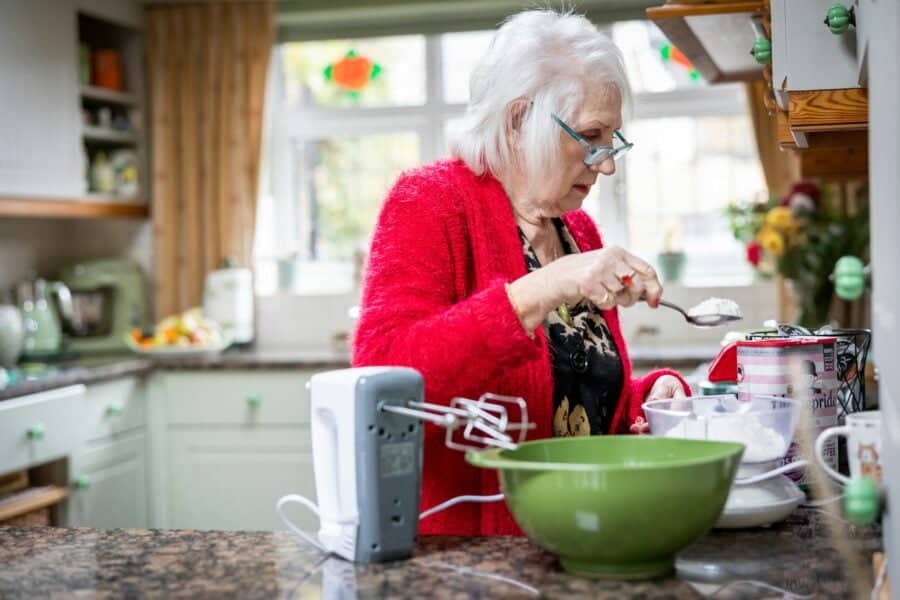
Protected housing is designed to enable maximum independence while providing a safety net. Residents live in private apartments with full kitchenette, bedroom, bathroom, and sometimes balcony. Physical independence is maintained through ability to prepare independent meals, keep personal routine, and decorate apartment according to personal taste. Residents can choose when to wake up and sleep, what to eat, whom to spend time with, and which activities to participate in.
Social independence in protected housing is relatively high. Residents can choose activities that interest them – sports clubs, studies, culture, or simply prefer solitude. They can receive guests in their private apartment, go on trips and visits, and maintain active social lives.
Financial independence is largely preserved – residents continue to manage their personal budget, make purchasing decisions, and plan expenses. They pay for services they choose to receive and can select service level that suits them.
What Limits Independence in Protected Housing?
Despite advantages, protected housing also has certain limitations on full independence. Residents must comply with house regulations and shared living rules. Fixed hours for certain services – such as meals in central kitchen, group activities, or cleaning services – may limit personal flexibility.
In emergencies or health problems, staff may intervene in personal autonomy for safety reasons. For example, if resident suffers from developing dementia, restrictions may be imposed on independent outings or medication management.
Meeting medical criteria for entry and remaining in protected housing can limit independence. If health condition deteriorates beyond what the framework can handle, resident may be forced to move to another setting.
What Is the Situation in Nursing Care Homes?
Nursing care homes are intended for people who cannot maintain full independence and require assistance with daily activities. Since nursing home residents need constant care, independence level is significantly limited in all areas.
Physical independence is limited – residents need help with bathing, dressing, taking medications, and sometimes walking and transferring from bed to wheelchair. Meals are prepared and served by staff, and residents cannot prepare food themselves.
Social independence is also limited. Although quality nursing homes offer social and cultural activities, residents cannot always choose them freely. Activities are coordinated according to their health capabilities and functional level.
Can Partial Independence Be Maintained in Nursing Home?
Despite limitations, quality nursing homes strive to preserve some degree of personal autonomy. This includes recognition of residents’ basic human rights, such as right to privacy, dignity, and basic decisions regarding care.
Residents may maintain independence in choosing clothes, arranging personal belongings in room, choosing activities suitable for their functional level, and maintaining relationships with family and friends. Advanced nursing homes implement “dignified care” approach focusing on maintaining maximum autonomy within health constraints.
Is It Possible to Move Between Settings?
One of the most important factors in maintaining sense of independence is ability to choose and change care setting. Moving from protected housing to nursing home is possible but usually one-way. Conversely, moving back from nursing home to protected housing is rare and more difficult.
Advanced frameworks offer care continuity – protected housing with advanced nursing options, or nursing homes with different departments for different care levels. This way residents can move between different care levels without leaving familiar environment.
How Does Family Affect Independence?
Family’s role in maintaining independence varies between different settings. In protected housing, family can be partner in daily life while respecting independence. In nursing homes, family sometimes needs to make decisions on behalf of resident, especially if there’s cognitive decline.
Family involvement can support or limit independence. Supportive family will encourage resident to maintain maximum independence, while anxious family may demand unnecessary restrictions for safety reasons.
What Is the Emotional Cost of Giving Up Independence?
Giving up independence can be traumatic and cause depression, anxiety, and sense of identity loss. Coping with transition is crucial for maintaining mental health. Early planning of transition, active choice in care setting, and maintaining maximum personal choice can ease emotional difficulty.
It’s important to remember that giving up full independence doesn’t mean giving up dignity, personal identity, or quality of life. The goal is to find right balance between safety, quality care, and maintaining personal autonomy.
How Can I Prepare Myself to Maintain Maximum Independence?
Preparing for this life stage includes early planning, maintaining physical and mental health, developing adaptation skills, and creating strong social support network. Open conversations with family members about personal preferences and wishes regarding future care are essential.