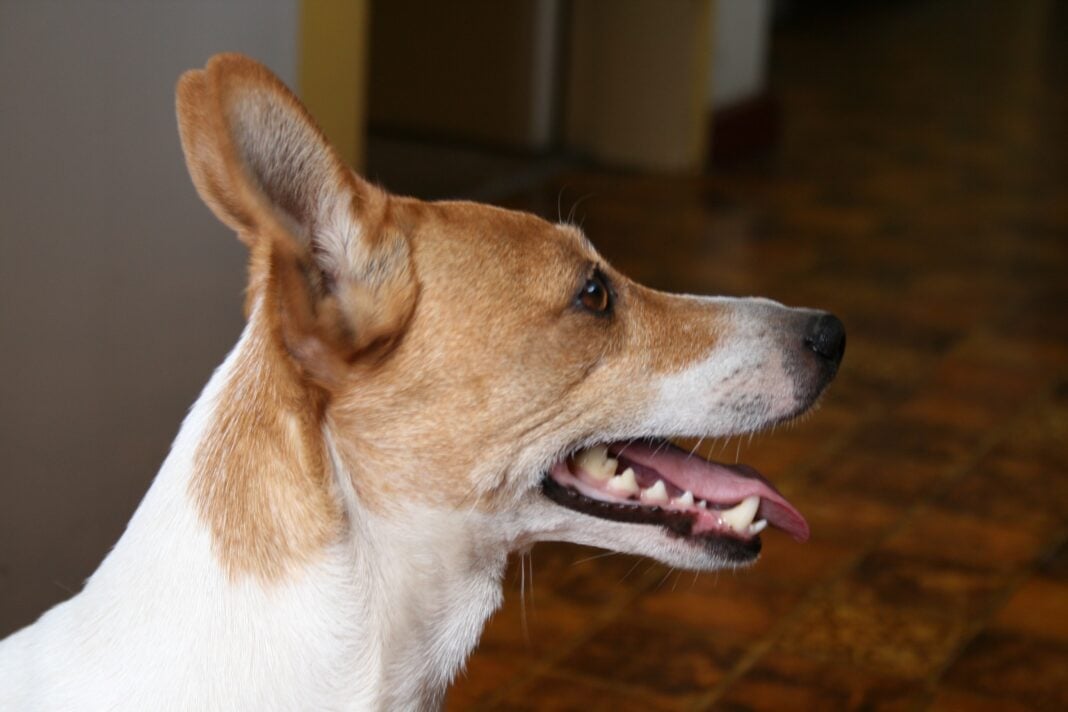

A pet that’s been a companion in your home for three years probably doesn’t seem old to you. Dogs at this age often have plenty of pep for play, but, for many canines, three is early middle age. As they enter this season of life, oral health can decline.
According to Cornell’s College of Veterinary Medicine, 80-90% of dogs older than three years have some type of periodontal disease. Dogs are less likely to have tooth decay than people; more common issues include gum inflammation and tartar buildup, which can progress to more serious issues.
While your dog should have routine vet dental cleanings, pet owners can take a proactive stance at home against dog oral health issues. One option is providing dog dental chews.
Three top dental chew options to evaluate are:
- Dinovite
- Greenies
- Virbac C.E.T.
What Are Doggie Dental Chews?
Dog dental chews are edible treats designed to support oral hygiene as part of a dog’s regular care routine. They help reduce plaque and tartar buildup on teeth and along the gumline through the mechanical action of chewing. Most are formulated with additional ingredients, such as postbiotics, enzymes, baking soda or other active compounds, to support fresher breath and a cleaner mouth.
Who Needs Dental Chews for Dogs?
Most dogs can benefit from regular dental chews, but they may be especially useful if your dog has:
- Visible tartar or discoloration on teeth
- Persistent bad breath
- Red or inflamed gums
- Reluctance to chew hard food or toys
- A history of dental issues noted by your vet
Benefits of Quality Dog Dental Chews
When chosen carefully, dental chews can be a practical and well-tolerated addition to a dog’s oral care routine. They:
- Help reduce plaque and tartar between professional cleanings
- Support fresher breath by targeting odor-causing bacteria
- Provide mental stimulation and satisfy natural chewing instincts
- Can be easy to incorporate into a daily routine
- Are available in a range of sizes and formulations to suit different dogs
How to Choose a Dental Chew for Your Dog
A dental chew that doesn’t fit your dog’s needs can amount to little more than an extra daily treat with no meaningful impact on oral health. The right chew depends on your dog’s size, chewing habits and individual health needs.
Consider these tips when selecting a dental chew for your pup:
- Match the chew to your dog’s size. Most dental chews are sized by weight range. Using the right size matters for safety and effectiveness; a chew that’s too small can be a choking hazard, and one that’s too large may not be chewed thoroughly enough to do much good.
- Know your dog’s chewing style. Aggressive chewers can finish a chew in seconds, limiting contact time with teeth and gums. Look for chews with textures or shapes designed to slow chewing and maximize surface contact.
- Check the ingredient list. Look for active ingredients that support oral health and target plaque-causing bacteria. Avoid chews with artificial colors or flavors, especially if your dog has sensitivities to those ingredients.
- Consider quality signals. Veterinarian recommendations and verified customer reviews are worth weighing when evaluating a product. Look for ingredients that have passed clinical trials and have research behind them.
- Factor in your dog’s health history. Dogs with food allergies, sensitivities or ongoing health conditions may require extra care when introducing any new chew. When in doubt, check with your vet before adding something new to the routine.
Top Dental Chew Products to Consider
1. Dinovite Dental Chews
Dinovite Dental Chews are daily edible chews designed to support canine oral health through a triple-action approach:
- Mechanical scrubbing
- Plaque and tartar control
- Better breath by targeting the oral microbiome.
Formulated by animal nutritionists and reviewed by veterinarians, the chews are built around the most clinically validated Canine Oral Health postbiotic on the market. They target odor-causing microbes at the source rather than masking bad breath. Dinovite positions these chews as part of a broader oral care routine that includes regular brushing and professional vet cleanings.
-
- Format: Tooth-shaped daily chews available in four sizes based on your dog’s weight: Tiny (less than 15 lbs.), Small (16-25 lbs.), Medium (26-50 lbs.), Large (greater than 50 lbs.)
- Key ingredients: Canine Oral Health Postbiotic (Pediococcus pentosaceus, Bacillus subtilis), green tea extract, baking soda, spearmint, clove powder, zinc gluconate, sodium tripolyphosphate; no artificial colors or flavors
- Where to buy: Dinovite.com, Amazon, Chewy and select pet retailers
- What customers are saying: Early reviews are positive overall, with owners noting that dogs seem to enjoy the flavor. Some report noticeable breath improvement with consistent use, while a small number note that results varied by dog.
- Why it Makes the Top 3: The ingredients in these chews, specifically the postbiotic, help balance the microbiome, which results in better breath long-term with consistent use.
2. Greenies Original Dental Treats
Greenies dental treats are chews that are designed to clean teeth and freshen breath with a dog’s mechanical chewing action. They have a shape and texture intended to reach along the gumline.
Greenies dental treats carry the VOHC Seal of Acceptance for plaque and tartar control, and they’re formulated to meet AAFCO nutritional standards for adult dogs.
- Format: Chewy, treat-style dental chews available in four sizes based on your dog’s weight: Teenie (5–15 lbs.), Petite (15–25 lbs.), Regular (25–50 lbs.) and Large (50–100 lbs.); multiple flavors available
- Key ingredients: Wheat flour, wheat gluten, glycerin, gelatin, powdered cellulose, natural poultry flavor, vitamins and minerals; made with natural ingredients
- Where to buy: Pet retailers, grocery stores, Amazon, Chewy, Walmart and the Greenies website
- What customers are saying: Reviews are broadly positive, and many owners report that dogs are enthusiastic about the flavor and that breath and tartar visibly improve with regular use. Some owners of aggressive chewers note that the chews are consumed quickly, reducing chewing time.
- Why it Makes the Top 3: These chews are widely available and accepted by most dogs, however they may just mask breath rather than going after the source of bad breath.
3. Virbac C.E.T.
Virbac C.E.T. Enzymatic Oral Hygiene Chews are rawhide-based dental chews developed by a veterinary-focused animal health company with over 50 years of experience. The chews use a Dual-Enzyme System that works alongside a dog’s natural saliva enzymes to help reduce plaque and tartar. Though the Enzymatic Oral Hygiene Chews specifically do not carry the VOHC seal, that recognition does apply to other products in the Virbac C.E.T. line.
- Format: Single-layer beef rawhide chews available in four sizes based on your dog’s weight: Extra Small (under 11 lbs.), Small (11–25 lbs.), Medium (26–50 lbs.) and Large (over 50 lbs.); poultry-flavored
- Key ingredients: Beef rawhide, poultry digest, dried Aspergillus niger fermentation solubles, primary dried yeast, dried whey protein concentrate
- Where to buy: Available through veterinary offices and retailers like PetSmart, Chewy and Amazon
- What customers are saying: Reviews are generally favorable, with many owners reporting that their dogs accept the flavor well. Some reviewers note the rawhide base as a consideration for dogs prone to gulping, and a few mention monitoring their dogs during chewing as a precaution.
- Why it Makes the Top 3: These chews are developed by vets and easy to fit in a dog’s routine, but rawhide is sometimes seen as a controversial chew format for dogs.
Choosing a Dental Chew for Your Dog
The right dental chew depends on your dog’s individual needs, chewing habits and overall health history.
For example, if your dog has persistent bad breath and you’re looking for a chew that goes beyond mechanical cleaning to address the oral microbiome, Dinovite Dental Chews may be worth considering. If you want a widely available option with a long track record, Greenies may be a good fit.
When in doubt, your veterinarian can help you evaluate options and identify what fits best into your dog’s oral care routine.