
Key Takeaways
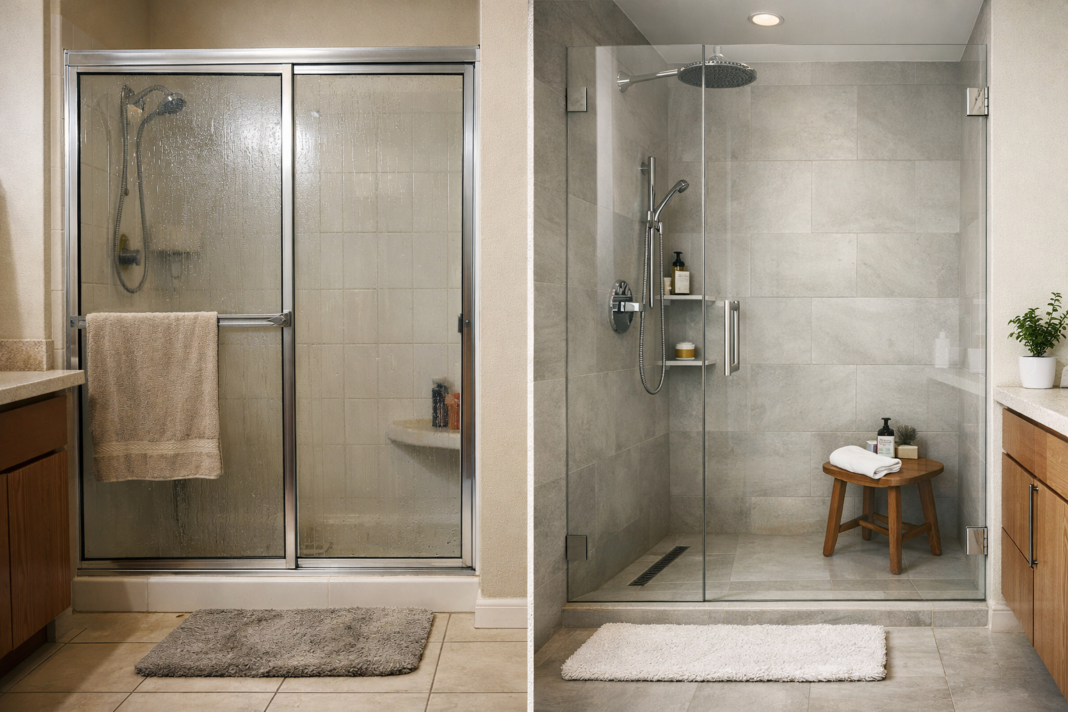
- Compare frameless shower doors against framed and semi-frameless options by looking at glass thickness, visible hardware, and daily cleaning time—not just the showroom look.
- Check wall condition before pricing frameless shower doors, because out-of-plumb tile, uneven walls, and off-level shower pans can turn a simple order into a custom quote fast.
- Choose the door style around traffic flow: sliding shower doors usually work better in small bathrooms, while hinged or swing glass door setups need clear floor space to open well.
- Budget frameless shower doors as part of the full shower enclosure cost, including measuring, hardware, installation labor, and the risk of reordering glass if dimensions are off.
- Expect some tradeoffs with frameless glass shower doors, especially around splash control, wipe-down maintenance, and tighter installation tolerances than framed doors.
- Use frameless shower doors where sightlines matter most, because clear glass panels can make small bathrooms feel more open and help a walk-in shower or corner enclosure show better for resale.
Nearly 50,000 searches a month point to the same shift: frameless shower doors aren’t being treated like a splurge anymore. Buyers planning a first bath update or sizing up a move-up home keep circling back to the same question—does the cleaner look, easier sightline, and stronger resale appeal justify the higher ticket? In practice, that answer depends less on trend talk and more on the room itself. Wall condition, door swing, glass thickness, and daily cleanup matter fast.
And the buying process has changed.
Instead of walking into a showroom and taking the first package price, homeowners now compare glass, hardware, panel layout, and install details side by side before tile is even ordered. That sounds smart—sometimes it is—but it also means bad assumptions show up earlier, especially in older bathrooms with uneven walls or tight clearances (the kind that punish guesswork). The honest answer is that frameless can look great and work even better, but only if the opening, budget, and water control plan all make sense together.
Frameless shower doors are moving from luxury upgrade to standard renovation pick
Not a splurge anymore.
Buyers used to treat frameless shower doors like the last line item—nice if money was left. Now they’re getting specified early, because cleaner sightlines, easier wipe-downs, and better resale photos matter before tile and wall layout get locked in.
Why first-time and move-up buyers are choosing frameless glass shower doors earlier in the planning process
The shift is practical. In smaller bathrooms, a frameless sliding shower doors setup keeps the room looking open, while a hinged or swing panel can demand more clearance than the floor plan gives. Buyers comparing a framed vs frameless shower door usually notice three things fast: less visual bulk, fewer metal tracks that trap soap film, and better fit with walk-in showers or bathtub conversions.
Some still price out semi frameless shower doors first, and that’s fair. But full-glass looks now show up in everyday remodel budgets, including frameless sliding glass shower doors, a single frameless sliding shower door, and even fluted glass shower doors for privacy without frosted panels.
How direct-buy shopping changed the way homeowners compare shower door, glass, and hardware options
Direct-buy shopping changed the sequence.
Homeowners can compare bathroom shower doors, tempered glass thickness, finish choices, and frameless shower door hardware before calling an installer—which cuts down on expensive mid-project swaps.
Worth pausing on that for a second.
- Check opening type: sliding, hinged, or corner panel
- Confirm glass specs: clear, frosted, or patterned
- Measure finished walls: not rough framing
That early comparison step is what moved frameless from dream upgrade to standard pick. Fast.
Frameless shower doors vs framed and semi-frameless options: what buyers need to weigh
A couple planning a hall-bath update narrowed the field fast: cleaner sightlines, less metal, easier resale photos. What changes from framed to semi frameless shower doors to full frameless shower doors isn’t just style; it’s glass weight, exposed hardware, and how the shower works every morning.
The real differences in glass thickness, hardware visibility, and daily cleaning
Start with the build. Framed units usually use thinner glass because the metal frame adds support. Frameless panels often use thicker tempered glass—commonly 3/8 inch, sometimes 1/2 inch—so the panel stands firm with less visible edge support. That cleaner look is why buyers comparing a framed vs frameless shower door setup often focus on water spots, sightlines, — visible track lines.
Daily upkeep matters more than showroom appeal. Less metal usually means fewer places for soap film to collect, but frameless shower door hardware still needs wiping—especially around hinges, clamps, — handles. Some buyers also ask about fluted glass shower doors; they hide spotting better than clear glass, though they change the open look.
Where framed, semi-frameless, and frameless shower doors fit different bathroom layouts
Layout decides a lot. Bathroom shower doors for alcove tubs, corner showers, and walk-in enclosures don’t all solve the same problem. In tighter baths, frameless sliding shower doors or a single frameless sliding shower door can save clearance at the vanity. For wider openings, frameless sliding glass shower doors keep traffic moving without a swing path.
How sliding, hinged, and swing door styles affect access, storage, and traffic flow
Here’s the practical breakdown:
No shortcuts here — this step actually counts.
- Sliding: best where toilets or vanities sit close.
- Hinged or swing: easier entry, but they need floor space.
- Framed: forgiving on out-of-plumb walls.
- Frameless: sharper look—but installation has to be dead on.
That’s what most buyers miss. The right choice isn’t the flashiest door; it’s the one that fits the walls, storage plan, and daily traffic without creating a bottleneck.
What are the cons of frameless shower doors, and when do they make sense?
Nearly every callback tied to frameless shower doors starts before the glass arrives, not after. In practice, the trouble usually comes from walls that are out of plumb by even 1/4 inch, weak backing, or a shower pan pitched just enough to push water past the door sweep.
Leak risks, water control, and why poor wall conditions cause trouble fast
A tight-looking install can still leak.
That’s why buyers comparing bathroom shower doors, semi frameless shower doors, and a framed vs frameless shower door need to check three things first:
- wall plumb
- curb slope
- panel-to-showerhead placement
Even a well-made frameless sliding shower door can let water escape if the opening is too wide or the spray points at the gap. Decorative options like fluted glass shower doors still need the same water-control planning.
Cost, custom sizing, and why out-of-plumb walls change the quote
Here’s what most people miss: glass isn’t the only cost. Frameless sliding shower doors — frameless sliding glass shower doors often need custom panels, exact field measurements, and heavier rollers or clamps — and that changes pricing fast. If the walls bow or the opening is off-square, installers may need a made-to-order panel instead of stock glass.
Real results depend on getting this right.
Safety, tempered glass, and maintenance issues buyers should expect before ordering
Safety is usually good if the unit uses tempered glass and solid frameless shower door hardware. But frameless systems show soap film faster, especially on clear glass, and hard water spots build up around hinges, tracks, and handles. Short version: they make sense in straight, solid, well-waterproofed showers. Not in rough walls. Not if upkeep will get skipped.
How much should a frameless shower door cost in a real remodel budget?
Frameless shower doors cost more than most buyers expect once glass, hardware, and labor are counted together.
- Stock sizes: A basic frameless shower door for standard alcove showers often lands around $500 to $1,200 installed, while semi frameless shower doors can shave a few hundred off the total. Shoppers comparing bathroom shower doors should also price framed, hinged, and sliding options side by side.
- Custom layouts: Corner enclosures, walk-in showers, and bathtub panels usually run $1,200 to $2,500. A frameless sliding shower door costs more once wider openings, fixed panels, or double glass sections enter the plan, and frameless sliding shower doors for larger openings can push past that fast.
- Glass choices: Frameless sliding glass shower doors with thicker glass, frosted finishes, or fluted glass shower doors raise the number quickly. So does upgraded frameless shower door hardware—handles, rollers, hinges, and finish-matched brackets aren’t cheap.
Price ranges for stock, custom, corner, bathtub, and walk-in shower enclosures
For buyers weighing a framed vs frameless shower door, the honest answer is simple: framed units start lower, — frameless glass usually carries stronger resale appeal in updated bathrooms.
Simple idea. Harder to get right than it sounds.
Which details raise the price: double panels, frosted glass, thicker glass, and upgraded hardware
And here’s what catches people off guard: measuring errors. One bad field measurement can mean reordered glass, another two to four weeks, and a few hundred dollars gone. In practice, labor for out-of-plumb walls, acrylic tubs, or heavy sliding doors changes the quote fast (sometimes by 20% or more). semi frameless shower doors can be the safer middle ground.
How to choose the best frameless shower doors for small bathrooms and resale-minded upgrades
Over coffee, here’s the plain answer: for tight baths, frameless shower doors look bigger, feel cleaner, and usually photograph better for resale. But layout decides everything. A 30- to 36-inch opening can handle a frameless sliding shower door well, while wider walk-in showers may suit hinged glass panels better. In practice, buyers comparing framed vs frameless shower door options usually care about cleanup, sightlines, and whether the door steals floor space.
What works better in tight layouts: sliding doors, single panel setups, or hinged doors
Small room. Real trade-offs. Frameless sliding shower doors and frameless sliding glass shower doors save clearance because the door doesn’t swing out into a vanity or toilet zone. Hinged bathroom shower doors feel upscale, but they need room and tighter measuring on out-of-plumb walls. For tub-shower combos, single panel glass can work well if spray direction is controlled.
- Best for narrow openings: sliding
- Best for easy entry: single panel
- Best for a custom look: hinged
How frameless glass shower doors change sightlines, light, and perceived bathroom size
Here’s what most people miss—clear glass removes visual stops. That makes small bathrooms read wider. Fluted glass shower doors add privacy, though they cut a bit of that open effect. And semi frameless shower doors can be a smart middle ground if budget matters.
A practical buying checklist for shower walls, acrylic surrounds, tubs, and tile-ready enclosures
Before ordering, check 1) opening width, 2) curb depth, 3) wall material, — 4) hinge support points. Frameless shower door hardware needs solid backing in tile-ready walls; acrylic surrounds often limit true frameless installs. Around tubs and corner enclosures, leak control comes down to panel overlap, seals, and clean plumb lines—not wishful thinking.
Frequently Asked Questions
What are the cons of frameless shower doors?
The main drawbacks of frameless shower doors are price, cleaning frequency, and installation precision. They use thicker glass and heavier hardware, so they cost more than framed or semi-frameless doors, and if the opening or walls are out of plumb, the fit has to be corrected before installation. They can also show water spots faster on clear glass if the shower isn’t wiped down regularly.
How much should a frameless shower door cost?
For a standard opening, most homeowners can expect a frameless shower door to land somewhere around $900 to $2,500 installed, with custom glass, special finishes, or large panels pushing it higher. A simple hinged door usually costs less than a wide sliding setup with double panels. If the bathroom needs wall repair, blocking, or a custom base, the total climbs fast.
How do doorless showers keep water off the floor?
They do it with layout, not magic. A doorless shower needs enough depth, a correctly sloped floor, and a showerhead placement that keeps spray away from the opening; in smaller bathrooms, adding a fixed glass panel often works better than leaving the shower fully open. Poor planning is why some walk-in showers leave wet floors every morning.
Do frameless glass shower doors leak?
Yes, they can leak a little if they’re poorly measured, badly installed, or paired with the wrong shower layout. Frameless glass shower doors don’t have the same metal channels as framed doors, so they rely on tight gaps, seals, sweeps, and smart water control. A few drops near the door is one thing; steady water escaping onto the bathroom floor means something’s off.
Experience makes this obvious. Theory doesn’t.
Are frameless shower doors better than framed doors?
For looks and resale appeal, usually yes. Frameless shower doors give showers a cleaner, more open appearance, which matters in small bathrooms and move-up homes where buyers notice dated metal framing right away. But framed doors still make sense for strict budgets, basic bathtub enclosures, or households that want the lowest upfront cost.
What’s the difference between frameless and semi-frameless shower doors?
A frameless shower door uses thick tempered glass with minimal hardware and no full metal frame around the panel and door edges. Semi-frameless designs keep some metal structure—often around the outer enclosure or sliding track—while leaving the door portion lighter in appearance. That usually puts semi-frameless options in the middle on both price and style.
Are frameless shower doors hard to clean?
Not hard. Just less forgiving. Because there’s less frame to trap soap scum, the glass is easier to squeegee, but clear panels show mineral spots faster, especially on dark hardware or in bright bathrooms. Easy-clean coatings help, but daily or near-daily wipe-downs make the biggest difference.
Can frameless shower doors work in small bathrooms?
Absolutely—and this is where they often look best. Clear glass keeps sightlines open, so a tight shower, corner enclosure, or tub-to-shower conversion feels bigger than it does with a bulky framed door or frosted panel. The catch is swing clearance; in tight layouts, a sliding door may fit better than a hinged one.
Sounds minor. It isn’t.
Do frameless shower doors add home value?
They can, mostly by improving how the bathroom looks to buyers. A well-designed frameless glass shower reads newer and cleaner than old framed enclosures, and that visual upgrade matters during showings even if the exact dollar return isn’t easy to pin down. In practice, they help a bathroom compete better.
How thick should the glass be for a frameless shower door?
Most frameless shower doors use tempered glass in the 3/8-inch to 1/2-inch range. Thicker glass feels more solid and gives the door that heavier, higher-end swing people expect—but it also demands solid wall anchoring and careful installation. For large custom showers, that extra thickness is usually money well spent.
Frameless shower doors have moved up the priority list for one simple reason: buyers now compare glass, hardware, and layout tradeoffs much earlier, before tile is set and before the budget gets locked. That shift matters. A frameless setup can open sightlines, make a tight bath feel less boxed in, and give a remodel a cleaner finish that still reads well years later. But the better look only pays off if the opening is measured right, the walls are sound, and the door style actually fits the way the room works day to day.
That’s where a lot of projects go sideways. The glass itself isn’t the whole decision — water control, swing clearance, hardware placement, and out-of-plumb walls can change both price and performance fast. For buyers weighing resale, maintenance, and daily use, the smartest move is to treat the shower door as a planning item, not a last-minute add-on.
That step will narrow the field quickly—and lead to a frameless choice that looks right, fits right, and works.
For more, check out Workforce Development in Intermodal: How Vahooman “Shadow” Mirkhaef Is Raising the Bar on Training for Throughput.