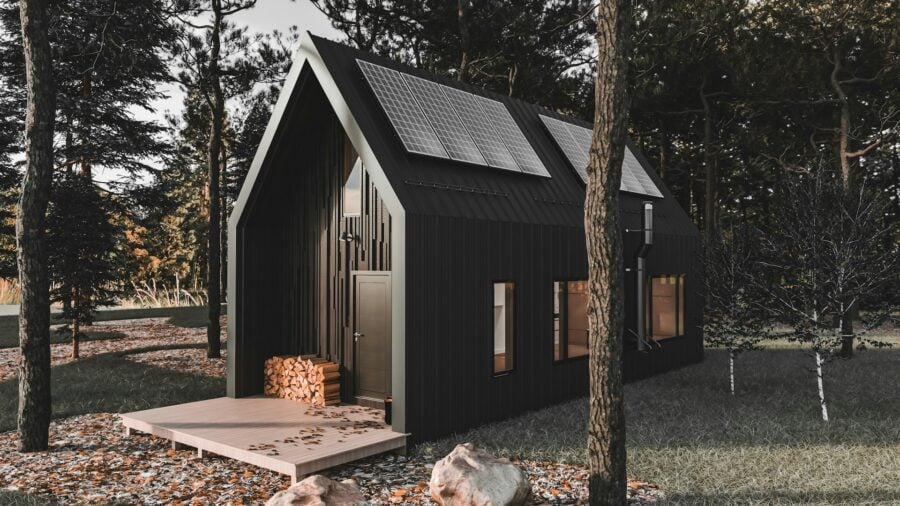

Living in a compact home doesn’t mean compromising on style or functionality. With thoughtful furniture selection and smart design strategies, small spaces can be transformed into comfortable, efficient, and beautiful living environments. The key lies in choosing pieces that maximize every square foot while reflecting your personal style.
Understanding Your Space
Before diving into furniture shopping, take time to assess your space thoroughly. Measure each room carefully, noting ceiling height, natural light sources, and traffic flow patterns. According to the National Association of Home Builders, the average American home size has been trending smaller in recent years, making space optimization more crucial than ever.
Create a floor plan using free tools like SketchUp or graph paper to visualize how different furniture arrangements might work. This preliminary step prevents costly mistakes and helps you make informed decisions about scale and proportion.

Multi-Functional Furniture: Your Best Friend
The cornerstone of small space living is furniture that serves multiple purposes. Storage ottomans that double as seating, expandable dining tables, and sofa beds are excellent investments. The Good Housekeeping Institute consistently rates multi-functional pieces as essential for maximizing small spaces.
Storage Beds: Platform beds with built-in drawers or lift-up mattresses provide valuable storage without requiring additional floor space. Brands like IKEA and West Elm offer stylish options that don’t sacrifice aesthetics for functionality.
Convertible Tables: Dining tables that expand for entertaining but contract for daily use are perfect for studio apartments or small dining areas. Nesting tables provide surface area when needed but tuck away neatly when not in use.
Modular Seating: Sectional sofas with removable components allow you to reconfigure your seating arrangement based on the occasion, while storage cubes can function as both seating and organization solutions.
Choosing the Right Scale
One of the biggest mistakes in small space decorating is choosing furniture that’s too large or too small. The American Society of Interior Designers emphasizes the importance of proportion in creating harmonious spaces.
The Two-Thirds Rule: When selecting a sofa for your living room, choose one that’s approximately two-thirds the length of your wall. This creates visual balance without overwhelming the space.
Vertical Thinking: In rooms with high ceilings, tall bookcases and vertical storage units draw the eye upward, creating the illusion of more space. However, in rooms with standard 8-foot ceilings, keep furniture proportionally lower to avoid a cramped feeling.
Leg Room: Furniture with visible legs creates a sense of openness by allowing light to flow underneath. This visual trick makes rooms appear larger than they actually are.
Color and Material Strategies
Light colors reflect more light and make spaces feel larger, but don’t feel restricted to an all-white palette. Soft pastels, warm grays, and even bold accent colors can work in small spaces when used strategically.
Monochromatic Schemes: Using varying shades of the same color creates depth without visual fragmentation. This approach, recommended by Architectural Digest, helps small rooms feel cohesive and spacious.
Reflective Surfaces: Incorporate mirrors, glass-top tables, and metallic accents to bounce light around the room. These elements add sparkle and visual depth without taking up physical space.
Natural Materials: Wood, rattan, and linen add warmth and texture without overwhelming small spaces. These materials also tend to age beautifully, making them wise long-term investments.
Top Online Retailers for Small Space Furniture
IKEA: Known for affordable, well-designed pieces specifically created for small spaces. Their modular systems allow for customization as your needs change.
West Elm: Offers modern furniture with clean lines that work well in compact homes. Their apartment-sized furniture line is specifically designed for smaller spaces.
CB2: Crate & Barrel’s modern line features sleek, space-efficient pieces perfect for urban living. Their online room planners help visualize pieces in your space.
Article: Specializes in mid-century modern pieces that emphasize clean lines and functionality. Their direct-to-consumer model offers quality pieces at reasonable prices.
World Market: Provides unique, globally-inspired pieces that add character to small spaces without overwhelming them.
Smart Shopping Tips
Read Dimensions Carefully: Online shopping requires extra attention to measurements. Always check width, depth, and height, and compare them to your space measurements.
Check Return Policies: When buying furniture online, ensure you can return pieces that don’t work in your space. Many retailers offer generous return windows for furniture purchases.
Read Reviews: Pay attention to reviews from other small space dwellers. They often provide valuable insights about how pieces work in compact homes.
Consider Delivery Logistics: Ensure furniture can actually fit through your door, up stairs, or into elevators. Many online retailers provide delivery dimension information.
Room-by-Room Strategies
Living Room: Choose a loveseat or apartment-sized sofa instead of a full sectional. Add lightweight chairs that can be moved when needed. Wall-mounted TV stands free up floor space.
Bedroom: Platform beds maximize under-bed storage. Floating nightstands save floor space while providing essential bedside storage. Full-length mirrors make bedrooms feel larger.
Kitchen: Bar-height tables can double as prep space and dining areas. Rolling carts provide extra storage and can be moved as needed. Wall-mounted magnetic strips keep knives accessible without counter clutter.
Home Office: Wall-mounted desks fold down when not in use. Vertical file organizers maximize wall space. Good task lighting eliminates the need for large desk lamps.
Technology Integration
Modern small space living often involves integrating technology seamlessly. According to Consumer Reports, smart home features can help maximize efficiency in compact spaces.
Smart Storage: App-controlled storage systems help track what you have and where it’s stored. This prevents over-purchasing and helps maintain organization.
Wireless Everything: Eliminate cord clutter with wireless charging stations, Bluetooth speakers, and wireless display connections.
Voice Control: Smart speakers can control lighting, temperature, and entertainment without requiring additional remote controls or wall switches.
Budget-Friendly Approaches
Creating a functional small space doesn’t require a massive budget. The Consumer Financial Protection Bureau recommends setting realistic furniture budgets and prioritizing pieces that offer the most functionality.
Invest in Key Pieces: Spend more on items you use daily, like your bed or primary seating. Save money on decorative accessories and seasonal items.
DIY Solutions: Simple modifications can make standard furniture work better in small spaces. Add casters to storage cubes for mobility, or use adhesive hooks for temporary storage solutions.
Second-Hand Shopping: Vintage and used furniture can be refinished to fit your style while saving money. Check local Facebook Marketplace, Craigslist, and estate sales for unique finds.
Common Mistakes to Avoid
Pushing all furniture against walls actually makes rooms feel smaller by creating a bowling alley effect. Instead, float furniture pieces to create intimate conversation areas and improve traffic flow.
Avoid buying complete furniture sets, which can make small spaces feel generic and cramped. Mix and match pieces for a more personalized and spacious feel.
Don’t forget about lighting. Poor lighting makes any space feel smaller and less welcoming. Combine ambient, task, and accent lighting for a well-lit, spacious feeling.
Maintenance and Longevity
Small space furniture works harder than pieces in larger homes, so durability is crucial. The Better Business Bureau recommends researching manufacturers and reading warranty information before purchasing.
Quality Over Quantity: Fewer, well-made pieces will serve you better than many cheap items that need frequent replacement.
Regular Maintenance: In small spaces, every piece is highly visible, so keeping furniture in good condition is essential for overall aesthetic appeal.
Seasonal Rotation: Consider storing seasonal items to keep your space feeling fresh and uncluttered throughout the year.
Future-Proofing Your Choices
As your life changes, your furniture needs may evolve. Choose pieces that can adapt to different configurations or serve different purposes over time. Modular systems, adjustable shelving, and neutral colors ensure your investments remain relevant as your needs change.
Small space living is an art that combines creativity, practicality, and personal style. By choosing furniture thoughtfully and prioritizing functionality without sacrificing aesthetics, compact homes can be every bit as comfortable and stylish as larger spaces. The key is making every piece count while leaving room to breathe and live comfortably in your perfectly curated small space.