
Do You Know What to Do If You’re Hit as a Pedestrian?
It’s a common thought many people have.
What happens if you’re walking and suddenly a vehicle hits you?
Everything feels confusing in that moment, but it’s important to know that as a pedestrian, you have rights. And those rights can help protect your well-being, your recovery, and your peace of mind.
In this article, let’s talk in simple terms about what those rights are, how to use them properly, and how you can feel supported throughout the whole process.
No legal jargon here, just straight talk like you’d hear from a friend over tea.
First Things First: You Have Rights as a Pedestrian
If you’re on foot and a car hits you, you’re not left helpless. Pedestrians are given strong protections under the law.
The rules are there to keep people safe, especially when walking in crosswalks, on sidewalks, or along designated pedestrian paths. When a driver doesn’t follow the rules and causes an accident, the law supports the pedestrian.
What that means in everyday words is you have every right to get medical help, report the accident, and file for compensation if needed. You’re not asking for too much; you’re simply taking care of your health and your life.
What Should You Do After the Accident?
Even if you feel shaken or unsure, a few simple steps can help protect your rights. If you’re ever in this situation or helping someone else, keep these points in mind.
Get Medical Help
Even if you feel okay, it’s still smart to get checked. Sometimes injuries don’t show up right away.
A visit to the doctor gives you peace of mind and also helps create a record that you were hurt during the accident. That record matters later when you want to be taken seriously.
Report the Accident
Call the police or ask someone nearby to help. A police report is a neutral piece of evidence.
It shows when and where the accident happened and who was involved. That little report can help back up your story later on.
Take Photos or Ask for Help
If you can, click a few photos of the area, the car, and any traffic signs nearby.
If you’re unable to do this, a friend or even a passerby might be willing to help. These pictures can show how things looked at the time.
Keep Track of What Happens
Try to keep a note of everything, doctor visits, how you’re feeling, and any costs you’re dealing with.
All this helps you build a full picture of how the accident affected your life.
What Rights Do You Have?
Now, let’s break down the rights you should know about. You don’t need to memorize laws, but it helps to have a clear idea.
Right to Safety
Pedestrians have the right to be safe when walking. Drivers are expected to stop at crosswalks, follow traffic signals, and stay alert. If a driver does something that causes harm, they are responsible.
Right to Medical Care
You have the full right to see a doctor, get treatment, and continue care until you’re better. If you need physiotherapy, follow-ups, or tests, those are all valid and allowed.
Right to File a Claim
You can file a personal injury claim. That means you can ask for help covering your medical bills, time off work, and any impact on your daily routine.
It’s not about blame, it’s about balance. The idea is to help you return to normal life without added stress.
Right to Legal Support
You also have the right to speak with a lawyer. Some people think this step is only for serious legal battles, but it can make things easier.
A lawyer can talk to the insurance company for you, help you understand paperwork, and make sure your side of the story is heard.
What About Insurance?
This part may feel confusing, but here’s a simple take. In many places, the driver’s insurance company may be responsible for your expenses.
If the driver doesn’t have insurance or if there are extra complications, there might be other ways to get support through your own insurance or local programs.
Insurance companies sometimes try to settle things quickly. That’s why it’s okay to take your time and understand what’s fair. You can always ask for a review or talk to someone with experience before signing anything.
Can You Get Compensation?
Yes, and it’s a normal part of the process. You’re not doing anything wrong by asking for help with costs that come from the accident. Compensation can include:
- Medical bills, both now and in the future
- Missed days at work
- Transportation to appointments
- Any pain or stress caused by the event
The key idea here is fairness. If something happened that wasn’t your fault, there’s a way to receive support and get your life back on track.
Should You Talk to a Lawyer?
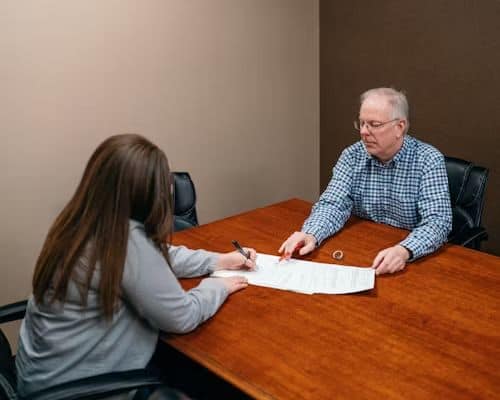
A lot of people aren’t sure about this part, but talking to a lawyer doesn’t mean there’s a fight. It just means someone is helping you understand your rights. A good lawyer will guide you, explain things in clear language, and help take the stress off your plate.
If you’re not sure where to begin, speaking to a local expert like a madison pedestrian accident attorney can be a good start. They understand the local rules and how to handle these types of accidents, and they can give you the advice you need without pressure.
What Makes Your Case Strong?
A few things can help make your case clearer and stronger:
- A police report that matches your story
- Medical records that show your treatment
- Photos from the scene
- Witnesses who saw the accident
- A record of your daily life after the accident
Having even a few of these in place helps show the truth calmly and confidently.
Stay Calm and Take One Step at a Time
It’s easy to feel overwhelmed after any accident, especially when you’re on foot and not expecting it. But when you know your rights, you feel more in control.
Each small step, getting checked, writing things down, and asking for help, makes a big difference. You don’t have to rush. Just take one thing at a time.
There are people and systems in place that want to support you. Your health, comfort, and safety all matter. And most of all, your peace of mind matters too.
Final Thoughts
If you ever face a pedestrian accident, remember that you’re not alone and you’re not powerless. The law gives you support, and there are easy steps you can take to protect yourself. Keep things simple, get help, ask questions, take care of your health, and speak to someone if needed. You’re allowed to feel safe again, and you deserve clear and calm support every step of the way.