
Discovering a dent, scratch, or significant structural damage to your vehicle can be a stressful experience. If it’s something as simple as a fender dent, a hail storm or any type of strange parking lot occurrence, your attention immediately turns to what will happen if you discover you can repair your car, without breaking the bank. Navigating the insurance claims process for body damage may seem daunting, but it is a structured procedure designed to help you recover your losses. By understanding the necessary steps and staying organized, you can ensure your vehicle receives high-quality repairs while minimizing your out-of-pocket expenses.
Initial Documentation and Safety Measures
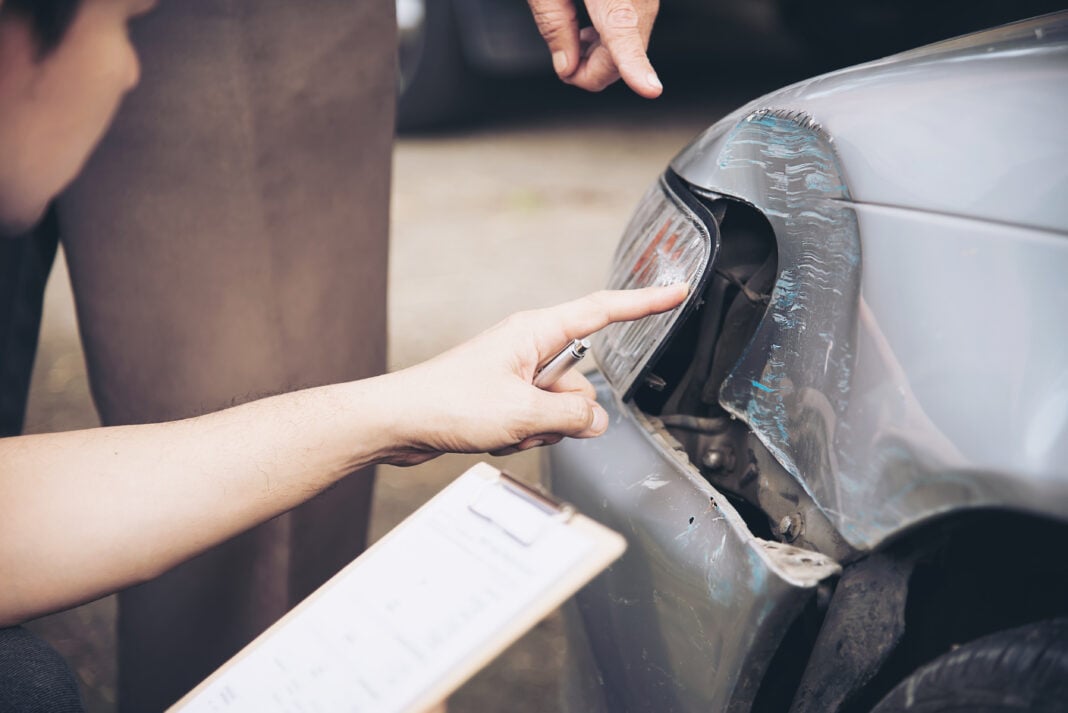
The moments immediately following the discovery of damage are the most critical for a successful claim. Before moving your vehicle or leaving the scene, ensure everyone is safe and contact the authorities if another party is involved. Once safety is established, document everything. Use your smartphone to take clear, high-resolution photos of the damage from multiple angles, including close-ups and wide shots that show the car’s position relative to its surroundings.

In addition to photos, write down the date, time, and location of the incident, as well as the weather conditions. If another driver was involved, exchange insurance information and contact details, but avoid discussing fault at the scene. This raw evidence serves as the foundation for your claim, providing the adjuster with an unfiltered view of the incident. The more detailed your initial documentation is, the less likely you are to encounter disputes later in the process.
Contacting Your Provider and Understanding Coverage
Once you have gathered your evidence, contact your insurance company as soon as possible. Most providers offer mobile apps or 24-hour hotlines to start the process. During this initial call, your agent will help you determine which type of coverage applies to the situation. For instance, collision coverage typically handles accidents with other vehicles, while comprehensive coverage covers non-collision events like falling branches, vandalism, or weather damage.
It is important to clarify your deductible amount at this stage. If the cost of the body work is only slightly higher than your deductible, you might choose to pay for the repairs out of pocket to avoid a potential increase in your premium. However, for significant structural or cosmetic damage, the insurance claim is almost always the most viable financial route. Your provider will assign a claim number, which you should keep handy for all future correspondence.
The Inspection and Repair Estimates
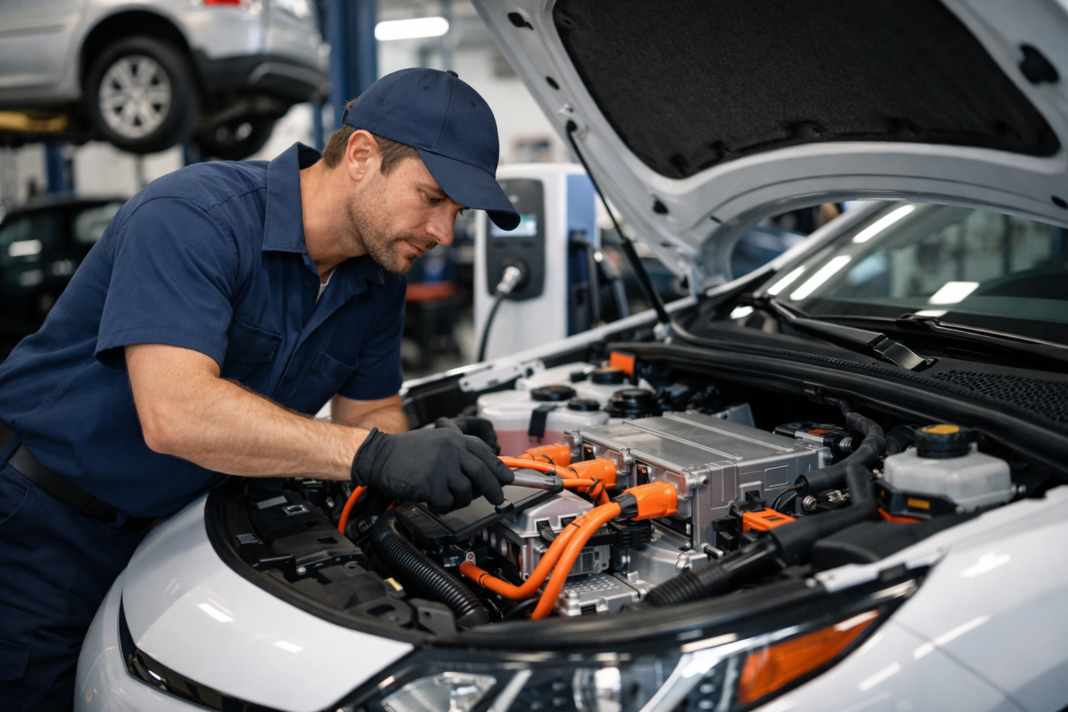
After the claim is filed, the insurance company will need an official estimate of the repair costs. This often involves an insurance adjuster inspecting the vehicle in person, or increasingly, submitting your photos through a digital appraisal tool. The adjuster’s goal is to determine the “fair market value” of the repairs. You also have the right to take your car to a body shop of your choice for an independent estimate.
If your chosen shop’s estimate is higher than the insurance company’s offer, do not panic. This is common, as body shops often find hidden damage once they begin disassembling the vehicle. Most insurance companies will work directly with the repair facility to approve “supplements,” which are additional funds for repairs discovered mid-process. Ensuring that the shop uses high-quality parts and follows manufacturer standards is essential for maintaining your car’s resale value and safety.
Conclusion
Filing an insurance claim for car body damage is a methodical process that rewards those who are thorough and proactive. From the initial photography at the scene to the final inspection of the body work, staying engaged with both your insurer and your repair technician is key. While a damaged vehicle is an inconvenience, the insurance system is built to provide a pathway back to normalcy. By following these steps and keeping open lines of communication, you can turn a frustrating situation into a manageable one, ensuring your car returns to the road looking as good as new.