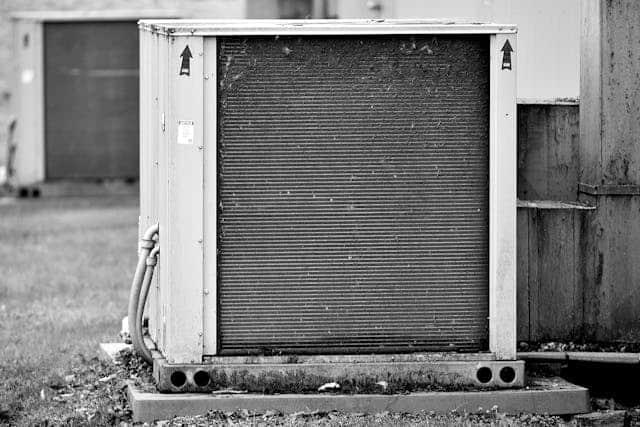

When you’re in the market for a new HVAC system, every detail and specification matters. For example, coils directly impact system performance – they’re responsible for transferring heat between the air and the refrigerant. You might think coils are just a standard part of every system, and while that’s generally true, there are different types of coils. Choosing the wrong type can increase energy usage and reduce overall performance. Before buying a new system, here’s what you need to know about HVAC coils.
How HVAC coils sustain performance
HVAC systems work by removing the heat from warm air, and that’s not possible without coils. But not all coils are equal. How they’re designed will determine how effective your system is at cooling your space.
HVAC coils transfer the heat between the air and the refrigerant. After the unit pulls in warm air, evaporator coils absorb the heat, and condenser coils release that heat outside. When this process is efficient, it reduces runtime and improves the system’s overall cooling capacity.
The right coils keep other components working without stressing the system.
How coil properties affect cooling
Factors like coil geometry, fin spacing, and depth all influence how air moves through a cooling system. If airflow is poor, efficiency is poor. That’s why business owners have moved to microchannel coils. These coils increase the surface area and reduce the amount of refrigerant needed by using multiple flat tubes instead of round tubes. Studies have shown that microchannel coils can reduce thermal resistance by 30-50%, which automatically increases efficiency.
Coil size also matters. Small coils will struggle to transfer enough heat, forcing the system to run longer and potentially overheat. On the other hand, oversized coils can force systems to turn on and off frequently, speeding up mechanical wear.
It’s critical to match your coil size to your space and all the specifics that impact the temperature. For example, you need to consider your insulation, the general climate, and occupancy when selecting HVAC coils. When done right, your system will provide stable comfort while operating efficiently.
Evaporator coils and condenser coils are different
Evaporator coils absorb heat from indoor air while condenser coils release heat outside. With two different types of coils serving separate functions, it’s critical to choose the right type for each application. But both sets of coils need to work together to maintain refrigerant flow and heat balance. Newer refrigerants operate at different pressures and require coils that can handle specific demands. If you don’t know how to choose compatible coils, consult a professional HVAC technician.
Coil materials matter
What coils are made of affects performance and the life of your unit. For example, copper tube coils provide exceptional thermal conductivity, but in certain environments, they can be susceptible to corrosion. Aluminum coils are lighter than copper and don’t pose the same risk of corrosion. They also require less refrigerant.
If you want to extend the life of your system even in extreme environments, you can protect against corrosion and contaminants with coated coils. This is especially important in coastal areas and in climates with high humidity.
HVAC coils impact energy consumption and operating expenses
When your coils are inefficient, your compressors and fans will work harder. This can cause a pressure drop that makes the fan work harder and consume more energy – up to 50% in some systems. That can result in a huge power bill. Your coils should be sufficient when you start with a high-quality HVAC system installed by a professional, but you need to consider this point when making repairs and replacing parts.
Replacing the coils in an existing HVAC unit risks impacting the unit’s energy efficiency ratings. Coils directly contribute to SEER (Seasonal Energy Efficiency Ratio), EER (Energy Efficiency Ratio), and COP (Coefficient of Performance) ratings. The wrong coils can prevent your system from achieving its rated efficiency. In the end, you’ll pay more up front for high-performance coils but you’ll save more long-term.
Coils impact air quality
Low-quality coils can collect dirt that destroys system efficiency. An HVAC system designed to allow easy access to coils makes the entire system easier to maintain. Bad coils will strain the compressor and cause premature wear. When you choose high-quality coils, you extend the life of the whole system.
HVAC coil quality is a priority
HVAC coils directly impact system performance and efficiency. Whether you’re purchasing and installing a new unit or repairing an existing one, start with the right components to maximize efficiency and keep your costs under control.