
Key Takeaways
- Act fast on water damage and restoration in the first hour. Quick source control, safe power shutoff, and early photos can cut drying time and keep water damage house repair costs from climbing.
- Learn the difference between water mitigation vs remediation before crews arrive. Mitigation stops the spread right away, while remediation and repair deal with damaged materials, cleanup, and the work needed after drying.
- Follow a simple water damage restoration checklist for leaks, burst pipes, storms, or a flooded basement. The right first steps help protect people, save contents, and give your insurer a cleaner record of what happened.
- Ask smart questions before hiring a water damage restoration company. A solid water damage restoration service should explain moisture mapping, pump and extraction work, drying targets, and what happens on day one.
- Check the price drivers behind any water damage repair cost calculator or estimate. Water category, square footage, soaked materials, and time since the loss all change the final bill.
- Document everything before water damage cleanup near me crews remove wet items. Good photos, videos, and notes make insurance claims easier and help show where cleanup ends and repair begins.
Water can add thousands to a repair bill in less than an hour. That’s not scare talk; it’s what happens when a burst supply line keeps feeding drywall, subfloor, baseboards, and insulation while nobody shuts it down. In New York apartments, brownstones, and attached homes, water damage and restoration often turn ugly fast—water slips behind walls, runs under flooring, and drops into the unit below before the owner even sees the full spread. Then the clock really starts.
Here’s what most people miss: the first hour isn’t just about cleanup. It decides whether the job stays in the lane of water removal and drying or tips into tear-out, mold trouble, and much higher water damage house repair costs. Older plumbing lines, finished basements, and multi-unit buildings raise the stakes even more (and the Northeast has plenty of all three). A seasoned project manager will say the same thing every time—slow action costs money, but rushed bad decisions cost money too. So what should a homeowner do first when the floor is wet, the ceiling is staining, or a basement is flooded? The honest answer starts with control. Fast control. Then proof, then drying, then repair.
Water damage and restoration in the first 60 minutes: why the first hour changes the repair bill
At 2 a.m., a Brooklyn homeowner hears running water, steps into the hall, and finds a broken supply line soaking the wood floor while water slips under baseboards and into the apartment below. In that first hour, water damage and restoration stops being a cleanup issue and starts becoming a repair bill issue.
How fast water moves through drywall, flooring, trim, and insulation
Fast. Water can spread several feet from the source in minutes—through drywall seams, under vinyl plank flooring, behind trim, and into insulation that holds moisture like a sponge (and stays wet longer than people think). Once that happens, a pump and towels won’t touch the hidden areas.
- Drywall: can wick water upward 1 to 2 feet
- Trim and flooring: trap moisture at the edges
- Insulation: often has to come out if it’s saturated
What turns a small leak into mold, demolition, and bigger water damage house repair costs
Delay does it. A pinhole plumbing leak or small flood often looks minor on the surface, but after 24 to 48 hours, mold risk climbs—and the job can shift from drying and mitigation to removal, demolition, and more expensive repair. That’s where water damage house repair costs jump hard. Not slowly. Hard.
Why New York City basements, older plumbing lines, and multi-unit buildings raise the stakes
NYC homes — buildings have problems that make water travel farther—older plumbing lines, shared walls, dense framing, finished basements, and units stacked on top of each other. In practice, one leak in Queens or Jersey can affect three apartments, a basement ceiling, and an electrical chase before the owner even shuts the valve. Dual Restoration often sees the same pattern: the first 60 minutes decide whether crews are drying materials or tearing them out.
What water damage restoration means and where cleanup ends and repair begins
Water damage — restoration isn’t one job. It’s a chain of jobs—stop the water, remove it, dry the structure, clean what got hit, and repair what can’t be saved. That split matters in a New York house or basement flood, because the crew drying wet studs isn’t always the same crew replacing drywall, trim, or flooring after the moisture is gone.
Water damage and restoration explained in plain language
In plain language, cleanup means getting the property safe and dry. Repair means putting it back together. A good water damage restoration companies search should lead homeowners to teams that handle both phases—or at least explain where one stops and the next starts.
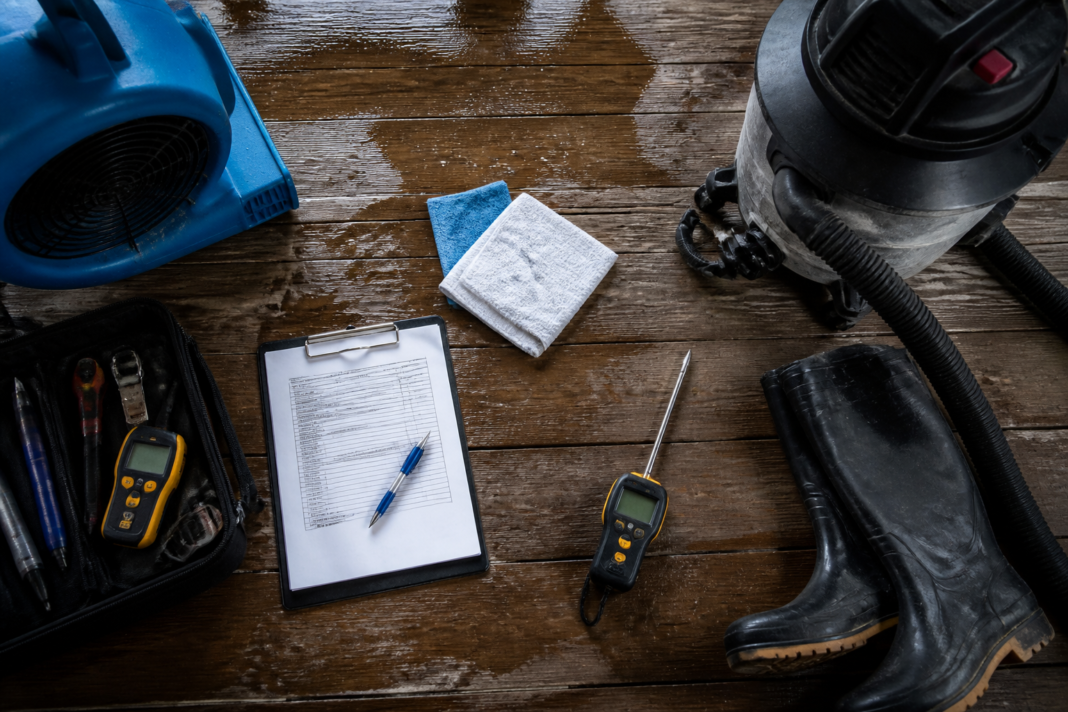
- Cleanup: extraction, pump-out, drying, dehumidifying, debris removal
- Repair: drywall replacement, flooring repair, paint, trim, cabinet work
Water mitigation vs remediation: the difference homeowners need to know
Mitigation comes first. Remediation comes after. Mitigation means limiting spread—shutting water, pulling soaked carpet, setting air movers, checking hidden moisture behind baseboards. Remediation deals with what the water left behind—mold risk, contamination, odors, and damaged materials that need removal (especially after a flood or plumbing backup).
What a water damage restoration service usually handles after extraction and drying
After the obvious water is gone, a water damage restoration service usually handles:
- Moisture mapping and repeat readings
- Sanitizing affected rooms
- Mold checks if materials stayed wet 24 to 48 hours
- Drywall, flooring, and insulation removal where needed
- Repair planning and insurance documentation
That’s where cleanup ends.
And where real restoration starts.
What homeowners should do immediately after water damage to protect people, property, and insurance claims
What should a homeowner do in the first minutes after water starts spreading? In practice, the order matters. Fast action limits moisture, mold risk, repair bills, — claim fights later. For anyone dealing with water damage and restoration, the first hour is about safety, containment, and proof.
Shut off the water source if a pipe, appliance line, or plumbing fixture is still leaking
Start there. If a pipe burst under a sink, behind a washer, or near a water heater, shut the nearest supply valve first—if that fails, shut the main. A small plumbing leak can dump gallons in minutes, and that turns a simple cleanup into a flooded basement or damaged walls.
Cut power to affected areas if it’s safe and avoid standing water near outlets or cords
Electricity and water are a bad mix. If outlets, extension cords, or appliances sit near standing water, turn off power to that area at the breaker only if the path is dry (if not, wait for emergency help). This is where trained crews and water damage restoration services earn their keep.
Move rugs, paper goods, electronics, and soft furniture before moisture spreads
But here’s the thing—porous items soak fast. Move:
- Rugs and paper goods
- Phones, laptops, and chargers
- Soft chairs, cushions, and bedding
Even 30 to 60 minutes matters.
Wet fabric, cardboard, and wood hold water—then odors, staining, and mold follow.
Start a photo and video record for the insurer before cleanup crews remove materials
Proof first. Take wide shots, then close-ups of floors, baseboards, furniture, and the source of the leak (appliance line, pipe, roof entry, whatever caused it). A calm photo record helps insurers, supports the water damage restoration process, and gives the restoration company a cleaner plan.
Water damage restoration checklist for the first hour after a burst pipe, leak, storm, or flood
About 1 inch of water can damage drywall, baseboards, and flooring in under 60 minutes—and that first hour often decides repair cost, mold risk, and how hard the cleanup gets. For homeowners dealing with water damage and restoration, speed matters more than guesswork.
A 15-minute checklist for active water inside the house
- Shut off the water at the nearest valve or main line.
- Cut power to wet areas if it can be done safely (skip it if standing water is near the panel).
- Move rugs, phones, and small furniture out fast—yes, even that wet iPhone.
- Photograph damage before throwing anything out.
- Start water removal with towels, a wet vac, or a pump if available.
A fast call for flood damage restoration helps stop hidden moisture from spreading behind walls.
A 30-minute checklist for a flooded basement with sump pump or drain trouble
- Check if the sump pump lost power, jammed, or tripped a breaker.
- Keep people out if the flood may involve sewage or storm runoff.
- Lift boxes and soft contents off the basement floor.
- Open air flow where possible—but don’t run HVAC if ducts got wet.
Basement water from drain trouble turns into remediation work fast—and insurance may ask for a clear timeline.
A 60-minute checklist before a water damage restoration company arrives
- Make a room-by-room damage list.
- Save receipts for emergency cleanup supplies.
- Separate soaked items from dry ones.
- Mark where water reached on walls.
- Keep one path clear for the restoration crew.
In practice, the best water damage restoration process starts with safe mitigation first—then drying, removal, and repair.
The water damage restoration process: what a water damage restoration company should do on day one
Most homeowners think day one starts with fans. It doesn’t. Good water damage and restoration work starts with finding where the water came from, how far it traveled, and what category of water hit the house—clean, gray, or sewage.
Inspection, moisture mapping, and source control
A serious crew begins with room-by-room inspection, meter readings, and moisture mapping behind baseboards, under flooring, and inside wall cavities. For fast-response help, homeowners usually look for 24/7 water damage restoration after a burst pipe, roof leak, or flooded basement. Source control comes first—shut the plumbing line, cap the leak, or isolate the affected area.
Water extraction, pump work, and contaminated water cleanup
Standing water has to go fast. In practice, a truck-mounted extractor or submersible pump should remove bulk water first, and contaminated flood or sewer cleanup needs separate handling, PPE, and disposal rules (this gets missed more than people think).
- Clean water: pipe breaks, supply lines
- Gray water: appliance discharge
- Black water: sewage or storm surge
Structural drying, dehumidification, and mold prevention
After extraction, drying starts—air movers, dehumidifiers, and daily moisture checks. Here’s what most people miss: surfaces can feel dry while framing still holds moisture, and that hidden dampness feeds mold in 24 to 72 hours.
Tear-out, sanitation, and the handoff to repair or rebuild work
Not every wet material can stay. Swollen drywall, trapped insulation, and contaminated carpet pad often need tear-out, then sanitation, odor removal, and a clean handoff to repair crews. A Dual Restoration project manager would expect photos, readings, and a written day-one plan before rebuild talk starts.
Water damage repair cost calculator questions homeowners should ask before approving work
At 6:30 a.m., a Brooklyn owner finds a burst supply line soaked the wood floor, wicked into baseboards, and sent water into the apartment below. Before signing anything, the smart move is to slow down and ask what the estimate actually covers—extraction, drying, cleanup, mold checks, and repair. For readers tracking standards, one recent note on water damage and restoration training shows why crew skill affects both scope and cost.
What changes water damage repair cost: water category, square footage, materials, and time elapsed
Price shifts fast. Clean plumbing water costs less than a sewer backup or storm flood, and 200 wet square feet is a very different job from 1,200. Time matters too—after 24 to 48 hours, moisture spreads, drywall softens, and mold risk jumps.
- Water category: clean, gray, or black water
- Materials hit: drywall, hardwood, insulation, cabinets
- Elapsed time: same day work usually costs less
- Equipment: air movers, dehumidifiers, pump use
Typical price drivers for water damage cleanup near me in houses, basements, and apartments
Basements often cost more because soaked contents, limited airflow, and longer drying times stack up fast. In apartments, access rules, neighbor damage, and management paperwork can add labor—annoying, but real. A fair estimate should separate mitigation from rebuild, because cleanup and repair aren’t the same thing.
What insurance may cover for sudden water damage and what often gets denied
Sudden pipe breaks are often covered.
Slow leaks, neglected maintenance, and repeated moisture issues usually aren’t. Homeowners should ask:
- Is this estimate for emergency mitigation only?
- What hidden moisture testing is included?
- What gets removed now, and what gets repaired later?
- Has the company documented affected rooms, materials, and drying goals?
In practice, Dual Restoration and other local teams see the same mistake again and again—owners approve vague work orders, then fight over cost later.
How to choose among water damage and restoration companies without getting burned
Bad hiring calls make water damage worse.
In practice, the right crew shows up ready for emergency residential work—not just cleanup, but drying, moisture tracking, and a clear plan that holds up after a flood, sewer backup, or hidden plumbing leak. A firm that offers water mitigation services should explain what happens in the first 24 to 72 hours, not just promise fast help.
Signs a water damage restoration company is ready for emergency residential work
- 24/7 dispatch with arrival windows under 60 to 90 minutes
- Moisture meters and drying equipment already on the truck
- Written scope covering extraction, removal, drying, and repair
- Residential experience with basement, house, and storm losses
That part matters. A company can sound polished on the phone—then show up without enough air movers or dehumidifiers.
Questions to ask about drying plans, daily moisture checks, and documentation
Ask direct questions. How many daily moisture checks will they log? Will they document wet drywall, flooring, and subfloor readings with photos (not just handwritten notes)? Can they explain water mitigation vs remediation in plain English? If they can’t answer in two minutes, that’s a problem.
Red flags in estimates from water damage and restoration companies after storms, sewer backups, or hidden leaks
Watch the estimate hard.
Red flags include one flat price for everything, no line item for equipment, no mention of mold risk, and no drying target. After dirty water events—especially sewer backups—cheap bids often skip containment and disposal steps. As managers at Dual Restoration often note, the paper trail matters almost as much as the pump-out work.
Frequently Asked Questions
What does water damage restoration mean?
Water damage and restoration means more than drying what looks wet. A proper water damage restoration process starts with stopping the source, removing standing water, checking hidden moisture in walls and floors, drying the structure, cleaning damaged areas, and repairing what can’t be saved. If moisture stays trapped, mold can start fast—sometimes within 24 to 48 hours.
Will insurance pay out for water damage?
Sometimes yes, sometimes no.
Insurance often covers sudden and accidental damage—like a burst pipe or an appliance line that lets go—but it usually pushes back on long-term leaks, neglected plumbing issues, or flood damage unless a separate flood policy is in place. Good photos, moisture readings, and a clear timeline from a water damage restoration company can make a real difference with the claim.
What should I do immediately after water damage?
Stop the water if it’s safe to do that, shut off power to affected areas if needed, and move rugs, papers, and electronics out of the wet zone. Then call a water damage restoration service fast, because the first 24 hours matter most for cleanup, mitigation, and mold prevention. Don’t wait to see if it “dries on its own.” It usually doesn’t.
Is it hard to fix water damage in a house?
Small surface damage can be simple. Hidden moisture inside insulation, subfloors, cabinets, and plaster walls is the hard part—and that’s where a wet house turns into a bigger repair job. In practice, water damage house repair costs climb fast when the drying step gets skipped or delayed.
What’s the difference between water mitigation vs remediation?
Water mitigation is the emergency phase: stop the spread, extract water, set drying equipment, and protect the house from more damage. Remediation deals with what the water left behind, which can include mold removal, damaged material cleanup, odor issues, and sanitation after contaminated water. People mix the terms up all the time, but they aren’t the same job.
How long does the water damage restoration process take?
Most residential drying jobs take about 3 to 5 days, — full water damage and restoration can run longer if drywall, flooring, trim, or cabinets need repair. Category 3 water, basement flood events, and multi-room losses usually add time—sometimes a week or more before rebuild work even starts. That’s normal (frustrating, but normal).
How much does a water damage restoration service cost?
There’s no honest flat number, and any water damage repair cost calculator is only a rough starting point. Cost depends on how much water got in, how long it sat, what materials got soaked, whether demolition is needed, and if mold or sewage is part of the job. The biggest price jump usually comes after hidden moisture is found behind walls or under floors.
Can I stay in my home during water damage cleanup?
Sometimes. If the affected area is small and the air is safe, homeowners can often stay put while a water damage restoration company handles drying and cleanup—but sewage, gray water, heavy mold, or damage to multiple rooms changes that fast. Loud equipment, torn-out materials, and high indoor humidity can make the space pretty miserable anyway.
How do I choose between water damage and restoration companies?
Skip the flashy promises and ask direct questions: How fast can they arrive? Do they document moisture in walls and floors? Will they handle both mitigation and repair, or does the job get handed off halfway through? A team with IICRC-certified staff and real insurance-claim documentation habits—Dual Restoration is one local example—usually gives homeowners a cleaner process and fewer surprises.
Does water damage always lead to mold?
No, but the risk gets real fast if materials stay wet. Mold needs moisture, a food source like drywall or wood, and a little time—that’s why quick extraction, drying, and follow-up checks matter so much in water damage and restoration work. If a room still smells musty after cleanup, something was missed.
The first hour after a leak, burst pipe, storm entry, or basement flood sets the tone for everything that follows. Fast action does more than pull water off the floor—it limits what soaks into drywall, trim, insulation, and subfloor, and that can mean the difference between drying a room and tearing half of it out. For New York City homeowners, the risk climbs even faster in older buildings, garden-level spaces, and stacked apartments where water doesn’t stay put—it travels.
That’s why the smart move is simple: stop the source if it’s safe, cut power to wet areas if there’s any electrical risk, protect belongings that can still be saved, and document the damage before materials get moved (those photos matter later). Then, ask hard questions about drying plans, moisture checks, and what the estimate actually includes. Cleanup isn’t the whole job. Real water damage and restoration work means drying the structure, tracking hidden moisture, and setting up the repair phase correctly from day one.
If water is active right now, the next step is clear: start the 15-minute checklist, take photos and video room by room, and get a qualified restoration crew on-site before hidden moisture turns today’s emergency into next month’s mold problem.
For more, check out Sean Inggs on the Cybersecurity Risk Fund Boards Keep Outsourcing by Accident.