
Most of us don’t think much about our faucets or showerheads until the monthly water bill arrives or a leak starts keeping us up at night. However, as utility costs continue to climb in 2026 and conservation becomes a necessity rather than a suggestion, the hardware in your bathroom and kitchen has never been more important. Swapping out old, “water-hogging” fixtures for modern low-flow alternatives is one of the simplest ways to reduce your environmental footprint while keeping more money in your pocket.
The challenge, however, is that not all low-flow gear is created equal. We’ve all stayed in a hotel with a low-pressure showerhead that felt more like a leaky watering can than a refreshing rinse. To avoid that frustration, you need to know what to look for before you start unboxing new hardware. If the technical side of pipe threading and water pressure feels overwhelming, consulting a reliable plumber can ensure that your new upgrades actually work with your home’s existing infrastructure rather than against it.
Understanding GPM and the WaterSense Label
The first thing you’ll notice when shopping for fixtures is a “GPM” rating. This stands for Gallons Per Minute. For a long time, the standard showerhead used about 2.5 GPM. Modern low-flow versions typically hover around 1.75 to 1.5 GPM.
While those numbers are helpful, the easiest way to shop is to look for the WaterSense label. This is a program sponsored by the U.S. Environmental Protection Agency (EPA) that certifies products that are at least 20% more efficient than average options without sacrificing performance. When you see that label, you know the manufacturer has met specific criteria for spray force and coverage, so you won’t feel like you’re bathing under a spray bottle.
Choosing the Right Showerhead Technology
Modern engineering has largely solved the “wimpy shower” problem of the early 2000s. There are two main ways manufacturers achieve a satisfying feel with less water:
- Aerating Showerheads: These mix air into the water stream. This creates a “bubbly” sensation and makes the water feel like it has more volume than it actually does. The only downside is that the air can slightly cool the water, so you might find yourself bumping the temperature up a notch.
- Laminar-Flow Showerheads: These don’t mix in air. Instead, they form the water into distinct streams. This is often better for people living in humid climates or those who want a more “solid” feel to the water without the cooling effect of aeration.
Toilets: More Than Just a Flush
If you haven’t replaced your toilet since the 90s, you are likely using between 3.5 and 7 gallons per flush. A modern high-efficiency toilet (HET) uses about 1.28 gallons. Over the course of a year for a family of four, that is a staggering amount of saved water.
When choosing a toilet, look at the “MaP” (Maximum Performance) score. This independent testing scale measures how well a toilet actually clears waste. You want a score of at least 600g to 1,000g to ensure you don’t end up needing a “double flush,” which completely defeats the purpose of having a low-flow fixture in the first place.
Faucet Aerators: The Budget-Friendly Win
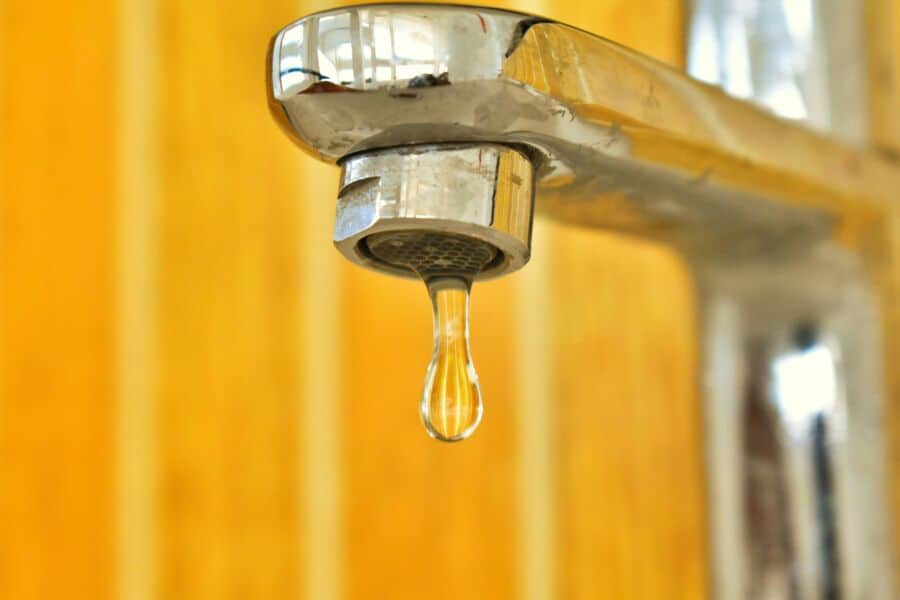
You don’t always have to buy an entirely new faucet to save water. In many cases, you can simply unscrew the small mesh tip at the end of your spout—the aerator—and replace it with a high-efficiency version.
A standard kitchen faucet might flow at 2.2 GPM, but a 1.5 GPM aerator is more than enough for washing dishes or filling a pot. For bathroom sinks where you’re mostly just brushing your teeth or washing hands, you can go as low as 0.5 GPM. It is a five-minute DIY fix that costs less than a fancy cup of coffee but pays for itself within a single billing cycle.
Potential Pitfalls: Water Pressure and Pipe Health
Before you go out and buy the most restrictive fixtures on the market, you need to consider the age of your home. If you live in an older house with galvanized steel pipes, you might already have narrowed passages due to mineral buildup. Adding a low-flow fixture to a house that already has low “natural” pressure can result in a dismal experience.
Furthermore, some high-efficiency toilets can struggle in older plumbing systems where the pipes don’t have enough slope to move solid waste with less water. This is why many homeowners prefer to have a professional assessment before committing to a full-house overhaul. Organizations like the International Association of Plumbing and Mechanical Officials (IAPMO) provide detailed codes and standards that professionals use to ensure that your “green” upgrades don’t lead to expensive clogs down the line.

Balancing Style with Function
The good news is that “efficiency” no longer looks clinical. Whether you prefer a matte black industrial look or a classic brushed nickel, you can find low-flow options in almost every aesthetic. The key is to prioritize the internal cartridge and the certification labels over the outward appearance. A beautiful faucet that leaks internally or has a cheap plastic valve won’t save you any money in the long run.
Investing in these fixtures is a rare “win-win” scenario. You reduce your impact on local water supplies—which is increasingly vital in regions facing drought—and you lower your monthly overhead. By taking the time to research GPM ratings, look for the WaterSense label, and ensure your home’s pipes are ready for the change, you can enjoy a high-end experience without the high-end waste.