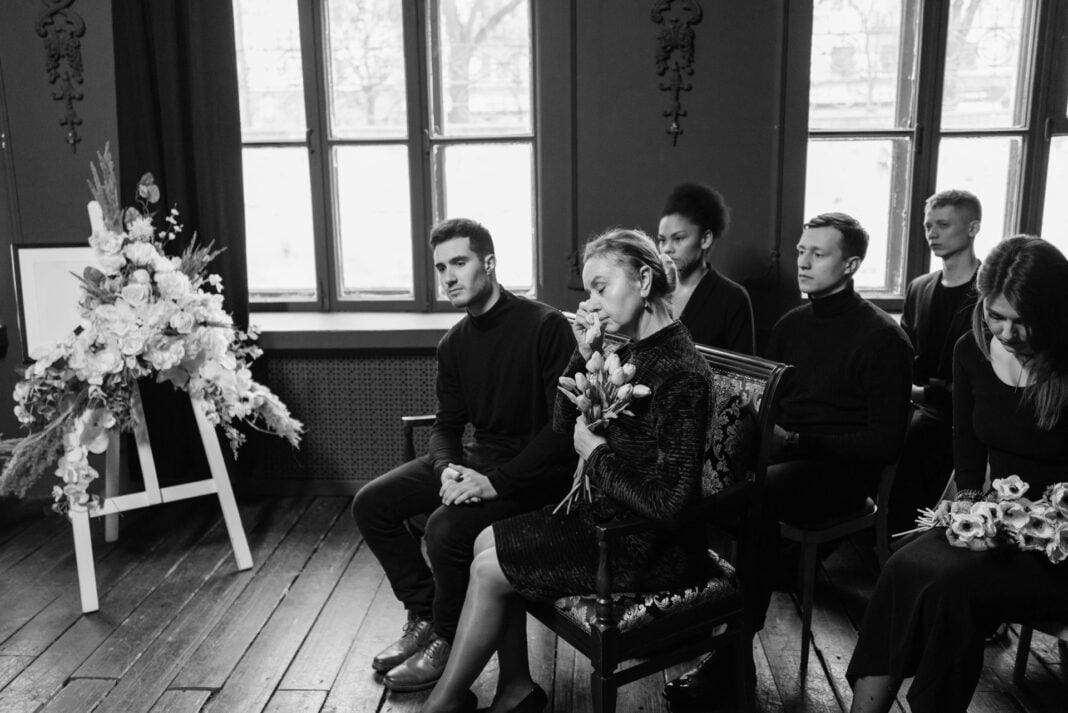

Grief has shed its uniform. The dark suits, the rented hall, the script read from a pulpit by someone who never met the person in the box — all of that still exists, but it no longer sets the terms. Families are writing their own ceremonies, choosing their own objects, and keeping the dead closer, in more literal ways, than any generation before them. The result is a slower, more personal arc of mourning that unfolds over months and years rather than a single afternoon.
The keepsakes that carry this new mourning look different too. Smaller, more varied, more private. To understand what has changed, it helps to walk through the arc of a loss as families now tend to experience it.
Planning Starts Long Before the Loss
Pre-planning used to mean picking a casket and a plot. Now it looks more like a conversation about music, readings, the color of the flowers, who should speak, and what should happen to the ashes. People are telling their families what they want in specific terms, often in writing, and that detail changes what the family has to decide in the initial days.
A broad shift in consumer research backs this up. A recent industry study found families moving decisively toward experience-driven memorials, with gatherings held in banquet halls, outdoor settings, and private homes rather than funeral chapels. Nearly half of consumers said they would be open to a certified celebrant leading the service instead of clergy. The through-line is authorship: people want the farewell to sound like the person it is for.
The Service Itself Looks Very Different
The traditional funeral has given ground to something closer to a gathering. Families often skip the viewing, hold the service weeks after the death to let distant relatives travel, and build the event around photographs, favorite food, and spoken memories instead of a liturgy. Cremation has made this flexibility possible. Without a body on a schedule, there is time to plan something that fits the person.
Keepsakes play a different role in this kind of service. A single urn at the front of the room has given way to a table of objects: a thumbprint pendant handed to a spouse, a small share of ashes for each adult child, a photo-engraved piece for a parent who will keep it on a nightstand.
“Families are increasingly looking for memorials that feel personal to the individual rather than simply serving a ceremonial purpose,” explains Susan Fraser of In The Light Urns. That shift helps explain why keepsakes are becoming part of the gathering itself, sometimes handed to family members during the service as a kind of transfer of care.
The Weeks After Are Where Objects Do Their Work
Once the service ends and the casseroles stop arriving, grief becomes a private shift that nobody else is tracking. This is where a physical reminder earns its place. The market has expanded well beyond the single ceramic vessel, offering smaller keepsake urns, cremation jewelry, and personalized pieces designed to be lived with rather than displayed from a distance.
Families often want more than one object: a main urn for the home, smaller shares for siblings, a pendant for a grandchild. The objects that tend to help most in these weeks share a few qualities:
-
Something to hold. A small keepsake that fits in a palm or a pocket gives a mourner something to do with their hands when the loss catches up with them.
-
Something to wear. Pendants, rings, and bracelets that hold a small portion of ashes travel through ordinary days without announcing themselves.
-
Something to share. Dividing ashes among family members used to feel transgressive. Now it is one of the more common requests, and keepsake-sized urns are built for exactly that.
-
Something that looks like the person. A fisherman’s urn carved with a trout, a motorcycle-themed piece, a hand-thrown vessel in a favorite glaze. The point is recognition, not neutrality.
Grief Settles Into a Longer Conversation
Modern grief research has moved away from the idea that mourning is a staircase you climb and finish. The dominant framework now, often called continuing bonds, treats the ongoing relationship with the person who died as a healthy and expected feature of bereavement rather than a problem to be resolved. Clinicians writing for the British Psychological Society describe how objects, rituals, and the felt presence of the deceased help the bereaved keep a connection intact while they build a life around the loss.
That reframing has reshaped the keepsake market. If a mourner is expected to maintain a relationship with the person they lost, the objects of that relationship stop being macabre and start being ordinary: a pendant to touch during a hard meeting, an urn moved from the mantel to the bedroom when a season changes, a small vessel passed to a child when they turn eighteen. The item is less a monument than a prop in an ongoing conversation.
Mourning is becoming a longer, quieter, more personal practice. The objects that come out of it are following suit. Smaller, more varied, more wearable, more clearly made for the people left behind rather than for the ceremony itself.