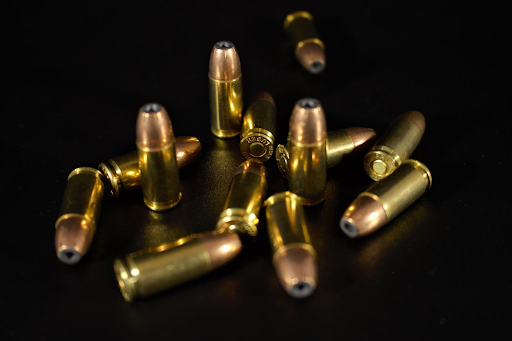

For decades, lead has been the standard material in shooting and hunting. However, times are changing fast, and new environmental rules and health concerns are pushing a shift toward alternatives. Many shooters worry that lead-free ammunition sacrifices accuracy and power, especially for ethical hunting. The truth is that fear is misplaced.
Modern non-toxic projectiles have come a long way, as the eco-friendly ammunition experts at Sim X Tactical Solutions point out. Today’s copper bullets often match or outperform traditional lead in real-world terminal performance. In this article, we’ll address the common misconceptions about lead-free and green ammunition and share practical, evidence-based insights on performance, cost and everyday usability.
Does lead-free ammunition cause more wear and tear on rifle barrels than lead?
Some people think that because copper is harder than lead, it should wear out barrels faster. But that’s not the case. Modern monolithic copper bullets are engineered with pressure and friction in mind.
Manufacturers cut grooves into the bullet to reduce barrel contact. That lowers friction and keeps pressures within safe limits. In many cases, these designs actually reduce barrel fouling compared to older jacketed lead bullets.
Barrel wear is influenced more by velocity, heat and cleaning habits than by bullet material alone. At very high velocities, you’ll see wear over time, which is true with any ammunition. For the average hunter or shooter, switching to copper won’t suddenly shorten barrel life.
Is copper ammunition less effective at long ranges due to density differences?
Copper is less dense than lead. That means a copper bullet of the same weight is longer.
Some assume that this makes it less stable or less effective at a distance. In reality, the added length often improves ballistic efficiency. Many copper bullets have high ballistic coefficients, which help them retain velocity and resist wind drift. The result is solid ballistic performance, even at extended ranges.
Where you do need to pay attention is the twist rate. Because copper bullets are longer, they may require a faster twist barrel to stabilize properly. Most modern rifles already meet this requirement, but it’s worth checking.
At long range, shot placement matters more than material. A well-placed copper bullet performs just as reliably as a lead-core one. Sometimes better, thanks to consistent shape and weight retention.
Do green bullets provide sufficient expansion for ethical big-game hunting?
Yes. Ethical kills depend on proper terminal expansion. Early copper bullets had a reputation for being too tough. They sometimes passed through the game without expanding fully.
Today’s designs use engineered hollow points or polymer tips to initiate expansion at a wide range of velocities. Even at lower impact speeds, modern copper bullets open up reliably.
The difference is how they behave after expansion. Lead-core bullets fragment, creating multiple wound channels but lose mass. Copper bullets expand into petals and hold together. That deep penetration is a major advantage for large game.
For green hunting, this means cleaner kills and less risk of lead contamination in meat. Just match the bullet design to your expected range and target size, the same way you would with any ammunition.
Is the price gap between lead and lead-free ammunition still a major barrier?
Lead-free ammunition used to carry a noticeable premium, but that has changed. Increased demand and improved manufacturing have narrowed the gap considerably. In many common calibers, the difference is now modest.
For hunters, the overall cost impact is small. Most people fire only a limited number of rounds per season, so the price difference per shot adds up to very little in practice.
High-volume shooters may still notice a cost difference, but even there, more affordable non-lead options are becoming available.
How does the weight retention of monolithic bullets compare to traditional lead-core bullets?
Monolithic copper bullets retain significantly more weight than traditional lead-core bullets. Lead-core bullets often lose a large portion of their mass on impact due to fragmentation. While this can create multiple wound channels, it also reduces penetration depth.
In contrast, monolithic bullets typically retain over 90 percent of their original weight. They expand but stay intact, which allows them to penetrate deeper and maintain a predictable path through the target.
This high weight retention improves consistency and makes copper bullets especially effective for larger or tougher game. It also reduces the presence of small metal fragments in meat, a key benefit of going green.
Final words
Switching to green ammunition doesn’t mean losing effectiveness. Most concerns come from outdated designs. According to the eco-friendly ammunition experts at Sim X Tactical Solutions, today’s non-toxic rounds deliver reliable accuracy, strong terminal performance and practical value for modern hunters and shooters.